Coaching for Employee Career Growth
Understanding Career Coaching
What Is Career Coaching?
Career coaching is a partnership between a professional coach and an individual (the client) focused on navigating the client's career journey. It’s a process of discovery, goal setting, and strategic action. Think of a career coach not as a dispenser of advice, but as a guide who helps you find your own answers.
career coach
noun
A professional who helps individuals assess their career options, develop professional goals, and create a plan to achieve them.
The purpose is to help people gain clarity about what they want from their professional lives and how to get there. This often involves aligning personal values with career choices, identifying and overcoming obstacles, and developing the skills needed for growth. It’s about building a career that is not just successful, but also fulfilling.
Coaching unlocks a person's potential to maximize their own performance. It is helping them to learn rather than teaching them.
A Win-Win for Everyone
For an employee, working with a career coach is like having a personal trainer for their professional life. It provides a dedicated space to focus on personal growth. Individuals often gain greater self-awareness, learning to articulate their strengths and ambitions with confidence. This clarity helps in making better career decisions, whether that means climbing the ladder in their current company or finding a new path altogether.
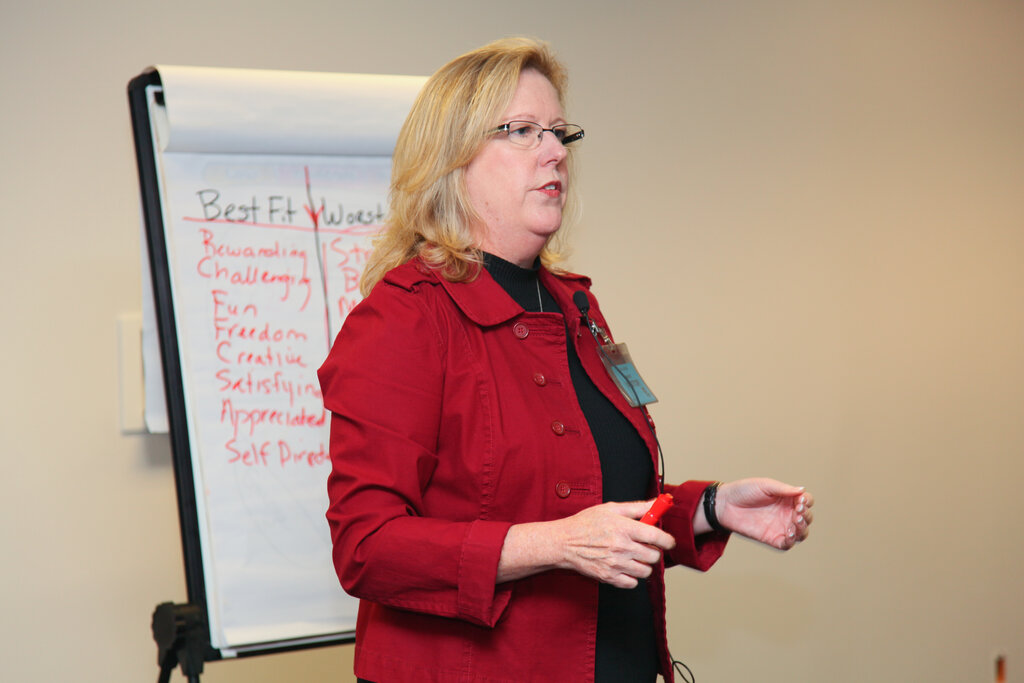
Organizations also see significant returns when they invest in coaching for their employees. It's a powerful tool for developing talent from within. When employees feel supported in their growth, they are more engaged, more productive, and more likely to stay with the company. This leads to higher retention rates and a stronger internal leadership pipeline. A culture of coaching shows that a company is invested in its people, which helps attract and keep top talent.
| For the Employee | For the Organization |
|---|---|
| Increased job satisfaction & clarity | Higher employee engagement & morale |
| Enhanced skills & confidence | Improved employee retention |
| Clearer path for advancement | Stronger leadership pipeline |
| Better work-life alignment | Increased productivity & performance |
The Ground Rules of Good Coaching
Effective career coaching is built on a few key principles. First and foremost is trust. The relationship between a coach and a client must be a confidential and safe space where the client feels comfortable being open and honest without fear of judgment. This psychological safety is the foundation for meaningful progress.
Another core principle is that the client is the expert. A coach doesn't have all the answers. Instead, they ask powerful, thought-provoking questions to help the client uncover their own insights and solutions. This approach empowers the individual, building their ability to solve problems and make decisions independently in the future. The goal is to build self-reliance, not dependence on the coach.
Finally, coaching is action-oriented and forward-looking. While it's sometimes helpful to understand past experiences, the primary focus is on the future: defining what the client wants and creating concrete, actionable steps to get there. Each session typically ends with the client committing to specific actions, ensuring that the process creates momentum and leads to tangible results.
What is the primary role of a career coach in their partnership with a client?
According to the principles of effective coaching, who is considered the expert on the client's career goals and aspirations?