Co-Parenting Through Separation
Understanding Separation Impact
The Family Grieving Process
Separation isn't just the end of a partnership; it's the end of a family structure as you and your children have known it. It's natural for everyone involved to go through a grieving process. This isn't a neat, linear journey, but a messy wave of emotions that can include shock, denial, anger, and sadness.
For adults, this grief is often tied to the loss of a shared future, the identity of being a partner, and the life you'd built together. For children, the loss is more fundamental. They are losing the daily presence of a parent and the comfort of their established family unit. Acknowledging that this is a form of grief for the entire family is the first step toward navigating it.
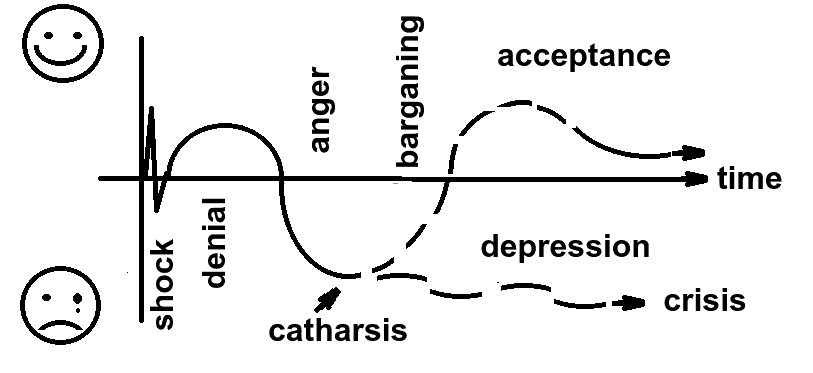
Understanding these stages helps you anticipate your own feelings and recognize them in your children. It's okay to be angry or sad. Allowing yourself to feel these emotions, without letting them consume you, is key to moving toward acceptance and building a new future.
How Children React
Children process major life changes differently than adults, often expressing their distress through behavior rather than words. The way they react depends heavily on their age, personality, and the circumstances of the separation.
You might notice some common changes. Young children may show signs of regression, like returning to thumb-sucking or having potty-training accidents. They can become more clingy, anxious about being left alone, or experience sleep disturbances. Sadness and withdrawal are also common, as are outbursts of anger that seem to come out of nowhere.
Older children might express their feelings more directly, blaming one parent or acting out in school. Their academic performance may dip, or they might withdraw from friends and activities they once enjoyed. These are all normal reactions to an upended world.
A child's difficult behavior is often a signal of their underlying distress. They are communicating their fear, sadness, or confusion in the only way they know how.
Your role isn't to stop them from feeling these emotions, but to provide a safe space for them to be expressed. The goal is to acknowledge their feelings, offer reassurance of your love, and maintain as much stability and routine as possible.
Managing Your Own Emotions
It's nearly impossible to support your child's emotional needs if you're overwhelmed by your own. Parental self-awareness is critical during a separation. Your children look to you for cues on how to feel and react. If you are consistently anxious, angry, or distressed, they will absorb that instability.
This doesn't mean you have to be perfect. It means finding healthy ways to manage your own grief and stress. This could involve talking to a therapist, leaning on friends and family for support, exercising, or dedicating time to hobbies that help you recharge. Taking care of yourself is not selfish; it's a prerequisite for being the calm, stable parent your child needs.

Emotional regulation is the ability to manage your emotional responses. When you can model this for your children, you teach them a powerful life skill. By staying calm during a child's outburst, you show them that strong feelings are manageable. This process of soothing your child with your own calm presence is called co-regulation.
Helping children regulate emotions by supporting them through the feelings (co-regulation) and teaching skills to self-regulate
By recognizing your emotional triggers and learning to respond thoughtfully rather than reacting impulsively, you create a more peaceful environment for your children to heal.
Let's check your understanding of these emotional dynamics.
Why is it important to view separation as a form of grief for the entire family?
A recently separated parent notices their young, potty-trained child has started having accidents and become very clingy. This behavior is most likely a sign of:
By understanding the emotional journey of separation for both yourself and your children, you can navigate this transition with greater empathy and build a foundation for a healthy co-parenting relationship.