CMYK Color Separation Explained
Introduction to CMYK
Color for the Printed Page
If you've ever looked closely at a magazine or a printed photo, you've seen the CMYK color model in action. Unlike the screens we use every day, which create color by adding light, printers work by subtracting it. This process is called subtractive color mixing.
Think of it like this: A white piece of paper reflects all colors of light. When a printer adds ink, that ink acts like a filter, absorbing (or subtracting) some of that light. The colors we see are the ones that are left over.
The inks used in this process are cyan, magenta, and yellow. Together with black, they form the CMYK model.
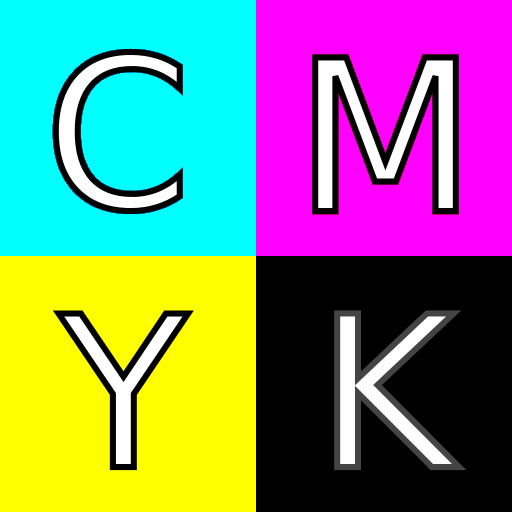
CMYK
noun
A subtractive color model used in color printing. CMYK refers to the four ink plates used: cyan, magenta, yellow, and key (black).
Mixing Inks
In a perfect world, mixing equal parts of cyan, magenta, and yellow would create a deep black. In reality, it produces a muddy brown. This is because inks aren't perfectly pure. To get crisp, dark shadows and true black tones, a fourth color is needed: black ink.
This is where the "K" in CMYK comes from. It stands for "key," as the black plate was historically the key plate used to align the other colors and add contrast and detail.
If you’re a designer, thinking CMYK (cyan, magenta, yellow and key, or black) is the best option for print then you’re right.
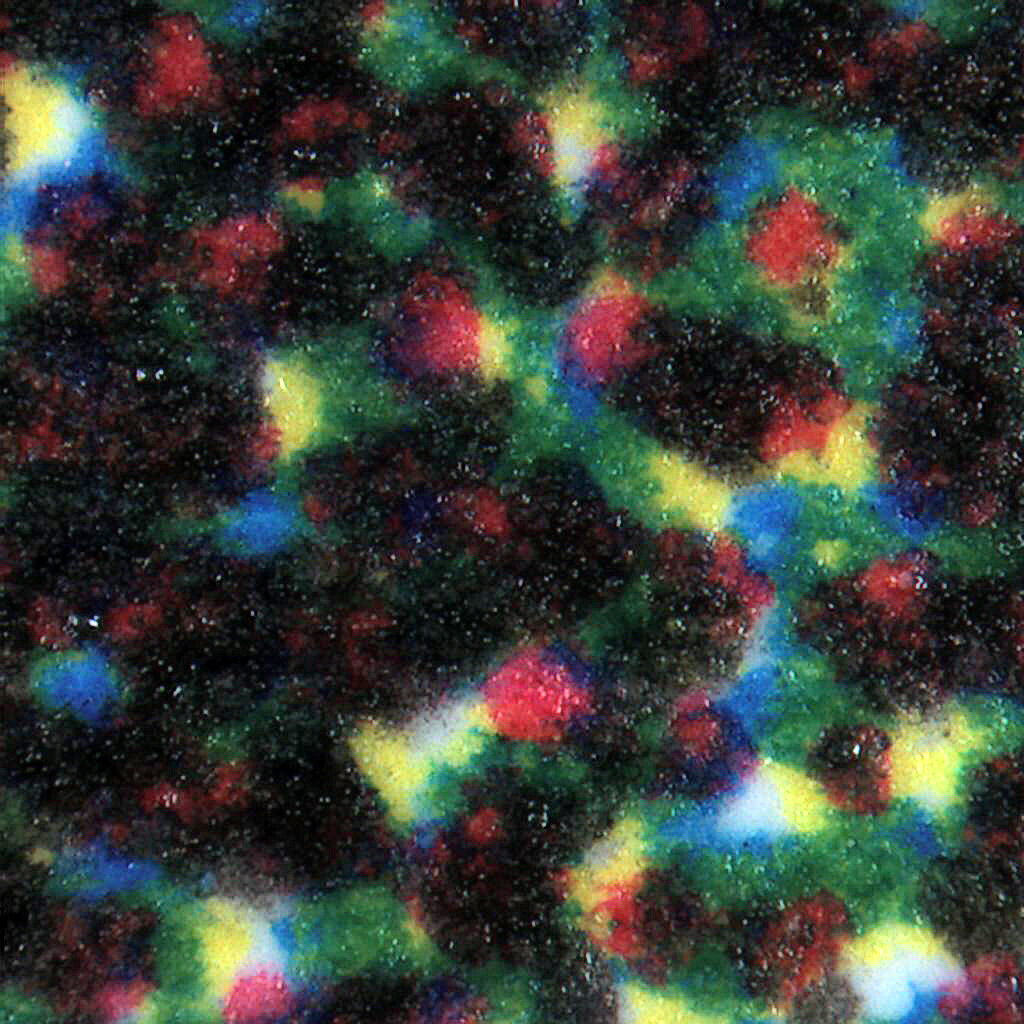
Using black ink is also more practical. It's cheaper than using a combination of the three colored inks, and it helps the paper dry faster, preventing smudges. When you see a printed image, you are actually looking at thousands of tiny dots of these four colors layered in specific patterns to fool your eye into seeing a full spectrum of color.
Screens vs. Print
The key difference between designing for a screen and designing for print comes down to one thing: light.
Screens are light sources. They use the RGB (Red, Green, Blue) model, which is an additive process. Colors are created by adding red, green, and blue light together in various amounts. When all three are combined at full intensity, they create white light.
Paper is not a light source. It reflects light. Printing uses the CMYK model, a subtractive process. Colors are created by subtracting wavelengths of light. When cyan, magenta, and yellow are combined, they subtract more light, creating darker colors. In theory, mixing all three produces black.
| Feature | RGB (Screens) | CMYK (Print) |
|---|---|---|
| Model Type | Additive | Subtractive |
| Primary Colors | Red, Green, Blue | Cyan, Magenta, Yellow, Black |
| How it Works | Adds light to a black screen | Subtracts light from white paper |
| Full Mix | Creates white | Creates black (theoretically) |
This fundamental difference is why a vibrant image on your screen can sometimes look duller when printed. The range of colors that can be produced by light (RGB) is much larger than the range that can be reproduced with ink (CMYK). Understanding this distinction is the first step toward creating designs that look great both digitally and in print.
The CMYK color model is referred to as a 'subtractive' process. Why?
In the CMYK acronym, what does the 'K' stand for?