CMBS Securitization for Sales & Trading
Introduction to CMBS
What Are CMBS?
A Commercial Mortgage-Backed Security (CMBS) is a type of investment product that is backed by a pool of commercial real estate loans. Think of loans for office buildings, shopping malls, apartment complexes, or hotels. Instead of a bank holding onto these massive loans for decades, they can sell them to be packaged together.
Why do this? It creates liquidity for the original lenders, freeing up their capital to make new loans. It also creates a new type of security that investors can buy. These investors then receive payments as the borrowers of the underlying properties pay their mortgages.
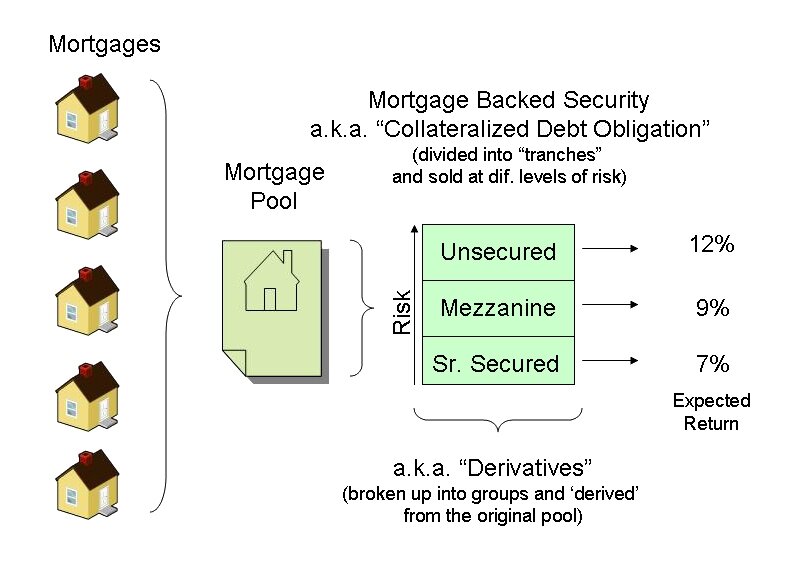
A single commercial mortgage can be for tens or even hundreds of millions of dollars. That's a huge, specialized loan for a single investor to take on. By pooling many different commercial loans together, the risk is spread out. These pools are then sliced into smaller, more standardized securities that are easier for investors to buy and sell.
CMBS vs. RMBS
You might be more familiar with Residential Mortgage-Backed Securities (RMBS), which are backed by home loans. While the basic idea is similar, CMBS and RMBS are very different because their underlying assets are different.
| Feature | CMBS (Commercial) | RMBS (Residential) |
|---|---|---|
| Collateral | Office buildings, retail centers, hotels, apartments | Single-family homes |
| Loan Size | Very large and variable | Smaller and more uniform |
| Loans in Pool | Fewer (tens to hundreds) | Many (thousands) |
| Repayment Source | Income from the property's business operations | Borrower's personal income |
| Key Risk | Business failure or economic downturn | Homeowner job loss or default |
The main difference comes down to how the loan gets paid. With an RMBS, you're betting on a homeowner's ability to keep their job and pay their mortgage. With a CMBS, you're betting on the economic success of the commercial properties in the pool. If a shopping mall's tenants go out of business, the mall owner might not be able to pay the mortgage, and the CMBS investors feel the impact.
The Key Players
Several key participants work together to create and manage a CMBS.
Originator
noun
The lender, typically a bank or financial institution, that provides the initial mortgage to the commercial property owner.
Once a loan is made, it's sold to an issuer, usually a large investment bank. The issuer, sometimes called a sponsor, bundles hundreds of these individual commercial mortgages into a large pool. This pool acts as the collateral for the CMBS that will be issued.
Next are the servicers. These companies are responsible for the day-to-day management of the loans. They collect monthly payments from the property owners, handle administrative tasks, and manage the process if a borrower defaults on their loan.
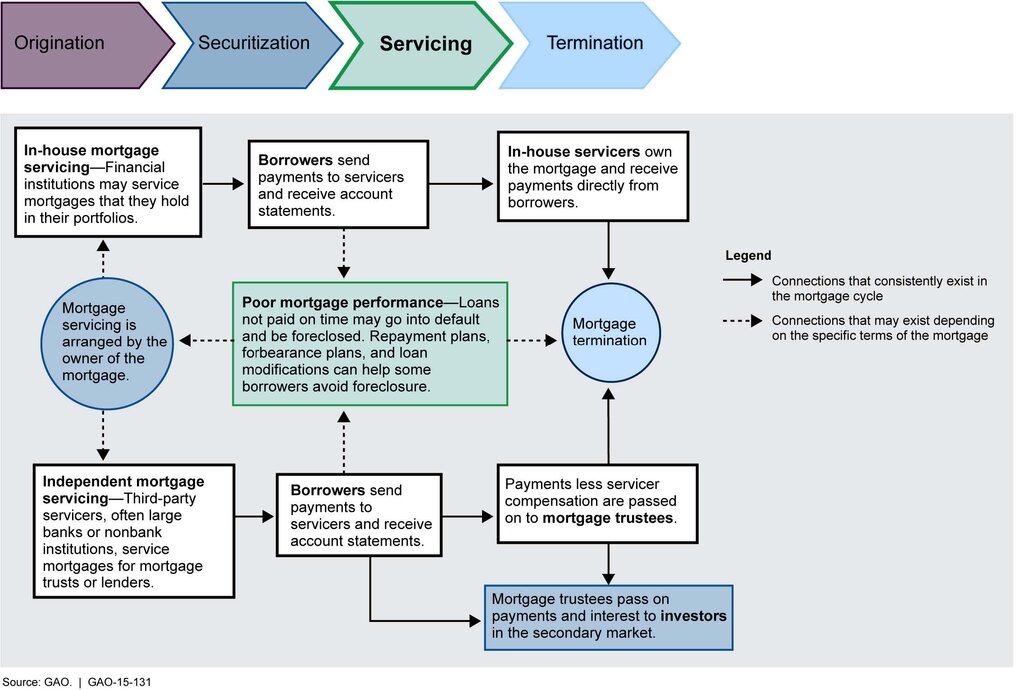
Finally, there are the investors. These can be institutional investors like pension funds, insurance companies, or mutual funds, as well as individual investors. They buy the securities issued from the pool and receive a portion of the income generated by the mortgage payments.
Understanding these roles helps clarify how a collection of individual property loans is transformed into a security traded on the open market.