Clutter and Your Brain
Introduction to Clutter and Mental Health
The Stuff Overload
Look around your living space. Do you see piles of mail, clothes you haven't worn in years, or gadgets you've forgotten you own? This is clutter. It’s more than just a mess. It's an overabundance of possessions that creates a sense of disorder and makes it hard to find what you need.
clutter
noun
A collection of things lying about in an untidy mass.
What one person considers clutter, another might see as a treasured collection. The key difference lies in how it affects you. If your belongings cause stress, drain your energy, or get in the way of living your life, it’s probably clutter. It's the physical manifestation of unmade decisions and postponed tasks.
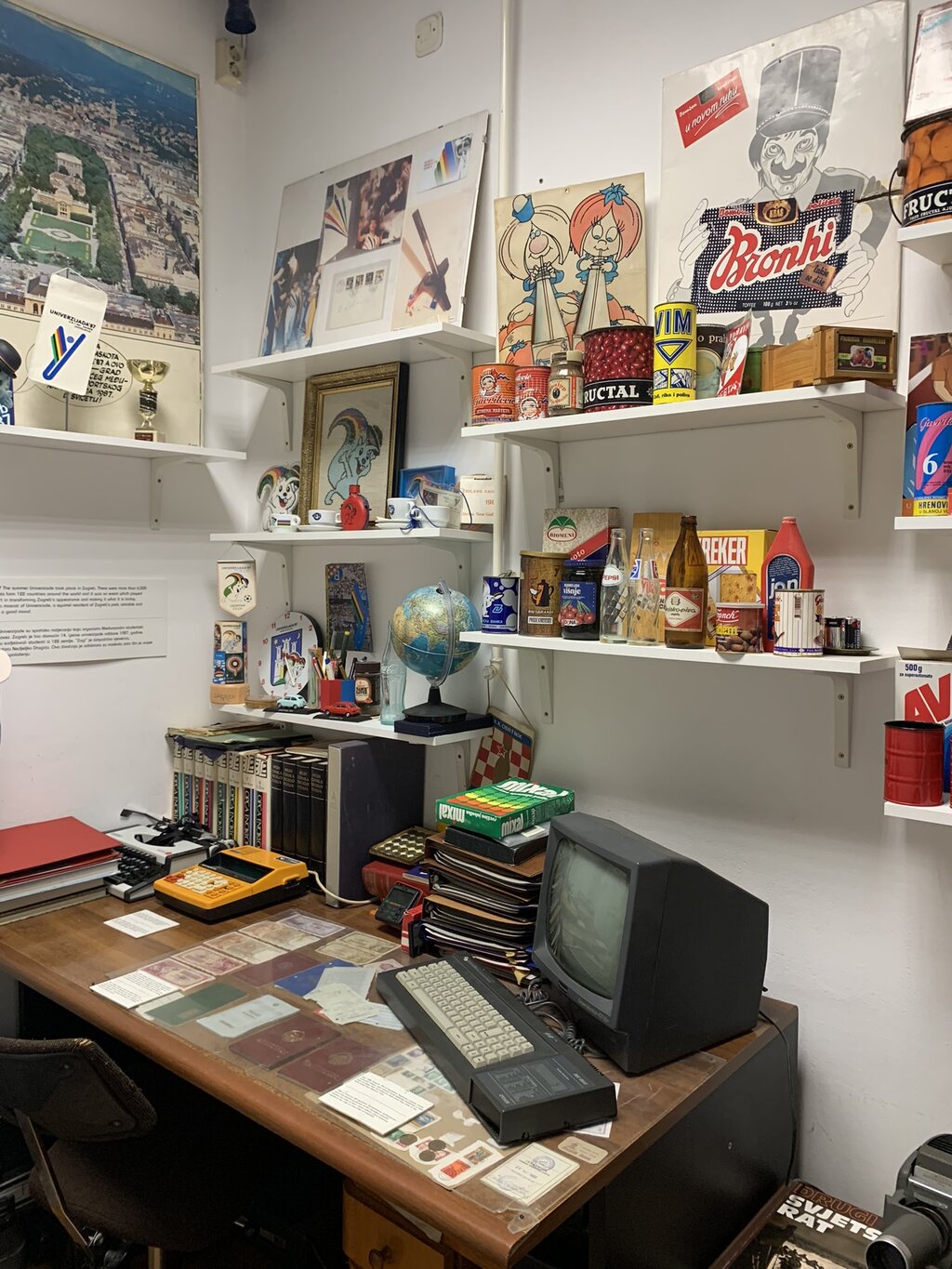
Why We Have So Much
Modern life makes it easy to accumulate things. We're constantly encouraged to buy more, and it's often easier to get something new than to fix something old. We also attach emotions to our possessions. That concert ticket stub isn't just paper; it's a memory. That sweater you never wear was a gift from someone special.
Our homes become storage units for our past and our anxieties about the future. This isn't a personal failing; it's a common feature of modern households. We often hold onto items "just in case," filling our spaces with things we don't need or even particularly want.
Clutter is often a physical symptom of what's happening inside us. When our lives are overscheduled and overwhelmed, our homes tend to reflect that.
The Mental Toll
Living in a cluttered environment can have a real impact on your mental well-being. Your brain has to work harder to filter out all the unnecessary visual information, which can make it difficult to focus and concentrate on a single task. It's like trying to have a quiet conversation in a loud, crowded room.

This constant visual noise can contribute to a low-grade, persistent feeling of stress. Every pile of papers or stack of unopened boxes is a silent to-do list, reminding you of tasks left undone. Over time, this can lead to feelings of guilt, anxiety, and even helplessness. You might feel embarrassed to have people over, leading to social isolation.
Ultimately, the state of our homes can mirror our mental state, and vice versa. A chaotic space can contribute to a chaotic mind.
Now that you understand the connection between clutter and your mental state, let's check your understanding.
According to the text, what is the key factor that distinguishes a collection from clutter?
A cluttered environment can make it difficult to focus because the brain has to work harder to filter out unnecessary visual information.
Understanding what clutter is and how it affects us is the first step toward creating a more peaceful and organized living space.