Cloud vs On-Premises Solutions
Introduction to IT Infrastructure
The Foundation of Your Tech
Every app you use, website you visit, and digital service you rely on runs on something. That “something” is IT infrastructure. It’s the complete collection of hardware, software, networks, and facilities required to build, test, run, and manage an organization's technology services.
Think of it as the digital equivalent of a building's foundation, plumbing, and electrical wiring. It’s the essential stuff that has to be in place for everything else to work. Historically, organizations had only one way to build this foundation: by doing it themselves. Today, there's another major option. Let's look at both.
On-Premises Infrastructure
The traditional model is called on-premises, or “on-prem.” The name says it all: the infrastructure is physically located on an organization's premises. The company buys, owns, and manages all of its own hardware and software in its own data center.
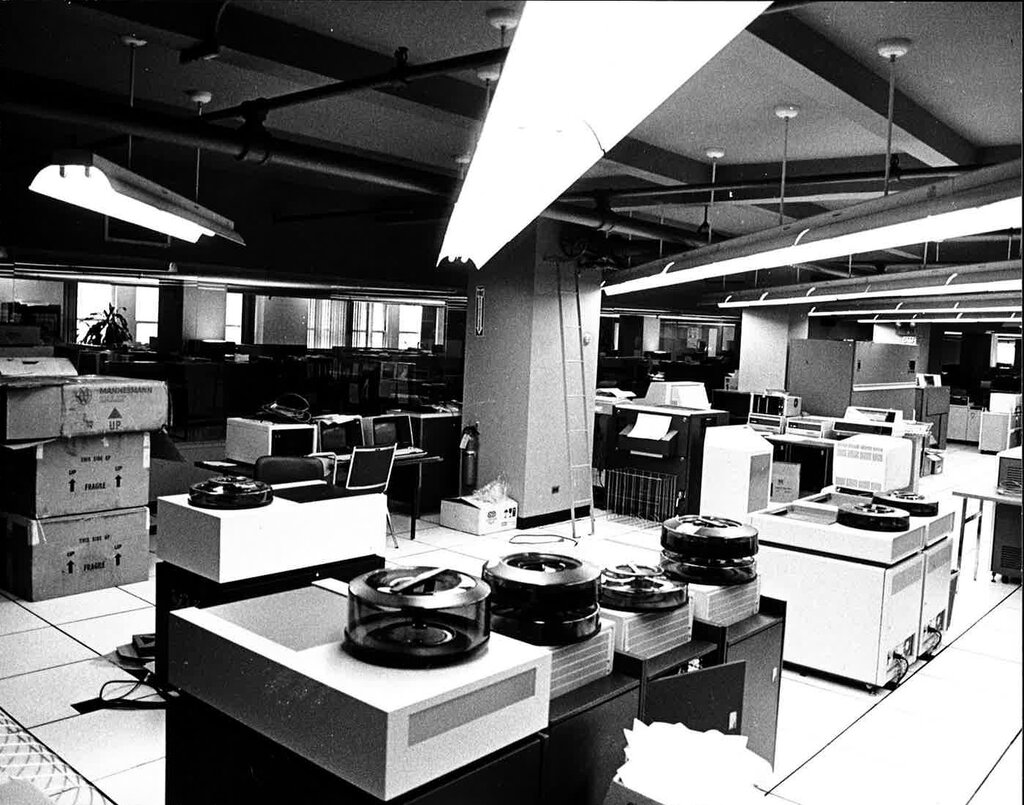
This approach is like owning a house. You are responsible for everything. You have to buy the servers, install the operating systems, configure the network switches, and manage the cooling and power in the server room. For decades, this was the only option available.
The biggest advantage is control. Since you own everything, you have complete authority over your data and security configurations. However, this comes at a cost. The initial expense for hardware can be massive, and you need a dedicated staff to maintain it all. Scaling up is also slow and expensive; if you need more capacity, you have to buy more machines.
Cloud-Based Solutions
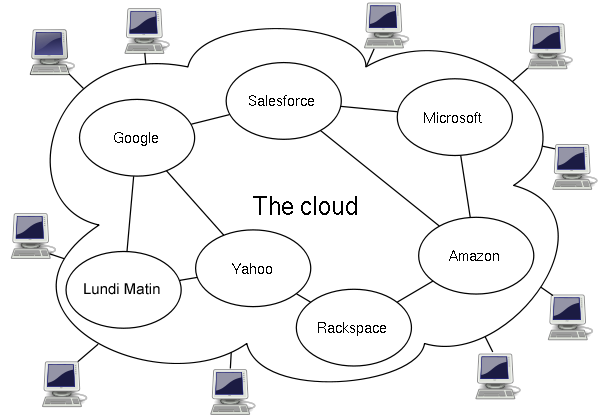
Cloud computing flips the on-prem model on its head. Instead of buying and managing your own infrastructure, you rent it from a cloud provider like Amazon Web Services (AWS), Microsoft Azure, or Google Cloud. These providers own and operate enormous data centers around the world, and you access their resources over the internet.
Simply put, cloud computing is the delivery of computing services—including servers, storage, databases, and software—over the internet.
This is more like renting an apartment or paying for a utility like electricity. You don't own the power plant; you just pay for the electricity you use. With the cloud, you don't buy servers; you pay for the computing power and storage you consume.
The main benefit is flexibility. Need more server capacity for a big product launch? You can get it in minutes. When traffic dies down, you can scale back down just as quickly. This pay-as-you-go model eliminates the huge upfront costs of on-prem setups. The trade-off is that you have less direct control over the physical hardware, as the cloud provider manages it for you.
| Feature | On-Premises | Cloud-Based |
|---|---|---|
| Ownership | You own the hardware | A provider owns the hardware |
| Cost Model | High upfront capital expense | Ongoing operational expense |
| Maintenance | Your team is responsible | The provider is responsible |
| Scalability | Slow; requires new hardware | Fast; on-demand resources |
Understanding these two models is the first step in designing modern technology systems. Each has its place, and many organizations today even use a mix of both.