Cloud Migration Essentials
Introduction to Cloud Computing
What Is Cloud Computing?
At its core, cloud computing means accessing computing resources—like servers, storage, databases, and software—over the internet instead of hosting them on your own physical hardware. Think of it like electricity. You don't build your own power plant; you just plug into the grid and pay for what you use. The cloud works the same way for computing power.
Cloud computing refers to the on-demand delivery of IT resources over the internet with pay-as-you-go pricing.
This model is defined by a few key characteristics that set it apart from traditional IT.
| Characteristic | Description |
|---|---|
| On-Demand Self-Service | You can access computing resources whenever you need them, without human intervention from the provider. |
| Broad Network Access | Services are available over the internet and can be accessed from any device, like a laptop or phone. |
| Resource Pooling | The provider's resources are shared among multiple customers, with resources dynamically assigned based on demand. |
| Rapid Elasticity | You can quickly and automatically scale your resources up or down to match your needs. |
| Measured Service | Resource usage is monitored, controlled, and reported, providing transparency for both the provider and the consumer. |
The Three Service Models
Cloud computing isn't a single product. It's a collection of services that can be grouped into three main categories, each offering a different level of control and management. A popular way to understand them is the "Pizza as a Service" analogy.
Infrastructure as a Service (IaaS) provides the fundamental building blocks: virtual servers, storage, and networking. You rent IT infrastructure and manage it yourself, installing your own operating systems and applications. This offers the most flexibility and control.
Platform as a Service (PaaS) gives you a platform to develop, test, and deploy applications without worrying about the underlying infrastructure. The cloud provider manages the servers, storage, and networking, while you focus on building your app.
Software as a Service (SaaS) is the most common model. It delivers ready-to-use software over the internet, usually on a subscription basis. You don't manage anything—you just use the application. Think of Google Workspace or Salesforce.
Where Does the Cloud Live?
The "cloud" isn't just one place; it can be deployed in different ways depending on an organization's needs for security, control, and scalability.
Public Cloud
noun
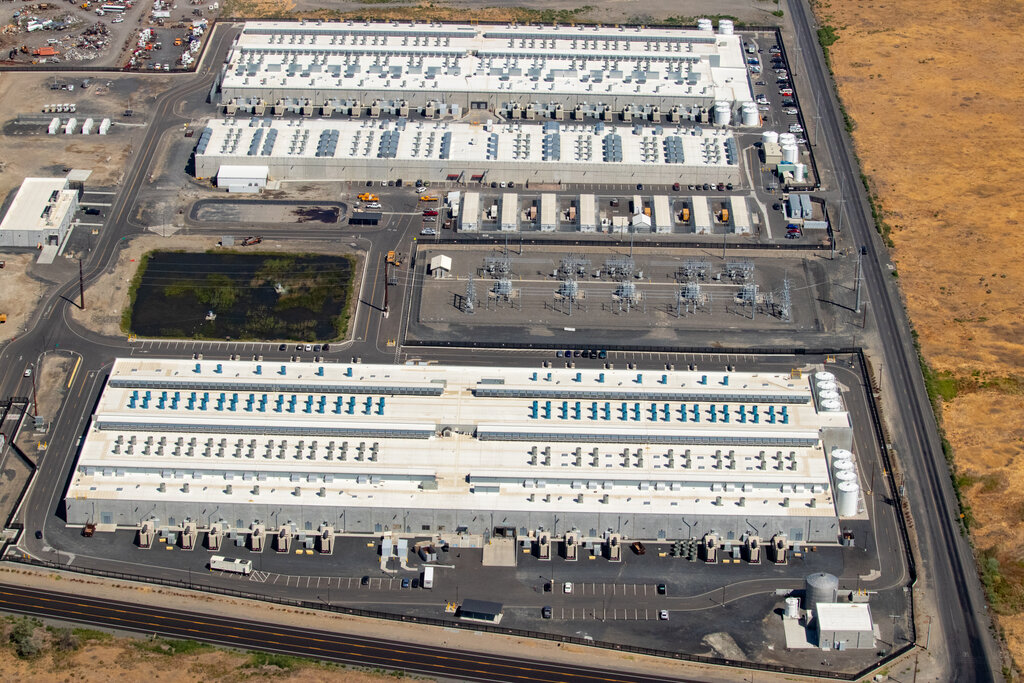
The cloud infrastructure is owned and operated by a third-party provider (like Amazon, Google, or Microsoft) and shared by many organizations over the public internet.
Private Cloud
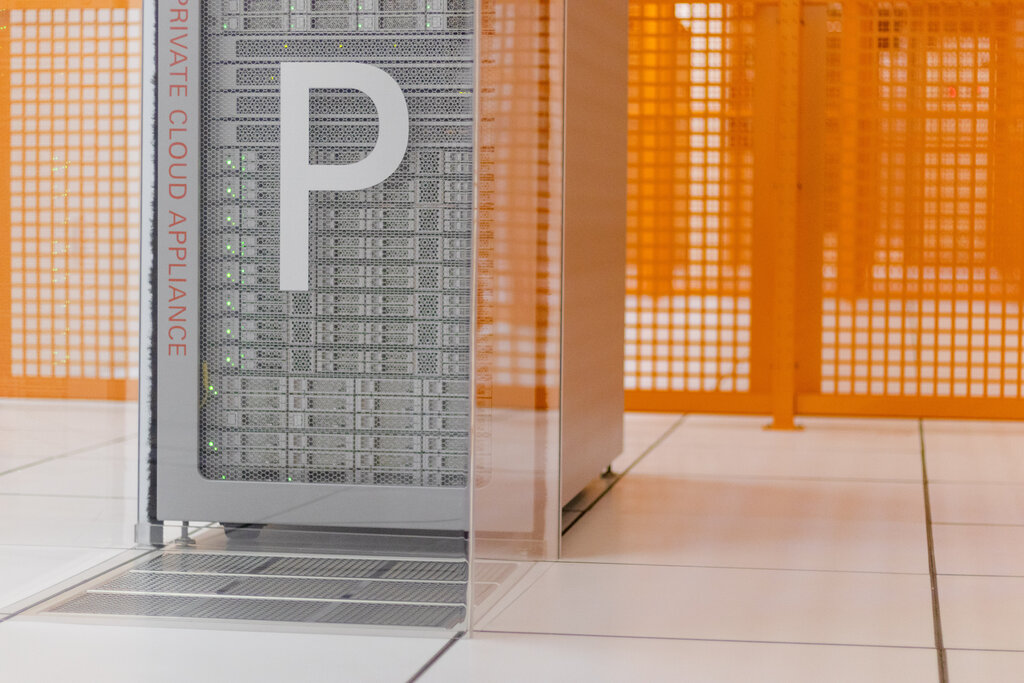
This is a cloud environment operated exclusively for a single organization. It can be located in the company's own data center or hosted by a third party. A private cloud offers greater control and security, which is often required for sensitive data or regulated industries.
Hybrid Cloud
A hybrid cloud combines public and private clouds, allowing data and applications to be shared between them. This approach gives businesses greater flexibility, allowing them to keep sensitive data on a private cloud while leveraging the vast resources of the public cloud for less critical tasks.
Why Bother With the Cloud?
Moving from traditional, on-premises IT to the cloud offers significant advantages. It's not just a technical shift; it's a business one.
The primary benefit is trading large, upfront capital expenses (like buying servers) for variable expenses (paying only for what you use). This makes technology more accessible and affordable.
Another major advantage is scalability and flexibility. With the cloud, you can scale resources up to handle a huge spike in traffic and then scale back down when things quiet down, all in a matter of minutes. This elasticity prevents you from paying for idle resources.
Finally, the cloud allows teams to be more agile. Instead of waiting weeks for new hardware to be ordered and set up, developers can spin up new servers in minutes, accelerating innovation and getting products to market faster.
A software development team wants a cloud environment where they can deploy and run their custom applications without managing the underlying servers, operating systems, or storage. Which cloud service model best fits their needs?
A financial institution needs to operate its computing resources in a highly secure environment that it controls exclusively, but it still wants the benefits of cloud architecture. Which deployment model should it choose?