Cloud Infrastructure Essentials
Introduction to Cloud Computing
What Is Cloud Computing?
At its core, cloud computing means accessing computing services—like servers, storage, and software—over the internet instead of running them on your own physical hardware. The "cloud" is just a metaphor for the internet and the vast network of data centers that provide these services.
Think of it like electricity. You don't build your own power plant to light your home. You simply plug into a grid managed by a utility company and pay for what you use. Cloud computing applies the same model to technology.
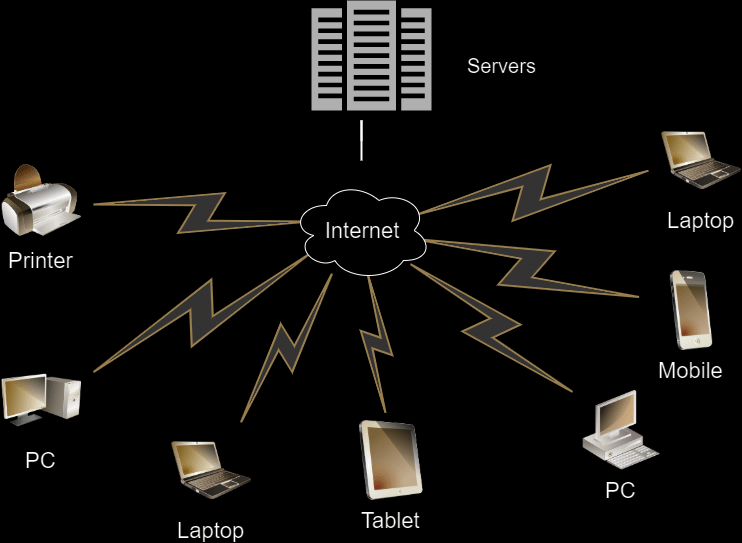
Instead of buying, owning, and maintaining your own data centers and servers, you can access technology services from a cloud provider like Amazon Web Services (AWS), Google Cloud, or Microsoft Azure. This frees you up from managing complex infrastructure and lets you focus on building your applications.
Core Characteristics
Cloud computing isn't just about accessing services online. It's defined by a set of key characteristics that distinguish it from traditional hosting. These features are what make the cloud so powerful and flexible.
| Characteristic | Description |
|---|---|
| On-Demand Self-Service | You can provision computing resources like server time or network storage automatically, without needing human help from the provider. |
| Broad Network Access | Services are available over the network and can be accessed through standard mechanisms by phones, laptops, and tablets. |
| Resource Pooling | The provider's resources are shared among multiple customers in a multi-tenant model. You don't know or care exactly where your data is physically stored. |
| Rapid Elasticity | You can quickly scale resources up or down to match demand. It feels like you have an unlimited supply of resources available when you need them. |
| Measured Service | Resource usage is monitored, controlled, and reported. You pay only for what you consume, just like a water or electricity bill. |
Together, these five characteristics give cloud computing its signature agility and efficiency.
Cloud vs. On-Premises
Before the cloud became widespread, companies relied on on-premises infrastructure. This meant they had to buy and manage their own servers, storage, and networking equipment in their own data centers. The cloud offers a fundamentally different approach.
With an on-premises setup, you are responsible for everything. You have to buy the hardware, which is a large upfront cost known as Capital Expenditure (CapEx). You also have to pay for the space, power, cooling, and staff to maintain it all.
In the cloud model, the provider handles the physical infrastructure. Your costs shift from CapEx to Operational Expenditure (OpEx)—a predictable, recurring expense for the services you use. This financial shift is one of the most significant advantages of the cloud.
Why Choose the Cloud?
The differences between cloud and on-premises models lead to several key benefits for businesses and developers.
Cost Savings: By using the cloud, you avoid the huge cost of buying and managing your own hardware. The pay-as-you-go model means you don't waste money on resources you aren't using.
Scalability: Need more computing power for a big event? You can get it in minutes. When the event is over, you can scale back down just as quickly. This elasticity is nearly impossible to achieve with on-premises hardware.
Reliability and Performance: Major cloud providers have networks of data centers around the world. They build in redundancy to ensure their services are highly available. They also allow you to deploy your applications closer to your users, reducing latency and improving performance.
Focus: By offloading infrastructure management to a provider, your teams can focus on what's most important: building products and serving customers.
Ready to test your knowledge? Let's see what you've learned about the basics of cloud computing.
What is the core concept of cloud computing?
Moving from an on-premises data center to the cloud typically shifts IT spending from...
Understanding these fundamental concepts is the first step in mastering cloud technology. Now you know what the cloud is, what makes it unique, and why it has become the standard for modern applications.