Cloud Computing Fundamentals
Introduction to Cloud Computing
What Is the Cloud?
At its core, cloud computing is about renting, not owning. Instead of buying and managing your own computer servers, you can access services like computing power, storage, and databases over the internet from a provider like Amazon Web Services (AWS), Google Cloud, or Microsoft Azure.
Think of it like electricity. You don't build your own power plant; you just plug into a grid and pay for what you use. The cloud is a grid for computing resources.
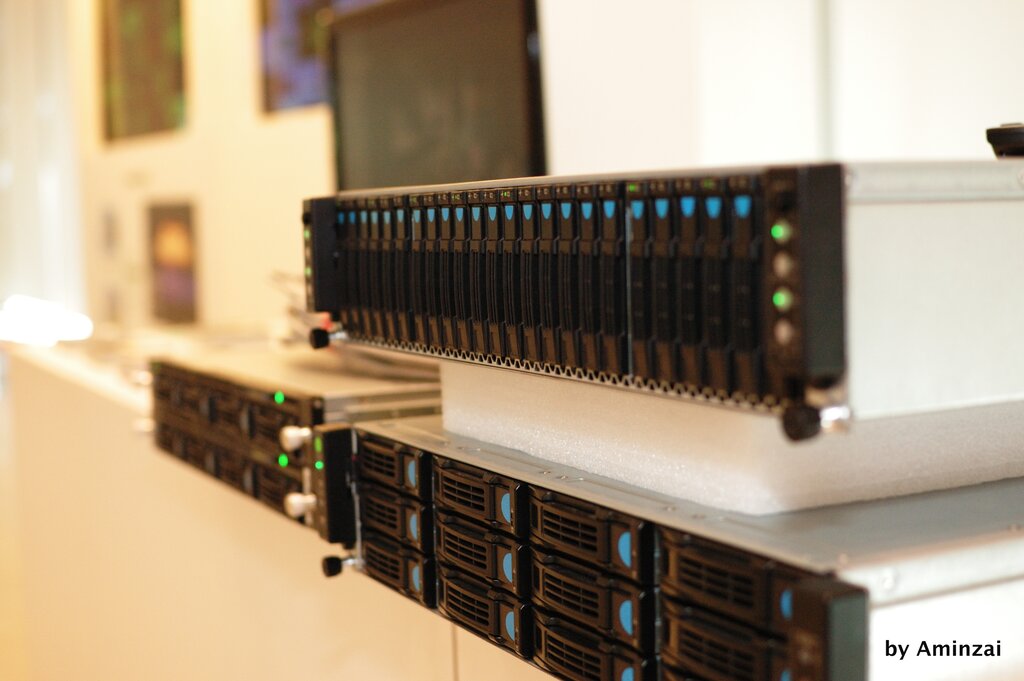
This simple idea has completely changed how businesses operate. Companies can now get the computing resources they need instantly, without the massive upfront cost and maintenance of physical hardware. This allows them to innovate faster, scale their operations up or down as needed, and focus on what they do best, rather than managing IT infrastructure.
Key Characteristics
Not every service on the internet is considered 'cloud computing'. To qualify, a service typically needs to have five essential characteristics.
| Characteristic | What It Means |
|---|---|
| On-Demand Self-Service | You can get computing resources yourself, without human help. |
| Broad Network Access | You can access services from anywhere with an internet connection. |
| Resource Pooling | The provider's resources are shared among many customers. |
| Rapid Elasticity | You can quickly scale resources up or down to meet demand. |
| Measured Service | You only pay for what you use, just like a utility bill. |
These five traits work together. For example, a video streaming service experiences huge demand on a Friday night. Thanks to rapid elasticity, it can automatically add more server power. Because of the measured service model, it only pays for that extra power during the peak hours, saving money when traffic is low.
The Benefits
Why did this model become so popular? The advantages are significant, especially for businesses.
Cost Savings: Companies trade the large expense of buying hardware and running data centers for a more manageable operational cost. It's the difference between buying a building and paying monthly rent.
Scalability: A small startup can start with minimal resources and scale up to serve millions of users without ever having to rebuild its infrastructure.
Performance: Major cloud providers have a global network of secure data centers, offering better speed and reliability than a single company could typically afford.
Speed & Agility: New services can be set up in minutes. This allows teams to experiment and develop new applications much faster than before.
A Brief History
The idea of shared computing resources isn't new. It dates back to the 1960s with mainframe computers that users could access remotely. However, the modern cloud as we know it began to take shape in the late 1990s and early 2000s.
Companies like Salesforce started offering business applications online, and Amazon launched Amazon Web Services (AWS) in 2006. AWS initially offered simple storage and computing services. This was a turning point. It made enterprise-grade computing infrastructure accessible and affordable to everyone, from individual developers to large corporations.
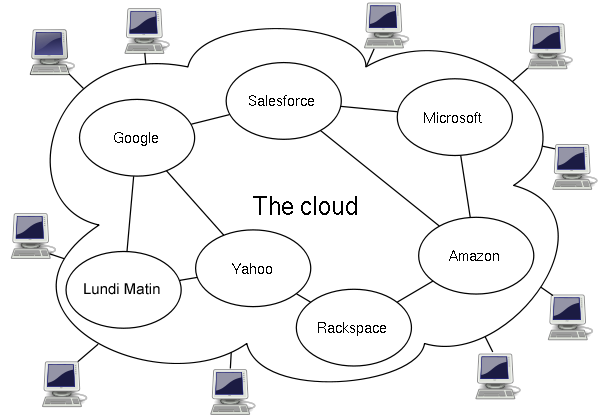
Since then, the cloud has grown from a niche concept to the standard way of building and deploying software. It powers everything from streaming services and social media to scientific research and financial systems.
What is the core operational model of cloud computing?
Which company's 2006 launch of simple storage and computing services is considered a major turning point in the history of the modern cloud?