Cloud Computing Fundamentals
Introduction to Cloud Computing
What is Cloud Computing?
Think about how you use electricity. You don't own a power plant in your backyard. Instead, you connect to a huge, shared grid and only pay for the electricity you actually use. Cloud computing works in a similar way, but for things like data storage, software, and computing power.
Instead of buying and maintaining your own expensive servers and hardware, you can access these services over the internet from a cloud provider. This means you can use powerful computing resources on-demand, from anywhere, without the headache of managing the physical infrastructure.
Cloud computing is a model for enabling on-demand network access to a shared pool of configurable computing resources, such as networks, servers, storage, applications, and services that can be rapidly provisioned and released with minimal management effort or service provider interaction.
This definition highlights a few core ideas that make the cloud so powerful. Let's break down the essential characteristics that define what cloud computing really is.
The Five Pillars of the Cloud
For a service to be considered true cloud computing, it needs to have five specific characteristics. These aren't just buzzwords; they're the ingredients that give the cloud its unique advantages.
1. On-Demand Self-Service: You can get the resources you need without having to ask anyone. It's like a vending machine for computing. You can provision servers, storage, or databases with a few clicks in a web portal, and it all happens automatically.
This removes the long delays of traditional IT, where getting a new server could take weeks of procurement and setup.
2. Broad Network Access: You can access cloud services from anywhere with an internet connection, using standard devices like your laptop, tablet, or smartphone. This flexibility is key to enabling remote work and global access.
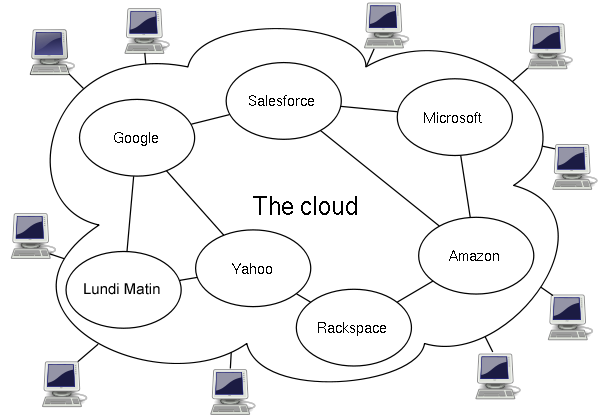
This means your data and applications aren't tied to a single physical location.
3. Resource Pooling: Cloud providers serve many customers using a shared pool of resources. Think of it like an apartment building sharing a central heating system. The provider dynamically assigns and reassigns computing power, memory, and storage to different users as needed. You don't know or need to care exactly which physical server is running your application.
This model is what makes the cloud so efficient. By sharing resources, providers can offer powerful services at a much lower cost.
4. Rapid Elasticity: This is the cloud's superpower. Resources can be scaled up or down quickly, and sometimes automatically, to match demand. If your website suddenly gets a huge surge in traffic, the cloud can instantly provide more server power to handle it. When traffic dies down, it scales back down so you're not paying for resources you aren't using.
Imagine a retailer during a holiday sale. They need massive computing power for a few weeks but not for the rest of the year. The cloud makes this possible without buying equipment that would sit idle most of the time.
5. Measured Service: Cloud systems automatically control and optimize resource use. Usage is monitored, metered, and reported. This transparency means you only pay for what you consume, just like an electricity or water bill. It provides a clear view into how much you're spending and where.
Why Does It Matter?
These five characteristics work together to provide some major benefits. The most significant are cost-efficiency, flexibility, and scalability.
Cost-Efficiency: Because you don't have to buy and maintain your own hardware, you avoid huge upfront capital expenses. Instead, you have a predictable, pay-as-you-go operational expense. You're not paying to power and cool servers that are sitting idle.
Flexibility: The cloud allows businesses to innovate and experiment faster. Need to test a new application? You can spin up the required servers in minutes, not weeks. If the idea doesn't work, you can simply shut them down without any wasted investment in hardware.
Scalability: Businesses can grow without worrying about hitting the limits of their infrastructure. The cloud provides a virtually unlimited pool of resources, allowing a small startup to scale its operations to serve millions of users globally.
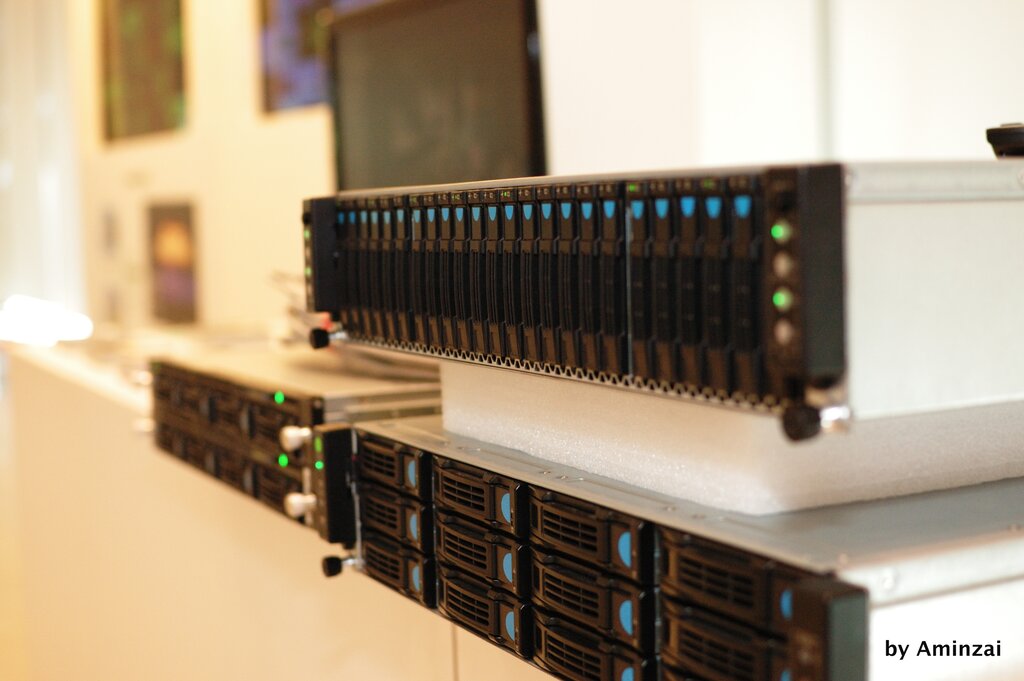
You already use cloud computing every day. When you stream a movie, check your email on Gmail, or store photos in Google Photos or iCloud, you're interacting with powerful cloud services. These services handle all the complex storage and processing behind the scenes, delivering a seamless experience directly to your device.
Ready to check your understanding of these core concepts?