Cloud Computing Essentials for Computer Science Students
Cloud Computing Defined
What Is Cloud Computing?
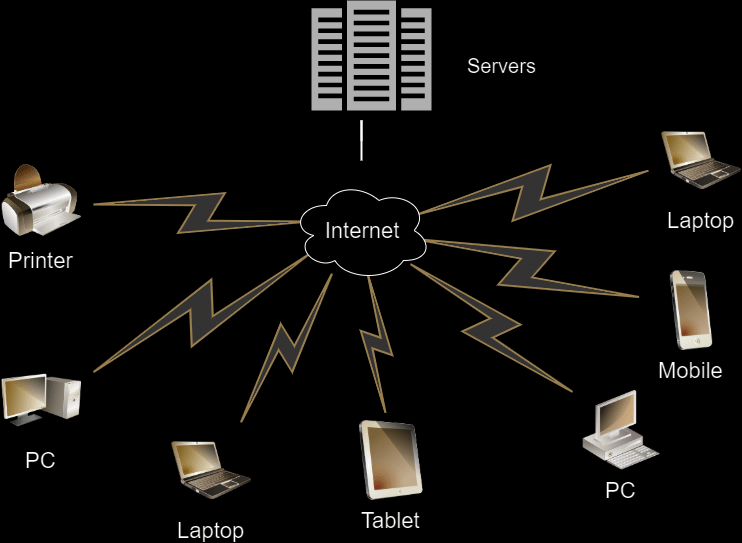
At its core, cloud computing is the delivery of computing services over the internet. These services include servers, storage, databases, networking, software, and more. Instead of owning and maintaining your own computing infrastructure, you can access these services from a cloud provider like Amazon Web Services (AWS), Google Cloud, or Microsoft Azure.
Think of it like electricity. You don't own a power plant to light your house. You just plug into the grid and pay for what you use. The cloud works the same way for computing power.
Cloud vs. On-Premises
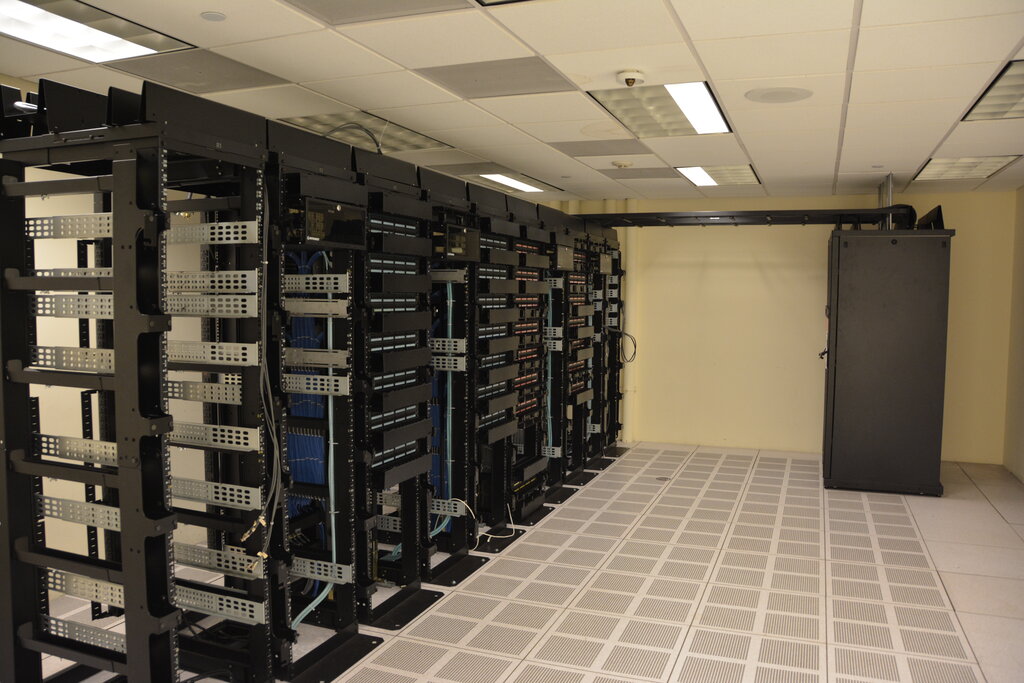
The traditional way of doing things is called 'on-premises' computing. This means a company buys its own physical servers, houses them in its own building, hires IT staff to maintain them, and pays for the electricity and cooling to keep them running. It’s a huge upfront investment in hardware and people.
Imagine you're launching a new app. With an on-premises setup, you'd have to guess how many users you'll have. If you buy too many servers, you've wasted money. If you buy too few and your app becomes popular, your servers will crash, and users will have a bad experience. The cloud solves this problem by letting you rent resources as you need them, scaling up or down almost instantly.
The Five Essential Characteristics
The U.S. National Institute of Standards and Technology (NIST), defines cloud computing by five essential characteristics. These traits are what truly separate the cloud from just having servers in someone else's data center.
| Characteristic | What it means |
|---|---|
| On-demand self-service | You can get computing resources like server time or storage automatically, without needing to talk to a human. You just use a web dashboard. |
| Broad network access | Services are available over the network and can be accessed by any type of device, like your phone, tablet, or laptop. |
| Resource pooling | The provider's resources are pooled to serve many customers at once. You don't know or care exactly which physical machine is running your code. |
| Rapid elasticity | You can quickly—and sometimes automatically—scale your resources up or down to meet demand. It feels like you have infinite capacity. |
| Measured service | You only pay for what you use. The cloud system automatically controls and optimizes resource use by metering it, much like an electric meter. |
These five characteristics work together to deliver the main benefits of the cloud.
Why Bother With the Cloud?
So why has cloud computing become the default for startups and large corporations alike? The benefits are significant.
Cost: You trade a large upfront expense (buying servers) for a smaller, variable expense (paying for what you use). It's like switching from buying a car to using a ride-sharing service.
Speed & Productivity: New resources are just a click away. This means developers can get what they need in minutes, instead of waiting weeks for IT to approve, purchase, and set up a new server. This drastically speeds up the time it takes to build and launch new applications.
Global Scale: With the cloud, you can deploy your application in multiple regions around the world with just a few clicks. This means you can provide a fast, low-latency experience to your users, no matter where they are.
Performance & Reliability: The biggest cloud providers have a worldwide network of secure data centers. They are regularly upgraded to the latest generation of fast and efficient computing hardware. This provides better performance and greater reliability than a single corporate data center can typically achieve.
Security: Cloud providers offer a broad set of policies, technologies, and controls that strengthen your security posture. They have entire teams of experts dedicated to protecting their infrastructure, which helps protect your data from potential threats.
Now let's check your understanding of these core concepts.
What is the core concept of cloud computing?
A startup is launching a new app and is uncertain about user demand. How does the cloud address the problem of guessing server capacity?
In summary, cloud computing provides a flexible, scalable, and cost-effective alternative to traditional on-premises infrastructure, allowing businesses to innovate faster and operate more efficiently.