Cloud Computing Essentials for Beginners
Cloud Foundations
What is the cloud?
The term "cloud" sounds a bit mysterious and magical. It brings to mind something floating invisibly in the air. But the reality is much more concrete. At its core, the cloud is just someone else's computer.
The cloud is not a mystical entity. It's a physical place, and you're just accessing it over the internet.
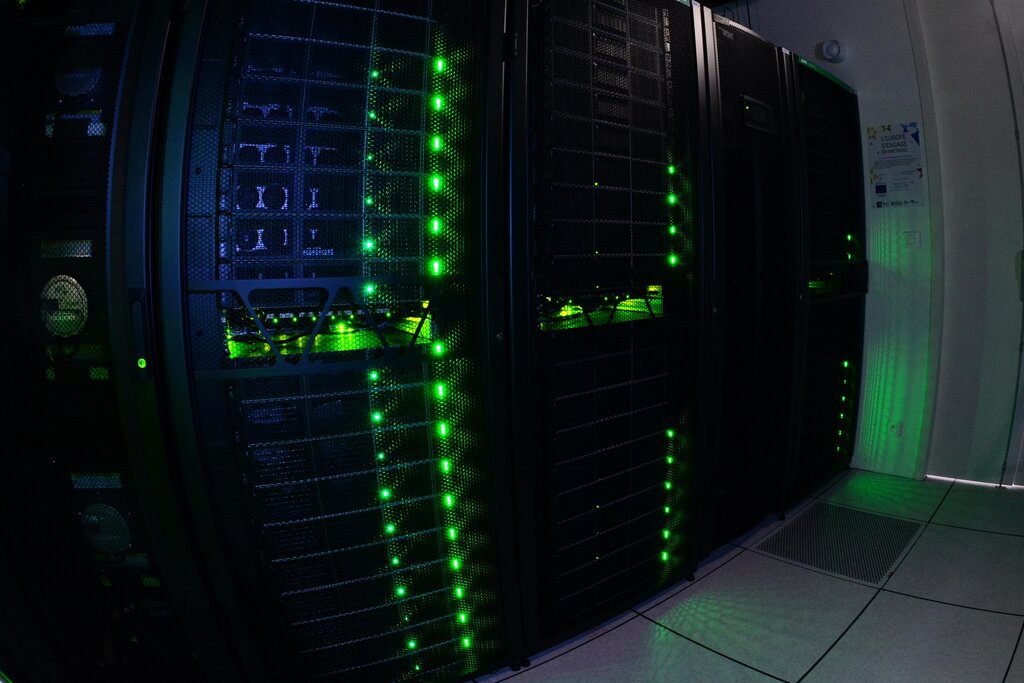
Instead of a single computer, imagine massive, warehouse-sized buildings filled with powerful computers. These buildings are called data centers, and they are the physical heart of the cloud. They contain thousands of computer servers, miles of cables, and sophisticated cooling systems to keep everything running smoothly. Companies like Amazon, Google, and Microsoft own and operate these data centers all over the world. When you use a cloud service, you are renting a small piece of that hardware.
The old way On-premises
Before the cloud became common, businesses had to manage their own computing hardware. This approach is called on-premises computing. It meant buying physical servers, finding space for them in an office or a dedicated server room, and hiring a team of IT professionals to install, maintain, and secure them. If a company's website suddenly became popular, they had to rush to buy more servers to handle the traffic. If business slowed down, those expensive machines would sit idle, gathering dust but still consuming power and taking up space.
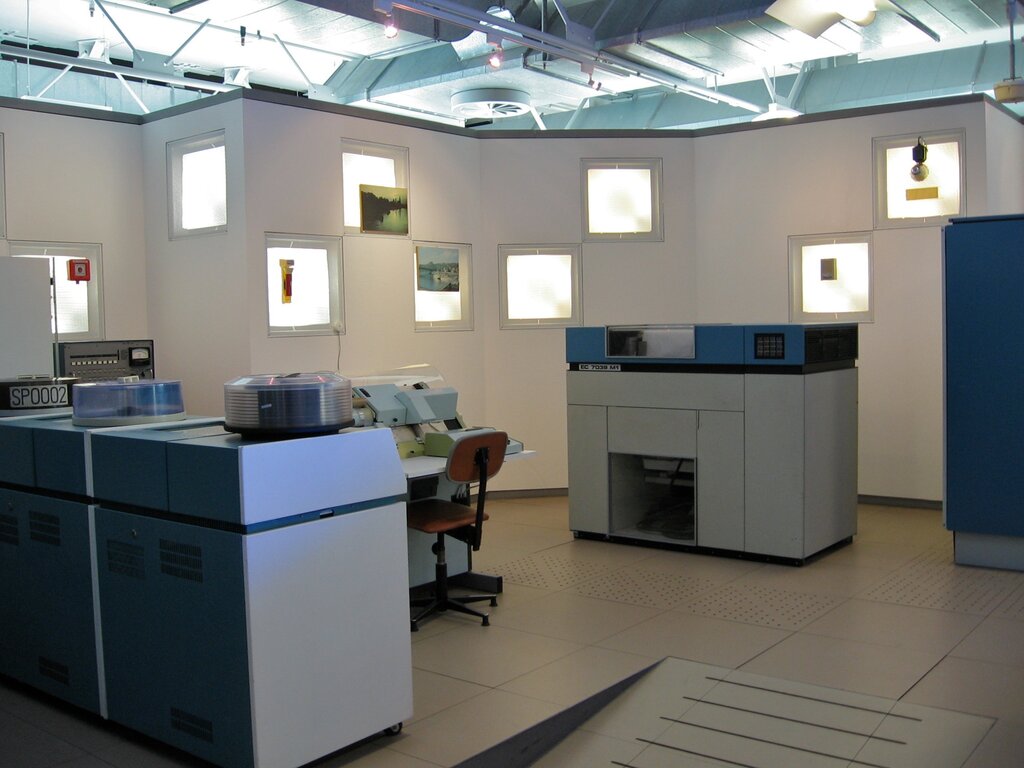
This model required a huge upfront investment and a lot of guesswork. Companies had to predict their future needs, often buying more capacity than they currently required just to be safe. It was expensive, inefficient, and slow to adapt to change.
A utility for computing
Cloud computing completely changed this model. It treats computing resources like a utility, similar to electricity or water. You don't build your own power plant to light your home; you simply plug into the grid and pay a monthly bill for what you use. The cloud works the same way. The internet is the grid, and cloud providers are the power plants.
Instead of buying a , you can rent processing power from a cloud provider on demand. Need more storage space? You can add it with a few clicks. Launching a new application and not sure how many users you'll have? The cloud allows you to start small and add resources instantly as your needs grow. This concept is known as and it's one of the cloud's biggest advantages. You pay only for what you consume, turning a large capital expense into a predictable operational cost.
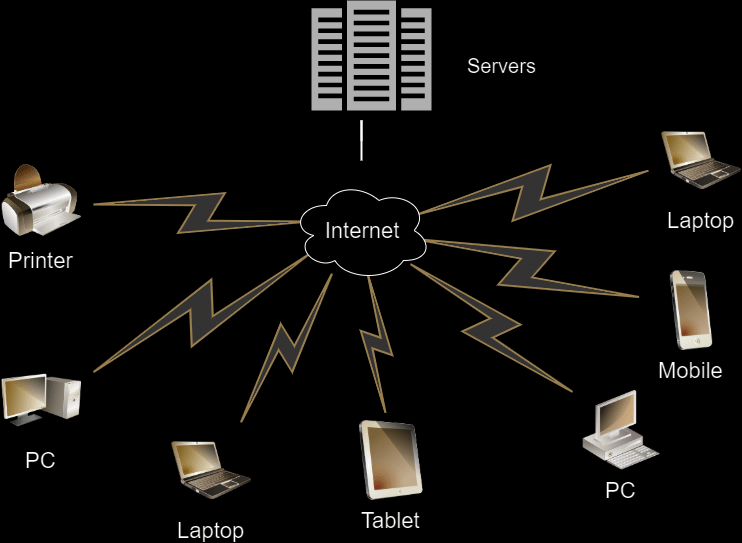
This shift from owning hardware to renting services is the fundamental idea behind cloud computing. It allows anyone, from a single developer to a massive corporation, to access powerful, world-class computing infrastructure without the massive upfront cost and complexity.
Ready to check your understanding?
At its most fundamental level, what is the cloud?
What is the term for the traditional approach where a company buys and manages its own servers in its own facility?