Cloud Computing and Networking Fundamentals
Introduction to Cloud Computing
What Is the Cloud?
The term "cloud computing" is everywhere, but what does it actually mean? At its core, it's about accessing computing resources—like servers, storage, and software—over the internet instead of hosting them on your own computer or in a private data center.
Think of it like electricity. A hundred years ago, a factory needed its own generator to power its machines. It was expensive, required constant maintenance, and if it broke, work stopped. Today, we just plug into the electrical grid. We pay for what we use, and a power company handles all the complex infrastructure. Cloud computing does the same thing for technology.
Cloud computing allows businesses to leverage computing resources over the internet, providing scalable and on-demand access to IT infrastructure, applications, and storage without needing to manage or own physical hardware.
This model has a few key characteristics. It’s on-demand, meaning you can get resources when you need them. It uses resource pooling, where a provider serves multiple customers from the same physical infrastructure. And most importantly, it offers rapid elasticity, allowing you to scale your resources up or down almost instantly. This flexibility is what makes the cloud so powerful.
The As-A-Service Models
Cloud services are typically broken down into three main categories. The key difference between them is how much of the technology stack you manage versus how much the cloud provider manages for you.
A great way to understand this is the "pizza-as-a-service" analogy.
- Traditional On-Premises: You make pizza at home from scratch. You buy the ingredients, use your own oven, set your own table, and provide your own soda. You control everything, but you also have to do everything.
- Infrastructure as a Service (IaaS): This is like buying a take-and-bake pizza. The pizza shop provides the dough, sauce, and toppings (the infrastructure), but you take it home to bake in your own oven (your platform and applications). You manage less, but still have control over the core cooking process.
- Platform as a Service (PaaS): This is like getting pizza delivered. The pizza place handles making the pizza and cooking it. You just need to provide the table and soda (your applications and data). You don't worry about the underlying kitchen at all.
- Software as a Service (SaaS): This is like dining out at a restaurant. The restaurant provides the pizza, the oven, the table, and the drinks. You just show up and eat. You manage nothing; you just use the service.
| Category | You Manage | Provider Manages |
|---|---|---|
| IaaS | Applications, Data, Runtime, Middleware, OS | Virtualization, Servers, Storage, Networking |
| PaaS | Applications, Data | Runtime, Middleware, OS, Virtualization, Servers, Storage, Networking |
| SaaS | Nothing | Everything: Applications, Data, Runtime, Middleware, OS, Virtualization, Servers, Storage, Networking |
In the tech world, IaaS gives you access to fundamental building blocks like virtual servers and storage. PaaS provides a platform where you can build and deploy applications without worrying about the underlying infrastructure. SaaS delivers complete software products over the internet, like email or CRM tools.
Where Does the Cloud Live?
Cloud services aren't just one thing; they can be deployed in several ways depending on an organization's needs for security, control, and scalability.
- Public Cloud: Services are owned and operated by a third-party provider and delivered over the public internet. This is the most common model, offering massive scale and a pay-as-you-go structure.
- Private Cloud: The infrastructure is used exclusively by one organization. It offers more control and security but comes at a higher cost.
- Hybrid Cloud: This approach combines public and private clouds, allowing data and applications to be shared between them. It offers the best of both worlds: the security of a private cloud and the scalability of a public cloud.
- Multi-Cloud: This strategy involves using more than one public cloud provider. A company might use one provider for its main applications and another for data analytics to leverage the unique strengths of each.
The Benefits
So why has cloud computing become so dominant? The advantages are significant.
Scalability
noun
The ability of a system to handle a growing amount of work by adding resources.
With the cloud, you can scale resources up to handle a traffic spike and then scale them back down when things quiet down. This elasticity means you only pay for what you need, when you need it.
This leads to major cost efficiency. Instead of spending large amounts of money on hardware and data centers (capital expenditure), companies can treat computing as an operational expense. There are no upfront costs, and you benefit from the provider’s economies of scale.
Finally, the cloud offers incredible flexibility and agility. Teams can spin up new servers in minutes, test an idea, and shut it down if it doesn't work. This speed allows businesses to innovate much faster than they could with traditional IT infrastructure.
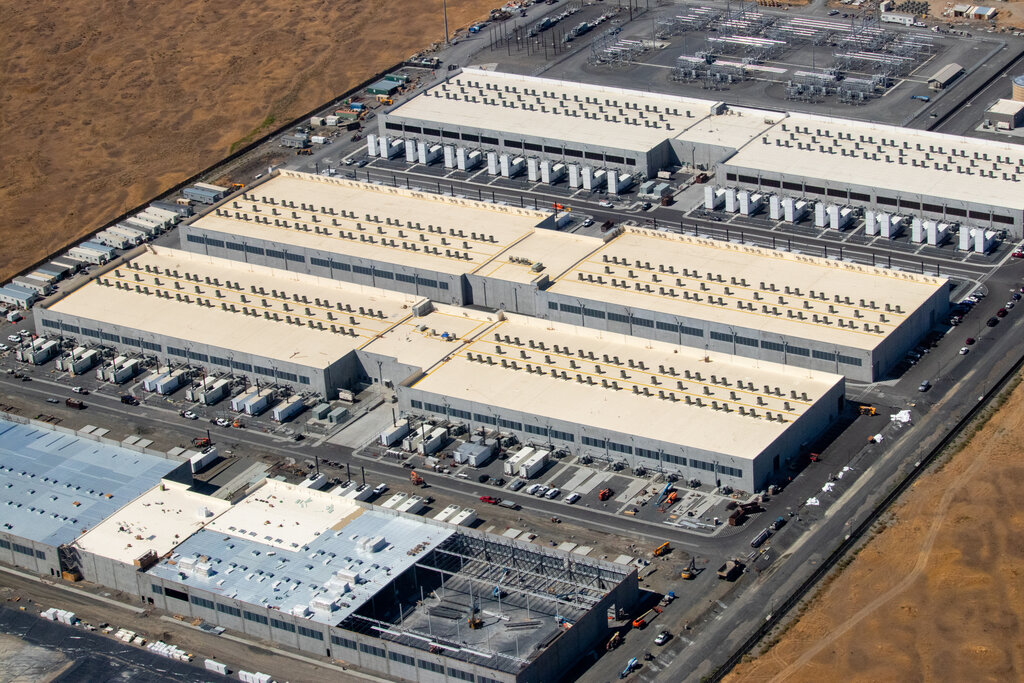
A brief look back shows this wasn't an overnight revolution. The concept of shared computing resources dates back to the 1960s with mainframe time-sharing. In the 1990s, companies began offering Virtual Private Networks. But it was the launch of Amazon Web Services (AWS) in 2006 that truly kicked off the modern cloud era, offering simple, scalable infrastructure services to anyone with a credit card. Since then, the growth has been explosive.
Ready to check your understanding of these core concepts?
Which analogy best describes the core concept of cloud computing?
In the "pizza-as-a-service" analogy, which service model is most like getting pizza delivered to your home?
Understanding these foundations is the first step. The cloud has fundamentally changed how we build and use technology, making powerful tools accessible to everyone.