Cloud and Application Vulnerability Management Fundamentals
Introduction to Cloud Security
Security is a Partnership
Moving to the cloud is a bit like renting a high-tech, secure apartment. The landlord provides a strong building with solid locks on the main entrance and security cameras in the hallway. But you're still responsible for locking your own apartment door. You decide who gets a key and what you keep inside.
Cloud security works the same way. It's a partnership between you and your cloud provider, like Amazon Web Services (AWS), Google Cloud, or Microsoft Azure. This partnership is called the shared responsibility model.
The cloud shared responsibility model defines the division of security and compliance responsibilities between the cloud service provider (CSP) and the customer.
In short, the provider is responsible for the security of the cloud, and you are responsible for security in the cloud.
The cloud provider secures the global infrastructure, the physical buildings, the servers, and the core networking. It's their job to make sure someone can't just walk into a data center and unplug a server.
Your job starts where theirs ends. You control who can access your data, how your applications are configured, and the virtual networks they run on. If your application has a bug or you give too many people admin access, that's on you. Misconfigurations are one of the most common sources of cloud security issues.
Common Cloud Vulnerabilities
Because you have so much control, it's easy to make a mistake. Cloud environments are powerful and complex, and a few common vulnerabilities show up time and again.
| Vulnerability | Description | Real-World Example |
|---|---|---|
| Misconfigured Cloud Storage | Leaving storage buckets (like AWS S3) open to the public internet. | A company accidentally makes a database of customer information publicly readable, exposing sensitive data. |
| Insecure APIs | Application Programming Interfaces (APIs) that lack proper authentication or expose too much data. | A mobile app's API allows anyone to query user data without proving who they are, leading to a data leak. |
| Excessive Permissions | Giving users or applications more access than they need to do their jobs. | A junior developer is given full administrative access to the entire cloud account, rather than just the server they work on. |
| Credential Theft | Stolen usernames, passwords, or access keys. | An attacker finds a developer's secret access key accidentally posted on a public code repository like GitHub. |
Notice a pattern? Most of these issues aren't about hackers breaking through the cloud provider's defenses. They're about customers making mistakes in how they configure their own slice of the cloud.
Cloud-Native Challenges
Modern applications are often built specifically for the cloud. These "cloud-native" apps use technologies like containers and microservices. They are designed to be dynamic and scalable, changing from moment to moment. While powerful, this new way of building software brings unique security challenges.
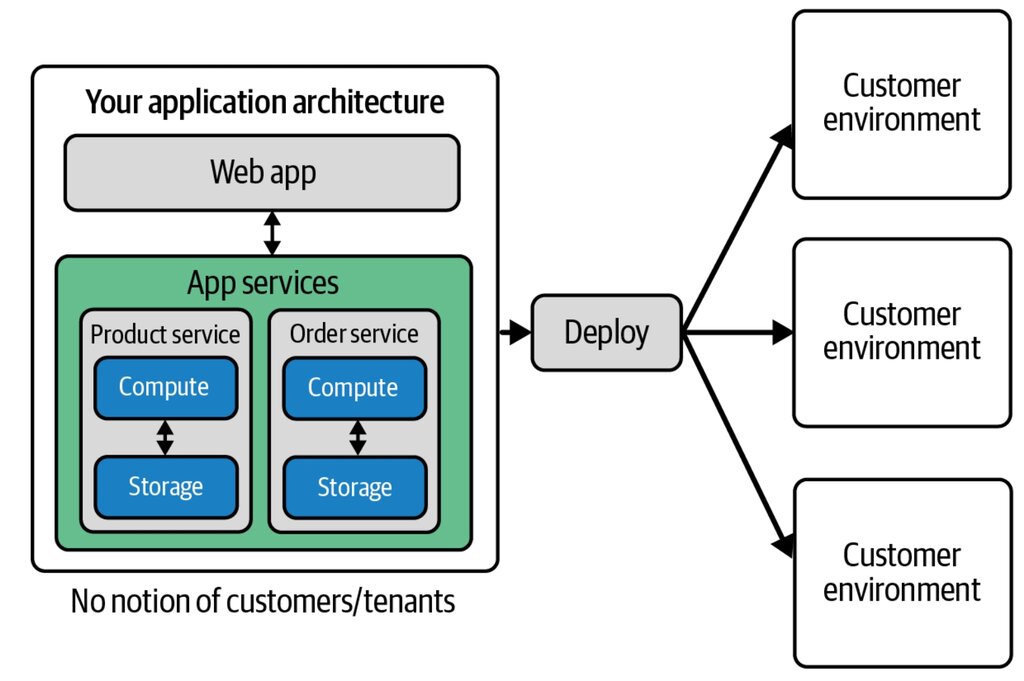
First, the attack surface is much larger. A traditional application might run on a single server. A cloud-native application might be made of hundreds of tiny, interconnected services. Securing one server is hard enough; securing hundreds of constantly communicating parts is a whole different level of complexity.
Second, the environment is ephemeral. This means servers and containers can be created and destroyed in seconds. This speed is great for developers but tough for security teams. How do you monitor something that might only exist for five minutes? Traditional security tools, which expect stable servers that stick around for months, can't keep up.
Finally, developers have more power than ever. With infrastructure-as-code (IaC), a developer can write a script that defines and launches an entire system. If that script contains a security misconfiguration, it can be deployed automatically, creating vulnerabilities at machine speed.
In the cloud-native world, security can't be an afterthought. It has to be built into the development process from the very beginning.
Understanding these basics, from the shared responsibility model to the unique challenges of modern applications, is the first step. They form the foundation for building and maintaining a secure presence in the cloud.