Closet Decluttering Mastery
Understanding Clutter
What is Clutter?
Clutter is an excess of possessions that collectively create a sense of disorder. It's the stuff that gets in the way, both physically and mentally. While we often think of clutter as piles of papers or overstuffed closets, it comes in many forms.
Physical clutter is the most obvious kind: things you can see and touch that don’t have a proper home. Digital clutter includes a desktop crowded with files or an inbox with thousands of unread emails. Mental clutter refers to the overwhelming number of thoughts, worries, and to-dos swirling in your head.
Often, these types are connected. A messy desk can make it harder to think clearly, and a cluttered mind can make it difficult to find the motivation to clean up. Understanding clutter is the first step toward managing it.
The Psychology of Clutter
Living in a disorganized environment does more than just make a space look messy. It can have a real impact on your mood and ability to function.
Clutter isn’t just a physical problem; it’s also a psychological one.
Your brain is constantly processing information from your surroundings. When your space is filled with objects that aren't organized, your mind has to work overtime to filter out all the irrelevant stimuli. This can lead to a constant, low-grade stress that you might not even be aware of.
This visual noise makes it difficult to focus on what's important. It can also trigger feelings of anxiety, guilt, or embarrassment. Simply put, a chaotic environment can contribute to a chaotic mind.
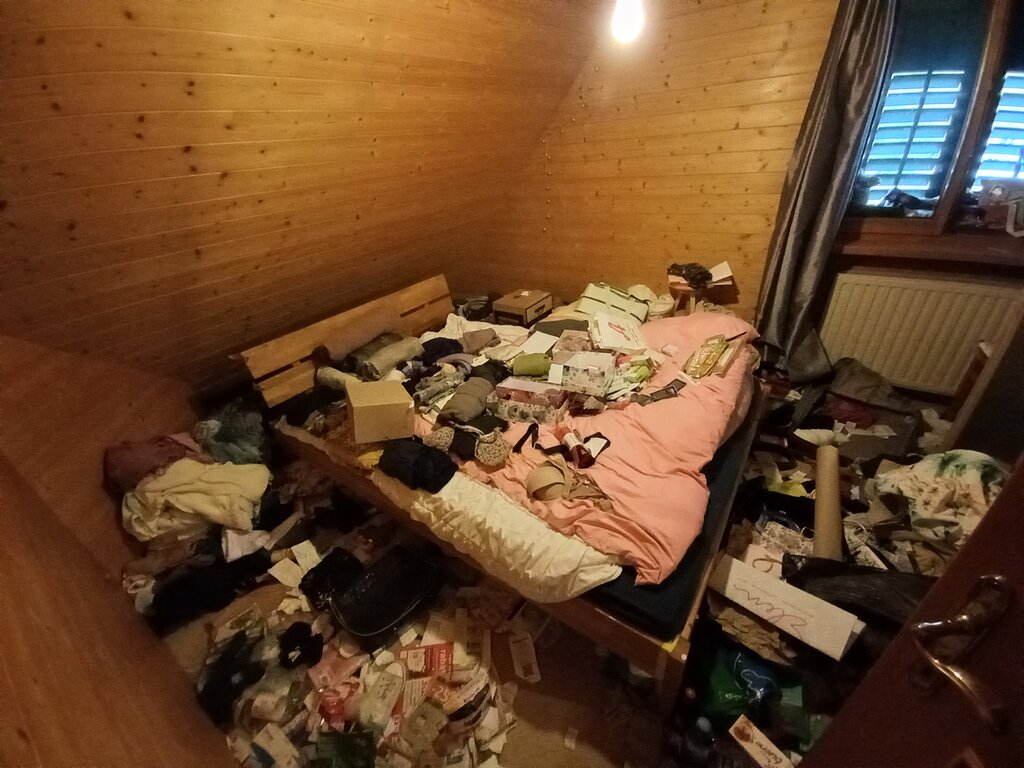
Why Closets Get Cluttered
Closets are a common clutter hotspot because they're out of sight. It’s easy to shut the door and forget about the mess inside. Several common habits and mindsets contribute to this problem.
- Emotional Attachment: We often hold onto items for sentimental reasons, even if we never use them. That old concert t-shirt or a dress from a special occasion can be hard to let go of.
- Impulsive Shopping: Buying something on sale or on a whim without considering if you truly need it or have space for it leads to a wardrobe full of tags and unworn clothes.
- "Just in Case" Mentality: We keep items we don't like or that don't fit, thinking we might need them someday. This can apply to clothes for a different job, a different season of life, or a different body size.
- Lack of an Organizational System: Without a clear place for everything, it's easy to just toss things into the closet. Over time, this creates a jumbled mess where you can't find what you're looking for.
The Payoff of a Clear Space
Decluttering is about more than just having a tidy home. It's about creating an environment that supports your well-being. A clutter-free space can lead to a clearer mind.
Organized closets simplify daily choices, reduce decision fatigue, and create a sense of control and stability that improves overall mental well-being
When your space is organized, you spend less time looking for things and more time doing what you love. It reduces daily friction, like figuring out what to wear in the morning. This small change can free up mental energy for more important decisions.
The benefits are both practical and psychological. You'll not only have a more functional and visually appealing space, but you'll also likely feel calmer, more focused, and more in control of your life.
Ready to check your understanding?
According to the text, how does a disorganized environment primarily affect your brain?
Which of the following is NOT listed as a common reason for closet clutter?
Now that you understand what clutter is and how it affects you, you're ready to learn the strategies to tackle it.