Clinical Trials in the US and UK
Introduction to Clinical Trials
What Is a Clinical Trial?
A clinical trial is a research study involving human volunteers that aims to answer specific health questions. Most often, they are used to determine whether new drugs, diets, or medical devices are safe and effective for people to use.
Think of it like developing a new recipe. A chef first tries the recipe on a small group of friends to see if they like it and if it's safe to eat (no one gets a stomach ache). If that goes well, they might serve it as a special to a few tables to gather more feedback. Only after confirming that the dish is consistently good and well-received would they add it to the main menu. Clinical trials follow a similar, but far more rigorous, path to ensure new medical treatments are both safe and helpful before they become widely available.
The Ethical Compass
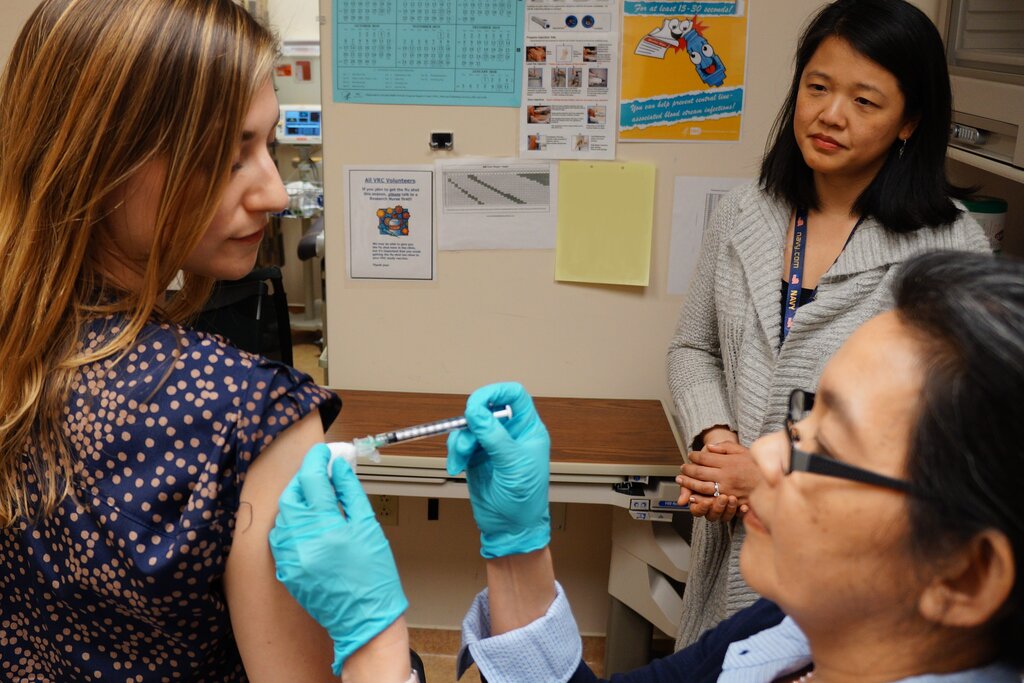
Because clinical trials involve people, they are guided by strict ethical principles to protect participants. The well-being of the volunteer always comes first.
Informed Consent
noun
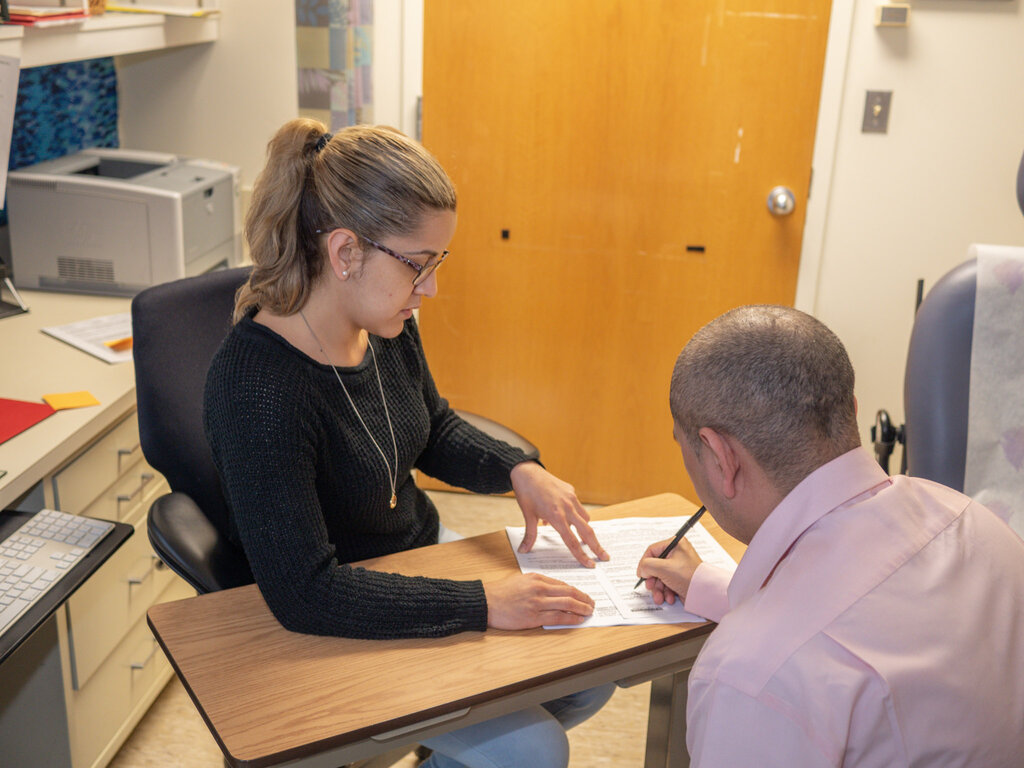
The process where a volunteer, after understanding all the facts of a study, agrees to participate. This includes learning about potential risks and benefits. Consent is not a one-time event; it's an ongoing conversation, and a participant can withdraw at any time.
Beyond informed consent, researchers must weigh the potential benefits against the risks. The goal is to maximize good (beneficence) and minimize harm (non-maleficence). Lastly, the principle of justice ensures that the selection of participants is fair and doesn't exploit vulnerable populations. The burdens and benefits of the research should be distributed equitably.
The Four Phases
Clinical trials are typically conducted in a series of steps called phases. Each phase has a different purpose and helps researchers answer different questions. If a treatment fails to meet its goals in one phase, it usually doesn't proceed to the next.
Preclinical studies using cell cultures and animal models are conducted before any human testing begins. If those results are promising, the developer can apply to start a clinical trial.
- Phase I trials test a new treatment on a small group of healthy volunteers for the first time to evaluate its safety, determine a safe dosage range, and identify side effects.
- Phase II trials give the treatment to a larger group of people (who have the condition) to see if it is effective and to further evaluate its safety.
- Phase III trials give the treatment to large groups of people to confirm its effectiveness, monitor side effects, compare it to commonly used treatments, and collect information that will allow it to be used safely.
- Phase IV trials are done after the treatment has been marketed. These studies continue to collect information about the treatment's effect in various populations and any side effects associated with long-term use.
Rules of the Road
To ensure trials are conducted ethically and safely, governments have regulatory bodies to oversee the process. In the United States, the Food and Drug Administration (FDA) is the main governing agency. It reviews the results from clinical trials to decide if a new treatment is safe and effective enough to be approved for public use.

In the United Kingdom, the equivalent body is the Medicines and Healthcare products Regulatory Agency (MHRA). While both the FDA and MHRA share the same fundamental goal of protecting public health, their specific procedures and legal frameworks can differ. For instance, the U.K.'s regulations have historically been aligned with those of the European Union, though this has evolved.
Regardless of the country, the purpose of this oversight is the same: to ensure that any new treatment reaching the public has been thoroughly vetted through a well-designed, ethical, and scientifically sound process.
The amended clinical trials regulations represent the most significant overhaul to the regulations in 20 years.
These foundational concepts of what trials are, their ethical underpinnings, phased structure, and regulatory oversight form the basis for all pharmaceutical development.
What is the primary purpose of a Phase I clinical trial?
The ethical principle of ensuring that the selection of participants is fair and the burdens of research are not placed on vulnerable populations is called: