Clinical Trials Explained
Introduction to Clinical Trials
What Are Clinical Trials?
Clinical trials are research studies that test how well new medical approaches work in people. They are the primary way researchers find out if a new treatment, like a new drug or diet, is safe and effective.
Think of it like this: before a chef adds a new dish to their restaurant's menu, they test the recipe multiple times. They try different ingredients, adjust cooking times, and ask a few trusted customers for feedback. They want to make sure the dish is delicious and safe to eat before serving it to everyone.
Clinical trials do something similar for medicine. They are carefully designed experiments to test new treatments on volunteers before they can be approved for the general public. Every single drug, vaccine, or medical device you've ever used has gone through this process.
Types of Trials
Not all clinical trials involve testing a new drug. They generally fall into two main categories: observational and interventional.
Observational studies are exactly what they sound like. Researchers observe groups of people and collect data without introducing any new treatment. They might track the health of people with different lifestyles to find patterns or risk factors for a disease. The researchers don't intervene; they just watch and learn.
Interventional studies, on the other hand, are when researchers introduce a specific intervention or treatment to a group of participants. The goal is to determine if the intervention has an effect. This is the type of study most people think of when they hear "clinical trial."
| Type | Goal | Researcher's Role |
|---|---|---|
| Observational | To find patterns or correlations | Observe and collect data |
| Interventional | To determine cause and effect | Introduce a treatment and measure outcomes |
The Four Phases
Interventional trials for a new drug typically proceed through four phases. Each phase is like a level in a video game, with its own mission and increasing difficulty. A treatment must pass one phase before moving on to the next.
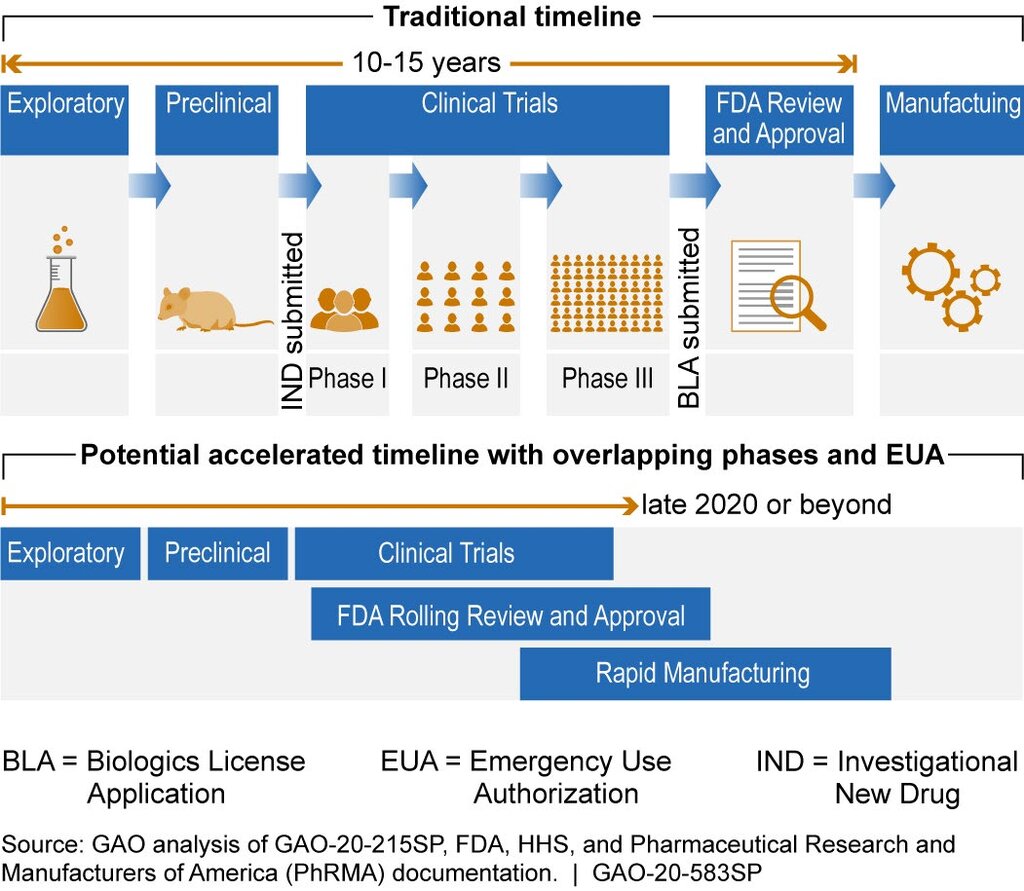
Phase I This is the first time a new drug is tested in humans. The group is very small, usually 20 to 80 healthy volunteers. The main goal here isn't to see if the drug works, but to check if it's safe. Researchers look for the best dosage and any potential side effects.
Phase II If the drug is found to be safe, it moves to Phase II. Now, it's tested on a larger group of people (usually 100-300) who actually have the condition the drug is meant to treat. The primary goal is to see if the drug is effective and to continue monitoring its safety.
Phase III This phase involves an even larger group of participants, from several hundred to several thousand. The goal is to confirm the drug's effectiveness, monitor side effects, compare it to commonly used treatments, and collect information that will allow the drug to be used safely.
Phase IV After a drug is approved and available to the public, Phase IV studies begin. These are also called post-marketing surveillance trials. They track the drug's safety and effectiveness in large, diverse populations over a long period of time. Sometimes, rare side effects only become apparent after a drug has been used by millions of people.
Protecting Participants
Clinical trials are only possible because of volunteers. Protecting their health, rights, and privacy is the most important part of the entire process. Several ethical guidelines are in place to ensure this protection.
One of these is anyone taking part in a trial must have a full understanding of the objectives of the research and any risks and potential inconveniences they may experience when taking part.
The cornerstone of this protection is a process called informed consent.
Informed Consent
noun
A process in which a participant is given all the important information about a clinical trial before deciding whether to participate. This includes details about the study's purpose, procedures, potential risks, and potential benefits.
Informed consent isn't just a form to sign. It's an ongoing conversation between the research team and the participant. Participants have the right to ask questions at any time and can choose to leave the study at any point, for any reason, without penalty. This ensures that participation is always voluntary and based on a clear understanding of what's involved.
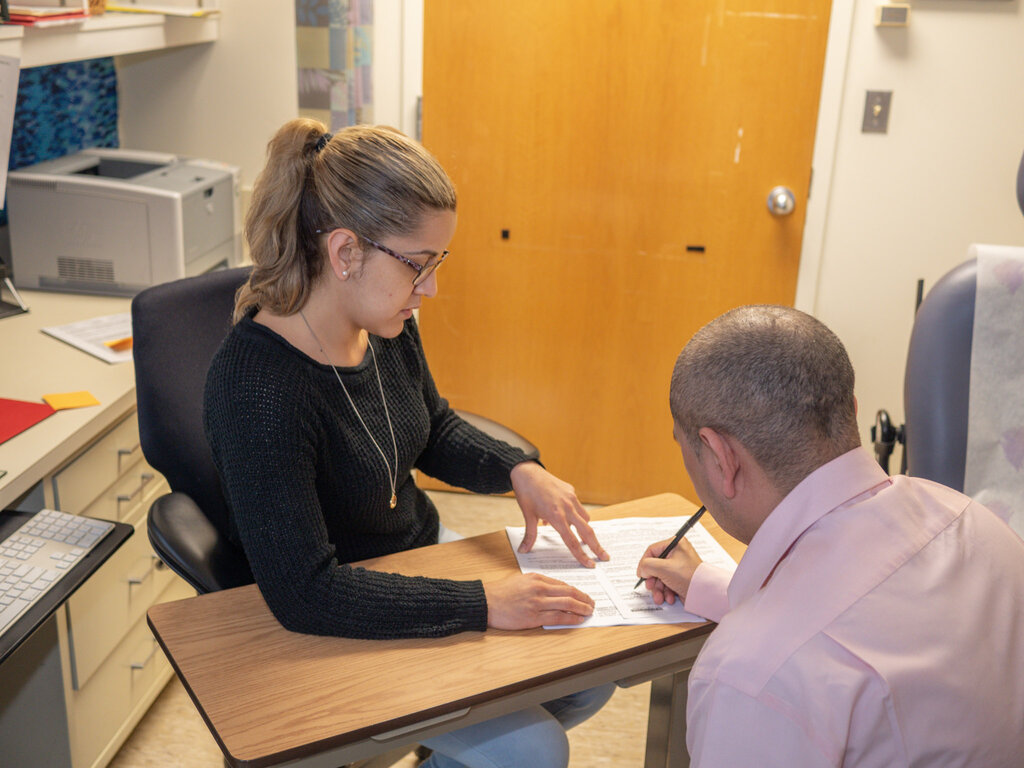
Special committees called Institutional Review Boards (IRBs) also review and monitor clinical trials to ensure they are ethical and that the rights of participants are protected. By combining these safeguards, clinical trials can advance medical science while putting the well-being of volunteers first.
What is the primary goal of a Phase I clinical trial?
Informed consent is a one-time process where a participant signs a form at the beginning of a clinical trial.
These foundational concepts are the building blocks for understanding how new medicines and treatments are developed and approved.