Clinical Strategies for Reversing Prediabetes
Restoring Insulin Sensitivity
The Vicious Cycle of Hyperinsulinemia
When the body is persistently exposed to high levels of glucose, the pancreas responds by secreting more insulin. This state, known as hyperinsulinemia, is the starting point for insulin resistance. Initially, this is a compensatory mechanism. However, over time, cells in muscle, fat, and the liver begin to down-regulate their insulin receptors to protect themselves from the overwhelming signal. It’s a classic case of cellular desensitization. The result is a vicious cycle: reduced receptor sensitivity means glucose isn't cleared from the blood effectively, signaling the pancreas to release even more insulin, which in turn deepens the resistance.
This cycle places immense metabolic stress on the pancreatic beta cells. They are forced to work overtime, leading to hypertrophy and, eventually, potential exhaustion and dysfunction. The core of reversing this state isn't just about managing blood glucose, but about breaking this feedback loop and restoring the sensitivity of the cells themselves.
Waking Up the Receptors
The primary mechanism for moving glucose from the bloodstream into muscle and adipose tissue is through a protein called Glucose Transporter Type 4, or GLUT4. Think of GLUT4 as a gate that is normally kept inside the cell within small bubbles called vesicles. When insulin binds to its receptor on the cell surface, it triggers a complex intracellular signaling cascade. This cascade is the command that tells the vesicles to move to the cell membrane, fuse with it, and embed the into the surface. These gates are now open, allowing glucose to flood into the cell and be used for energy or stored as glycogen.
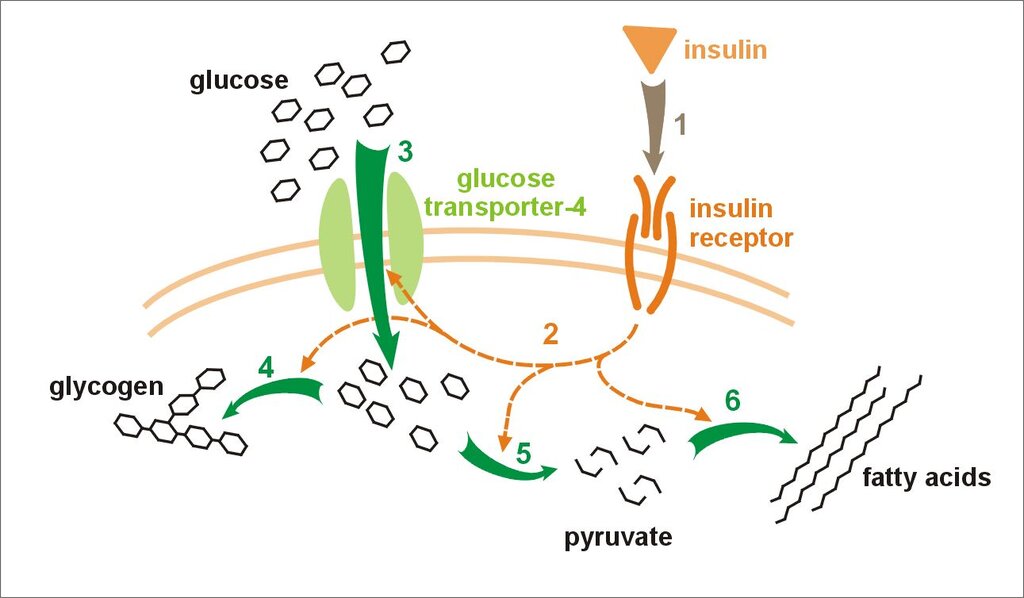
Crucially, insulin is not the only trigger for GLUT4 translocation. Muscle contraction during physical exercise initiates a separate, insulin-independent signaling pathway that also summons GLUT4 to the cell surface. This is a powerful backdoor for glucose uptake. It means that even in a state of insulin resistance, exercise can force glucose into muscle cells, lowering blood sugar levels without requiring the pancreas to produce more insulin. This is a key physiological lever for up-regulating insulin sensitivity.
Giving Beta Cells a Break
The goal of restoring metabolic health is to achieve . This doesn't mean stopping their function, but rather alleviating the chronic, high-demand state imposed by hyperinsulinemia. By increasing insulin sensitivity in peripheral tissues through diet and exercise, the body needs far less insulin to manage the same amount of glucose. This reduced demand gives the beta cells a much-needed break.
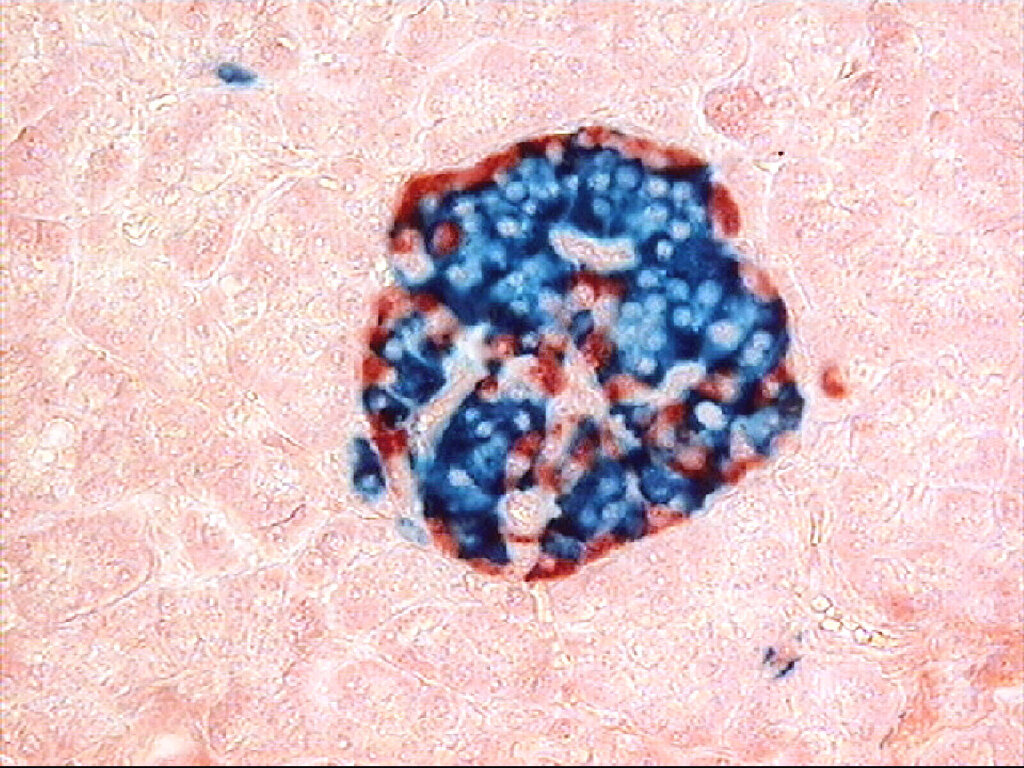
This period of lower demand allows the beta cells to recover. The endoplasmic reticulum stress subsides, protein-folding machinery can catch up, and the cell's overall health improves. This functional recovery is the difference between simple glycemic control—using medications to manage blood sugar numbers—and true metabolic restoration. The aim is to repair the underlying system, not just treat the symptom. By reducing the insulin load, we allow the body's natural regulatory mechanisms to come back online, preserving beta-cell function for the long term.
What is the initial response of the pancreas when the body is persistently exposed to high levels of glucose?
What is the primary function of the Glucose Transporter Type 4 (GLUT4)?