Clinical SAS Programming Essentials
Introduction to Clinical Trials
The Journey of a New Treatment
Before any new medicine, vaccine, or medical device reaches the public, it must go through a careful and rigorous testing process. This process is called a clinical trial. At its core, a clinical trial is a research study involving human volunteers that aims to answer specific questions about a new treatment's safety and effectiveness.
The goal is simple: to find better ways to prevent, screen for, diagnose, or treat a disease.
Think of it as a journey with several checkpoints, known as phases. Each phase is designed to answer different questions, and the treatment must pass one phase before moving on to the next. This step-by-step approach ensures that patient safety is the top priority.
The Four Phases of a Trial
Clinical trials are typically conducted in four sequential phases. The number of participants grows with each phase, and the research questions become more complex.
Phase I trials are the very first step. They usually involve a small number of healthy volunteers. The primary goal is to assess the new treatment's safety, determine a safe dosage range, and identify side effects.
If the treatment proves safe in Phase I, it moves to Phase II. Here, the study involves a larger group of people who have the specific condition the treatment is designed for. The main questions are: Does the treatment work? What is its effectiveness, and what are the short-term side effects?
Phase III trials are much larger, often involving thousands of participants across many locations. These studies are designed to confirm the treatment's effectiveness, monitor side effects, and compare it to commonly used treatments. Successful Phase III trials provide the data that regulatory agencies need to approve the treatment for public use.
Finally, Phase IV studies take place after the treatment has been approved and is on the market. These post-marketing studies track the treatment's safety in a large, diverse population over a longer period. They can also explore new uses for the treatment or find more information about its long-term risks and benefits.
Key Players in a Trial
Running a successful clinical trial requires a coordinated effort from a team of dedicated professionals and volunteers.
| Role | Responsibility |
|---|---|
| Sponsor | The organization (e.g., a pharmaceutical company or research institution) that initiates, manages, and funds the study. |
| Principal Investigator (PI) | A qualified physician who leads the research team at a specific trial site. The PI is responsible for conducting the trial according to the plan and for the well-being of the participants. |
| Clinical Research Coordinator (CRC) | Works under the PI's supervision to manage the day-to-day operations of the trial, including data collection and participant communication. |
| Participant | A volunteer who agrees to take part in the study. Participants are the most important part of any clinical trial. |
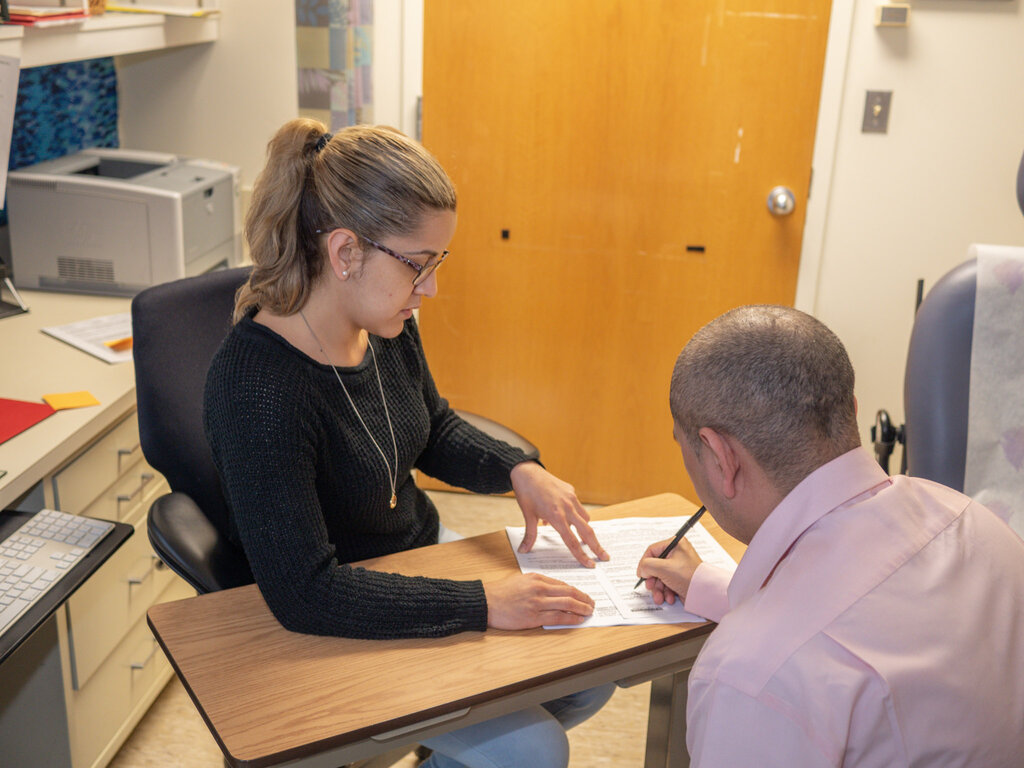
Before anyone can join a trial, they must give their informed consent. This means they receive detailed information about the study, including its purpose, procedures, potential risks, and benefits. They can then make an informed decision about whether to participate.
The Rules of the Road
To ensure patient safety and data integrity, clinical trials are highly regulated. Several key guidelines and regulations set the standard for how trials must be conducted.
GCP
other
Good Clinical Practice is an international ethical and scientific quality standard for designing, conducting, recording, and reporting trials that involve human subjects.
One of the cornerstones is the set of guidelines from the International Council for Harmonisation (ICH). ICH brings together regulatory authorities and the pharmaceutical industry to discuss scientific and technical aspects of drug registration. Their Good Clinical Practice (GCP) guidelines are the gold standard for clinical trials around the world.
In the United States, the Food and Drug Administration (FDA) has its own set of rules. A critical one for data is 21 CFR Part 11. This regulation establishes the FDA's criteria for accepting electronic records and electronic signatures as trustworthy and equivalent to paper records. It's essential for ensuring that the massive amounts of data collected in a trial are secure, reliable, and not tampered with.
When using electronic trial data handling and/or remote electronic trial data systems, the sponsor would: a) Ensure and document that the electronic data processing system(s) conforms to the sponsor’s established requirements for completeness, accuracy, reliability and consistent intended performance (i.e. validation). b) Maintain SOPs for using these systems. c) Maintain a security system that prevents unauthorized access to the data. d) Maintain adequate back-up of the data.
Another crucial layer of protection is the Institutional Review Board (IRB), also known as an Ethics Committee. This independent body is made up of medical, scientific, and non-scientific members. Their job is to review, approve, and monitor all research involving humans to ensure that the risks are minimized and that the rights and welfare of participants are protected.
What is the primary purpose of a Phase I clinical trial?
Which entity is responsible for reviewing clinical trial plans to ensure the rights and welfare of human participants are protected?
These phases, roles, and regulations form the foundation of modern clinical research, ensuring that new treatments are developed safely and ethically.