Clinical Perspectives on Mental Health Disorders
Mood Disorders Spectrum
Beyond Serotonin
For decades, the leading theory for mood disorders was the — the idea that depression stemmed from a chemical imbalance, specifically a shortage of neurotransmitters like serotonin, norepinephrine, and dopamine. This model led to the development of selective serotonin reuptake inhibitors (SSRIs), which work by increasing the amount of serotonin available in the brain. While helpful for many, SSRIs don't work for everyone, and their effects can take weeks to appear, suggesting the full story is more complex.
More recent research points to a different culprit: neuroplasticity. This view suggests that chronic stress can damage neurons and disrupt connections, particularly in areas like the hippocampus and prefrontal cortex, which are vital for mood regulation and cognitive function. In this model, depression is less about a simple lack of chemicals and more about a breakdown in brain circuitry. The focus shifts to factors that promote neural growth and repair.
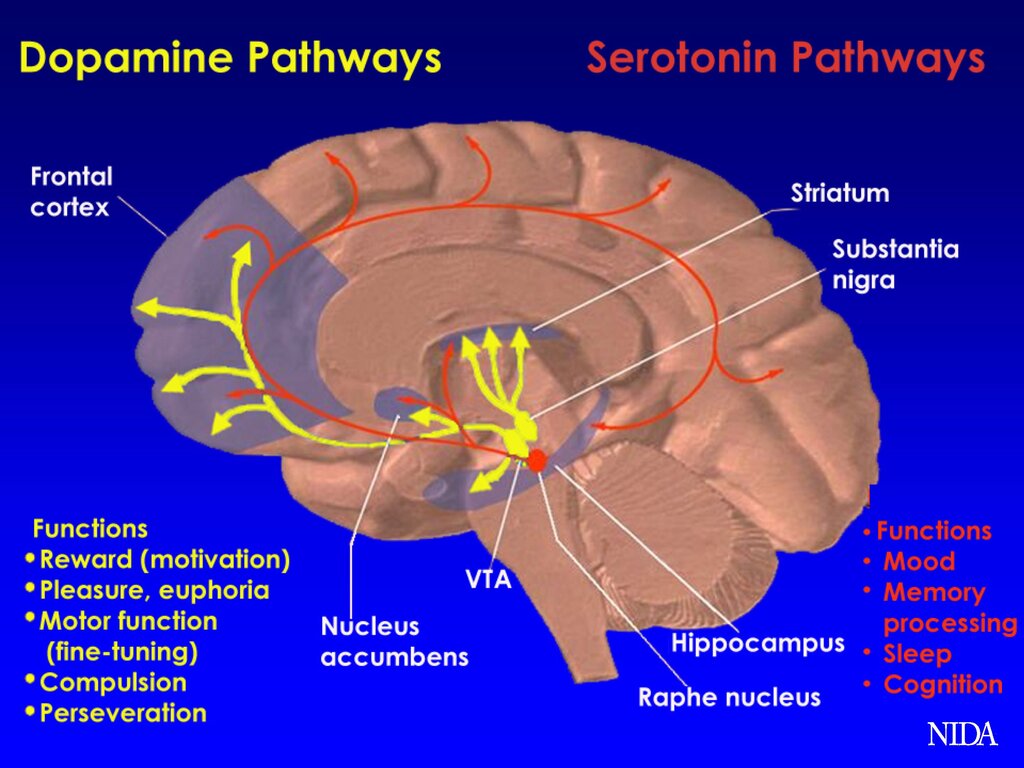
Two key players in this newer model are glutamate and Brain-Derived Neurotrophic Factor (BDNF). Glutamate is the brain's primary excitatory neurotransmitter, essential for synaptic plasticity, the process that allows brain circuits to adapt. BDNF acts like a fertilizer for neurons, promoting their survival, growth, and the formation of new connections. In people with major depression, levels of BDNF are often found to be lower. Treatments that work, including antidepressants and even exercise, appear to boost BDNF levels, helping to repair and rebuild damaged neural pathways.
The Bipolar Spectrum
Bipolar disorder is defined by its dramatic shifts between depression and mania or hypomania. Distinguishing between them is critical for diagnosis. According to the DSM-5-TR, the key difference is severity and duration.
A manic episode involves a period of abnormally elevated or irritable mood lasting at least one week. The symptoms are severe enough to cause significant impairment in social or occupational functioning, and may require hospitalization or include psychotic features.
A hypomanic episode, by contrast, is a less severe version. The mood shift lasts at least four consecutive days but is not severe enough to cause major impairment in functioning or require hospitalization. The change is noticeable to others, but the person can often continue with their daily routines.
This distinction is what separates Bipolar I from Bipolar II disorder.
| Feature | Bipolar I Disorder | Bipolar II Disorder |
|---|---|---|
| Defining Episode | At least one manic episode | At least one hypomanic episode AND one major depressive episode |
| Mania | Full manic episodes required | Hypomanic episodes only; no full mania |
| Depression | Major depressive episodes are common but not required for diagnosis | Major depressive episodes are required for diagnosis |
| Impairment | Often severe, may involve psychosis or hospitalization | Less severe; functioning is impacted but not grossly impaired |
One of the greatest clinical challenges is distinguishing Bipolar II disorder from unipolar depression (MDD). Patients often seek help during depressive episodes, not realizing their periods of high energy and productivity were hypomania. An incorrect diagnosis can lead to treatment with antidepressants alone, which can sometimes trigger a manic episode in a person with underlying bipolar disorder. This is why a thorough history of a patient's mood states is so important.
Then there's Cyclothymic Disorder, a milder but more chronic form on the bipolar spectrum. It involves numerous periods of hypomanic symptoms and depressive symptoms that don't meet the full criteria for an episode. These ups and downs persist for at least two years, creating a persistent pattern of instability.
Stabilizing the System
Treating bipolar disorders requires a different approach than treating unipolar depression. The goal is mood stabilization, preventing swings in either direction. This is where mood stabilizers come in.
Lithium is one of the oldest and most effective treatments, particularly for classic Bipolar I mania. It has a narrow therapeutic window, meaning the dose must be carefully monitored to be effective without becoming toxic. How it works isn't fully understood, but it seems to influence several intracellular signaling pathways and may have neuroprotective effects.
Other common options include anticonvulsant medications like Lamotrigine and Valproic Acid. Lamotrigine is often more effective at preventing depressive relapses than manic ones, making it a good choice for Bipolar II. Valproic Acid is effective for acute mania and mixed states. Each comes with its own trade-offs and side effect profiles, requiring careful selection based on the individual's specific symptoms and history.
The use of antidepressants in bipolar disorder is controversial. While they can help lift a severe depressive episode, they carry the risk of inducing a switch into mania or hypomania, or even accelerating the cycle of episodes. For this reason, they are typically used cautiously and almost always in combination with a mood stabilizer.
The "monoamine hypothesis" of depression primarily suggests that the condition is caused by:
According to the DSM-5-TR, a key distinction between a hypomanic episode and a manic episode is that a hypomanic episode:
Understanding the nuances of the mood disorder spectrum is key to accurate diagnosis and effective, long-term management that helps individuals regain stability and control over their lives.