Clinical Medical Terminology Mastery
Cardiovascular Clinical Terminology
When Arteries Clog
The heart's own blood supply comes from the coronary arteries. When these vessels narrow, it causes problems. This narrowing is most often due to , a process where fatty deposits, cholesterol, and other substances build up into structures called plaques inside the artery walls. Think of it like old plumbing pipes getting clogged over time.
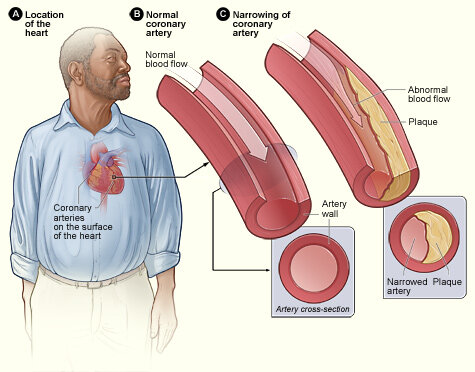
This narrowing reduces blood flow to the heart muscle, a state known as ischemia. When the heart muscle doesn't get enough oxygen-rich blood, it can't function properly. The classic symptom of this is a type of chest pain called angina pectoris – often described as a pressure, squeezing, or tightness. It’s the heart's way of sending a warning signal that it’s struggling.
From Warning to Emergency
Angina is a symptom, but what happens when a plaque becomes unstable and ruptures? This triggers a cascade of events that fall under the umbrella of Acute Coronary Syndrome (ACS). ACS refers to any condition brought on by a sudden reduction in blood flow to the heart.
If the blockage is severe and prolonged enough to cause the death of heart muscle tissue, it is a myocardial infarction (MI), commonly known as a heart attack. Not all ACS events result in an MI, but all MIs are a form of ACS.
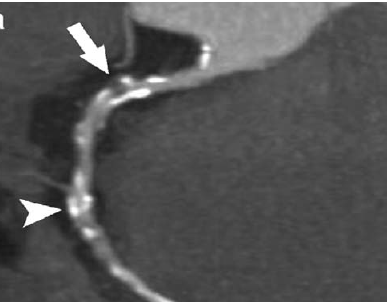
To diagnose these conditions, clinicians often use a coronary angiogram. This is a special X-ray procedure where a contrast dye is injected into the coronary arteries, making them visible. It allows doctors to see exactly where and how severe the blockages are.
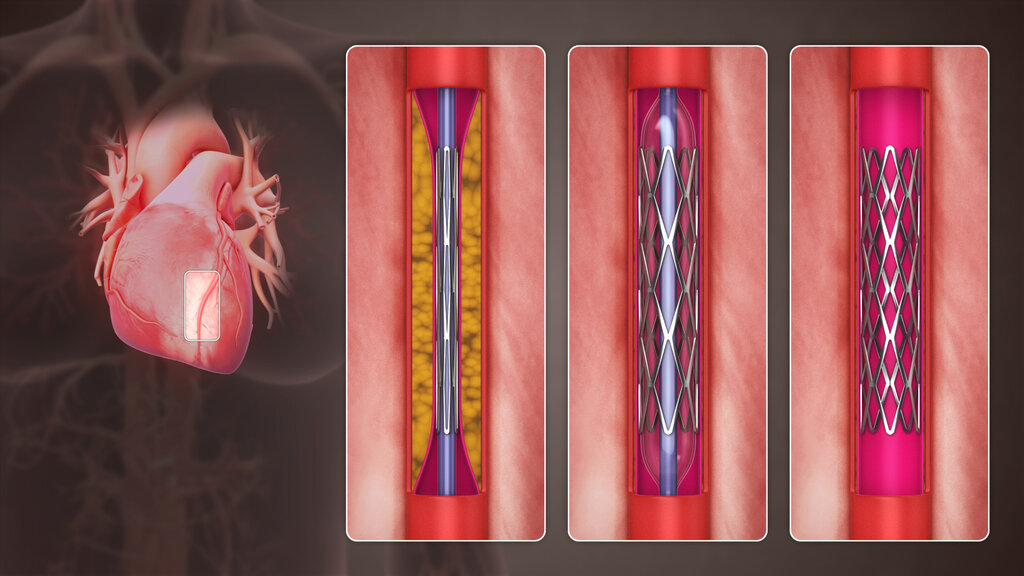
Once a blockage is found, a common procedure is a percutaneous transluminal angioplasty (PTA), often just called balloon angioplasty. A catheter with a tiny balloon is guided to the blockage and inflated, compressing the plaque and widening the artery. Often, a metal mesh tube called a stent is left in place to keep the artery open, a procedure known as endovascular stenting.
Valves and Rhythms
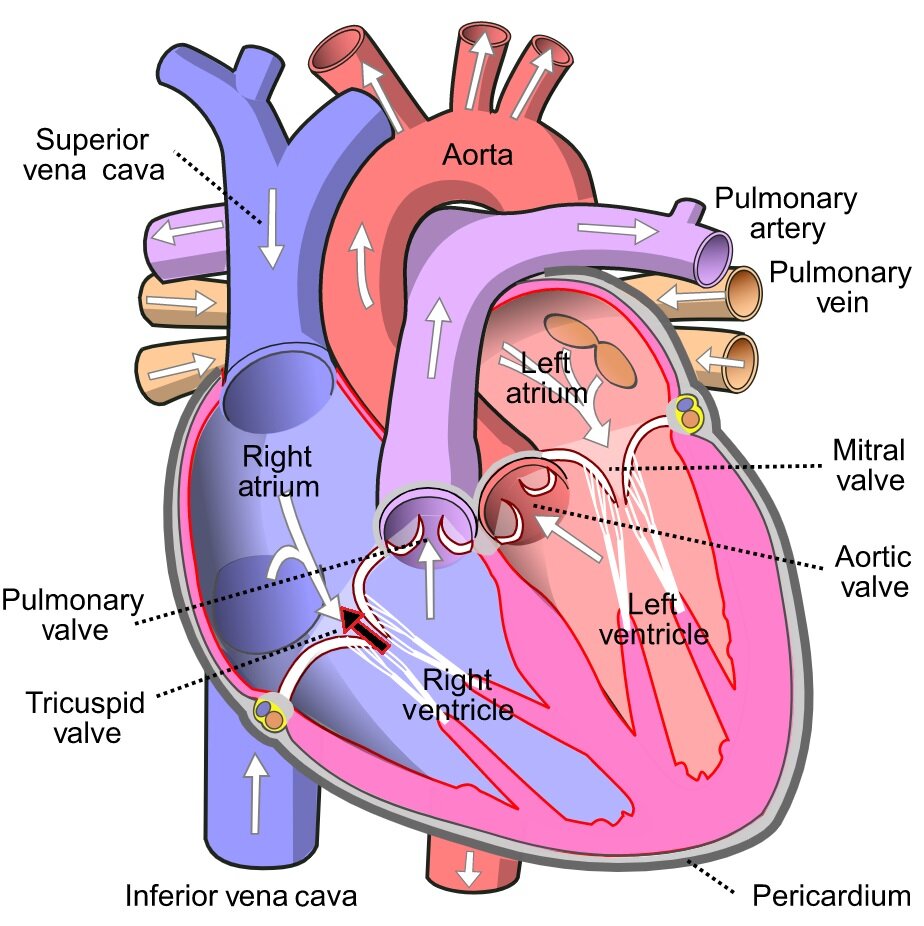
The heart also has four valves that act as one-way doors, ensuring blood flows in the correct direction. These valves can develop two main problems.
- Stenosis: The valve leaflets become stiff and narrowed, making it difficult for the valve to open fully. The heart has to work harder to pump blood through the smaller opening.
- Regurgitation (or Insufficiency): The valve doesn't close properly, allowing blood to leak backward. This reduces the efficiency of each pump.
Both conditions put extra strain on the heart over time.
Beyond plumbing, the heart has an electrical system that coordinates its beat. An arrhythmia is an irregular heartbeat. These are broadly classified by speed:
- Bradyarrhythmia: The heart beats too slowly (typically under 60 beats per minute).
- Tachyarrhythmia: The heart beats too quickly (typically over 100 beats per minute at rest).
One of the most common tachyarrhythmias is (AFib). In AFib, the heart's upper chambers (atria) quiver chaotically instead of beating effectively. This can lead to palpitations, shortness of breath, and an increased risk of stroke. To manage serious arrhythmias, doctors may implant a pacemaker to correct a slow heart rate or an Implantable Cardioverter-Defibrillator (ICD) to shock the heart back into a normal rhythm during a life-threatening tachyarrhythmia.
When the heart muscle is weakened by long-term damage from conditions like MIs or untreated valve disease, it can lead to congestive heart failure. This doesn't mean the heart has stopped; it means it can't pump effectively enough to meet the body's needs. This inefficiency causes fluid to back up in the body, leading to symptoms like pulmonary edema (fluid in the lungs, causing shortness of breath) and ascites (fluid in the abdomen).
What is the underlying process that most commonly causes the narrowing of coronary arteries?
A heart valve that doesn't close properly, allowing blood to leak backwards, is suffering from which condition?