Clinical Mastery of Osteoarthritis Management
Advanced Pathophysiology
The Joint as a Failing Organ
For decades, osteoarthritis (OA) was dismissed as simple “wear and tear.” The story was that joints, like old tires, just wear out over time. This view is incomplete. Modern understanding frames OA not as a disease of cartilage alone, but as the failure of the entire joint as a complex, living organ.
Osteoarthritis has long been considered a “wear-and-tear” disease — with repeated movement and a lifetime of activity, the cartilage and other connective tissues in our joints begin to erode.
In this model, the articular cartilage, the subchondral bone beneath it, and the synovial membrane that lines the joint are all active participants in a dysfunctional process. An imbalance between tissue breakdown (catabolism) and repair (anabolism) tips the scales toward progressive degeneration. It’s a dynamic biological process, not just a mechanical failure.
A Molecular Tsunami
Healthy articular cartilage is a marvel of biological engineering. Its extracellular matrix (ECM) is primarily composed of two key molecules: Type II collagen, which provides a strong, flexible scaffold, and proteoglycans like aggrecan, which draw in water to create a pressurized, shock-absorbing gel.
The central cells of cartilage, chondrocytes, are tasked with maintaining this delicate matrix. In OA, these cells become stressed by mechanical injury, inflammation, or metabolic changes. In response, they shift from a repair-focused state to a breakdown-focused one. They begin to overproduce enzymes that act like molecular scissors.
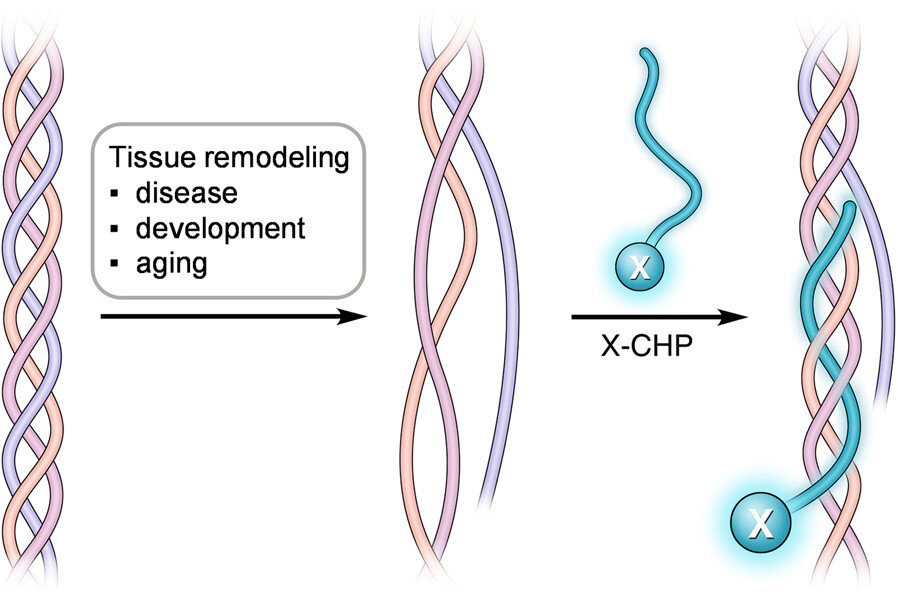
Two major enzyme families lead the charge. Matrix metalloproteinases (MMPs), particularly MMP-13, specialize in cleaving the tough Type II collagen fibers. Another group, known as ADAMTS (A Disintegrin and Metalloproteinase with Thrombospondin Motifs), specifically target and degrade aggrecan. This dual attack dismantles the cartilage from the inside out, stripping it of both its structural integrity and its cushioning ability.
The Bone's Response
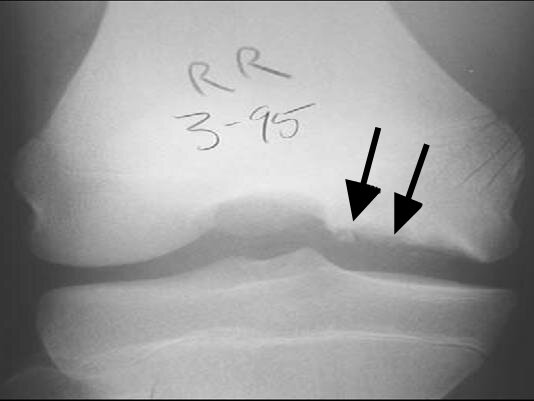
As the overlying cartilage thins and disappears, the subchondral bone is exposed to abnormal forces. It doesn't remain passive; it responds by remodeling aggressively. This process, however, is often pathological.
One key change is subchondral sclerosis, where the bone plate just beneath the cartilage becomes abnormally dense and stiff. While it might sound like a strengthening process, this hardened bone is actually less effective at absorbing shock, which further stresses the remaining cartilage. At the margins of the joint, the bone grows outward, forming bony spurs called osteophytes These growths can restrict movement and cause pain as they impinge on surrounding tissues.
These changes create a vicious cycle: damaged cartilage alters the load on the bone, and the bone's abnormal response further damages the cartilage.
Furthermore, small cysts can form within the subchondral bone, and bone marrow lesions—areas of swelling visible on MRI—often develop. These lesions are strongly associated with pain in OA patients, highlighting the bone's crucial role in the symptomatic experience of the disease.
The Inflammatory Cascade
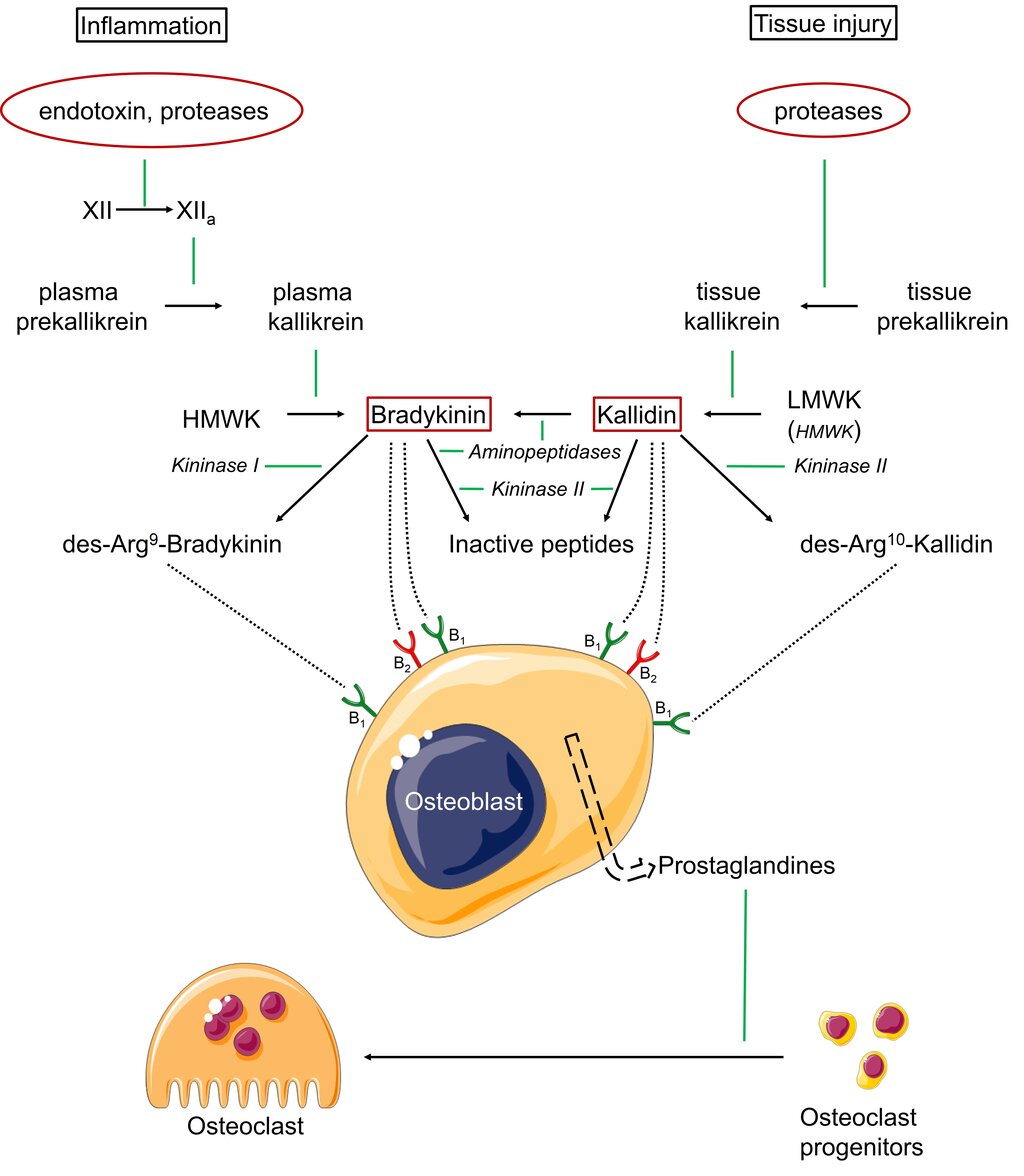
The final piece of the puzzle is inflammation. While OA isn't a classic autoimmune inflammatory disease like rheumatoid arthritis, a chronic, low-grade inflammation within the joint, known as synovitis, is a key driver of its progression.
The synovial membrane becomes inflamed and produces pro-inflammatory cytokines. Two of the most important are Interleukin-1 (IL-1) and Tumor Necrosis Factor-alpha (TNF-α). These signaling molecules pour into the synovial fluid and act directly on chondrocytes, pushing them to produce even more MMPs and ADAMTS enzymes. They also inhibit the chondrocytes' ability to synthesize new collagen and proteoglycans, further tipping the balance toward degradation.
This creates a destructive feedback loop: cartilage breakdown products irritate the synovial membrane, which releases cytokines that cause more cartilage breakdown. This modern, integrated view of molecular degradation, abnormal bone remodeling, and chronic inflammation explains why OA is a complex and progressive failure of the entire joint.
How does the modern understanding of osteoarthritis (OA) differ from the traditional "wear and tear" model?
In the progression of osteoarthritis, what is the primary role of enzymes like MMP-13 and ADAMTS?