Clinical Excellence in Biopsychosocial Psychiatry
Integrated Diagnostic Formulation
Beyond the Diagnosis
A psychiatric diagnosis, like 'Major Depressive Disorder', tells you what a person is experiencing. It’s a useful label, but it’s only the beginning of the story. A truly effective clinical assessment goes deeper to understand why this person is experiencing this condition, right now. This is where the biopsychosocial formulation comes in. It’s a dynamic narrative that synthesises a patient's unique biological, psychological, and social context.
To build this narrative, clinicians often use a framework built on three key types of factors: predisposing, precipitating, and perpetuating. Think of it as a way to organise the complex details of a person's life into a coherent clinical picture.
The goal is to move from a checklist of symptoms to a story of a person.
The Three P's Framework
Predisposing factors are the elements that create a background vulnerability. They set the stage for a potential issue long before it appears. This includes genetic predispositions, a family history of mental illness, neurochemical imbalances, or early life experiences like childhood trauma. These factors increase the likelihood that a disorder might develop at some point.
Precipitating factors are the immediate triggers or stressors that lead to the onset of the current episode. They are the 'last straw' that pushes a vulnerable individual into a state of active illness. Common examples include a major life event like a bereavement, job loss, physical illness, or the end of a significant relationship.
Perpetuating factors are the forces that keep the problem going and prevent recovery. These can be ongoing social stressors like financial instability, a lack of social support, unhelpful coping mechanisms, or secondary health problems. They maintain the disorder once it has been triggered.
| Factor | Description | Example: Panic Disorder |
|---|---|---|
| Predisposing | Underlying vulnerability that increases risk. | Family history of anxiety; a tendency toward anxious sensitivity. |
| Precipitating | The immediate event that triggers the onset. | A stressful public speaking engagement. |
| Perpetuating | What keeps the problem going. | Avoidance of public spaces; catastrophic misinterpretation of physical symptoms. |
Weaving the Narrative
The real skill in formulation is not just listing these factors, but weaving them together to explain the connections between them. How did a biological predisposition interact with a psychological trigger? How are ongoing social circumstances preventing recovery? This process requires integrating diverse streams of information, from neurobiological data to a person's life history.
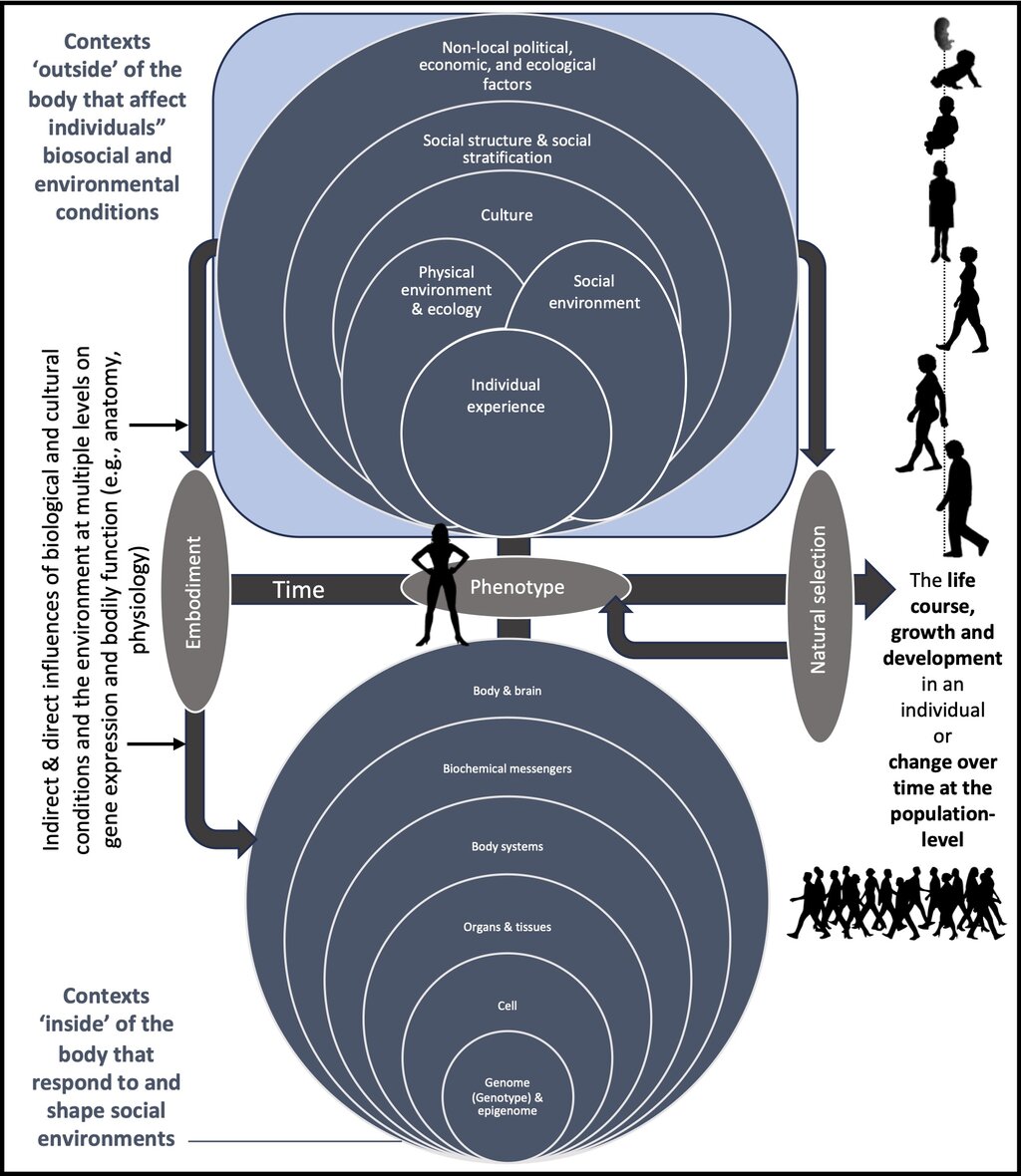
For example, a person's genetic loading for depression (a predisposing biological factor) might not manifest until they experience a significant personal loss (a precipitating psychological factor). Their ability to recover could then be hampered by living in unstable housing with limited access to healthcare, which are critical . Each piece of the puzzle informs the others.
This integrated view moves beyond a simple, one-size-fits-all diagnosis. It acknowledges that two people with the same diagnosis can have vastly different stories and, therefore, require different treatment approaches. One person's depression might be heavily influenced by their neurochemistry and respond well to medication, while another's might be more tied to trauma and social isolation, suggesting that psychotherapy and community support are priorities. This is the essence of in practice.
One of the priorities is to move from simply describing psychiatric disorders to understanding how they develop.
A complete formulation provides a hypothesis-driven road map. It guides treatment planning by identifying the key factors that need to be addressed to help the person recover, building a holistic and personalised path forward.
What is the primary goal of a biopsychosocial formulation in a clinical assessment?
In the context of a biopsychosocial formulation, a recent job loss that triggers an episode of anxiety would be classified as what type of factor?