Clinical Diabetes Patient Care
Glycemic Goal Setting
Beyond a Universal A1C Target
For years, an A1C of less than 7% was the universal goalpost in diabetes management. While simple, this one-size-fits-all approach is now outdated. The 2025 ADA/EASD standards emphasize a shift toward individualized glycemic goals, acknowledging that the optimal target is a delicate balance between the long-term benefits of tight control and the immediate risks of treatment, particularly hypoglycemia.
This patient-centered approach requires a clinical judgment that weighs multiple factors. Consider a newly diagnosed, 30-year-old patient with type 1 diabetes who is otherwise healthy and highly motivated. For this individual, a stringent A1C target of <6.5% is appropriate to minimize the long-term risk of microvascular complications. The long life expectancy justifies a more aggressive strategy.
Conversely, an 82-year-old patient with established cardiovascular disease, cognitive impairment, and a history of severe hypoglycemia requires a different calculus. Here, the risks of a hypoglycemic event—which could lead to a fall, fracture, or cardiac arrhythmia—far outweigh the benefits of intensive glucose control. A more lenient A1C target, perhaps <8.0% or even 8.5%, prioritizes safety and quality of life over a specific number.
The core principle is to match the intensity of glycemic control to the patient's capacity to benefit from it and their vulnerability to its risks.
The Rich Data of CGM
The A1C, while a valuable measure of average glycemia over 2-3 months, has significant limitations. It reveals nothing about glycemic variability, time spent in hypoglycemia, or postprandial spikes. This is where Continuous Glucose Monitoring (CGM) has revolutionized goal setting. CGM provides a dynamic, moment-to-moment picture of glucose levels, enabling a more nuanced assessment of a patient's glycemic status.
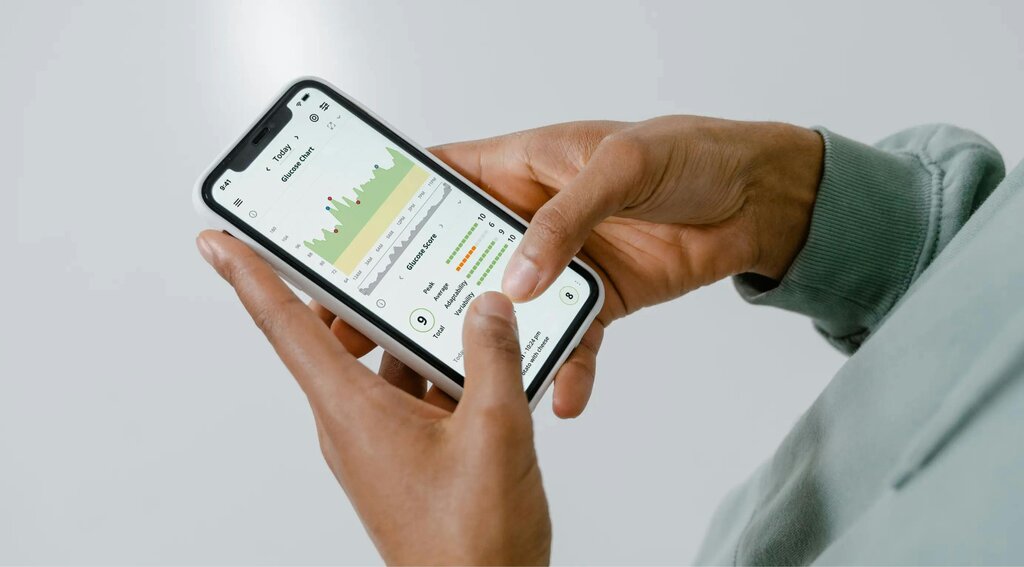
The primary metric derived from CGM is (TIR), which is the percentage of time a person's glucose levels are within a target range, typically 70–180 mg/dL (3.9–10.0 mmol/L). The consensus goal for most adults with type 1 or type 2 diabetes is a TIR of ≥70%. This is often accompanied by goals for Time Below Range (TBR, <70 mg/dL) of <4% and Time Above Range (TAR, >180 mg/dL) of <25%. Another key metric is the (GMI), an estimate of A1C calculated from average CGM glucose data. It helps correlate CGM trends with the familiar A1C scale.
Assessing Variability and Hypoglycemia
Two patients can have an identical A1C and TIR but still have very different glycemic patterns. One might have smooth, gentle fluctuations, while the other experiences rapid, high-amplitude swings. This is known as glycemic variability (GV), and it's an independent risk factor for adverse outcomes. The standard metric for measuring GV from CGM data is the coefficient of variation (CV).
A CV of ≤36% is the recommended target for stable glucose control. A higher CV suggests significant glucose volatility, which can be stressful for the patient and is associated with increased oxidative stress and a higher risk of hypoglycemia. This brings us to a critical, often underappreciated, aspect of patient assessment: —a condition where individuals, typically with long-standing diabetes, no longer experience the typical autonomic warning symptoms of low blood sugar. These patients are at extremely high risk for severe hypoglycemic events, making lenient glycemic targets and a focus on minimizing Time Below Range (<4%) paramount.
| Patient Profile | A1C Target | TIR Target (>70-180 mg/dL) | Key Considerations |
|---|---|---|---|
| Young, healthy, recent onset | <6.5% - 7.0% | >70% | Maximize long-term complication prevention. Low risk of hypoglycemia. |
| Older, comorbidities, high hypoglycemia risk | <8.0% | >50% (TBR <1%) | Prioritize safety. Avoid hypoglycemia at all costs. |
| Pregnant (pre-existing diabetes) | <6.5% (if achievable without significant hypoglycemia) | >70% (TIR 63-140 mg/dL) | Tight control crucial for fetal outcomes, but hypoglycemia risk is high. |
| Limited life expectancy | Loosen goals based on individual assessment | Focus on symptom avoidance | Quality of life is the primary goal. Avoid burdensome treatment regimens. |
Moving beyond a single A1C number to a holistic view that incorporates CGM data, hypoglycemia risk, and patient-specific factors is the cornerstone of modern diabetes care. This approach allows clinicians to craft a truly personalized management plan that is both effective and safe.
According to the 2025 ADA/EASD standards, which A1C target would be most appropriate for an 82-year-old patient with established cardiovascular disease and a history of severe hypoglycemia?
The primary metric derived from Continuous Glucose Monitoring (CGM) that measures the percentage of time a person's glucose is within the target range is known as __________.