Clinical Applications of Analgesic Pharmacology
NSAID Receptor Dynamics
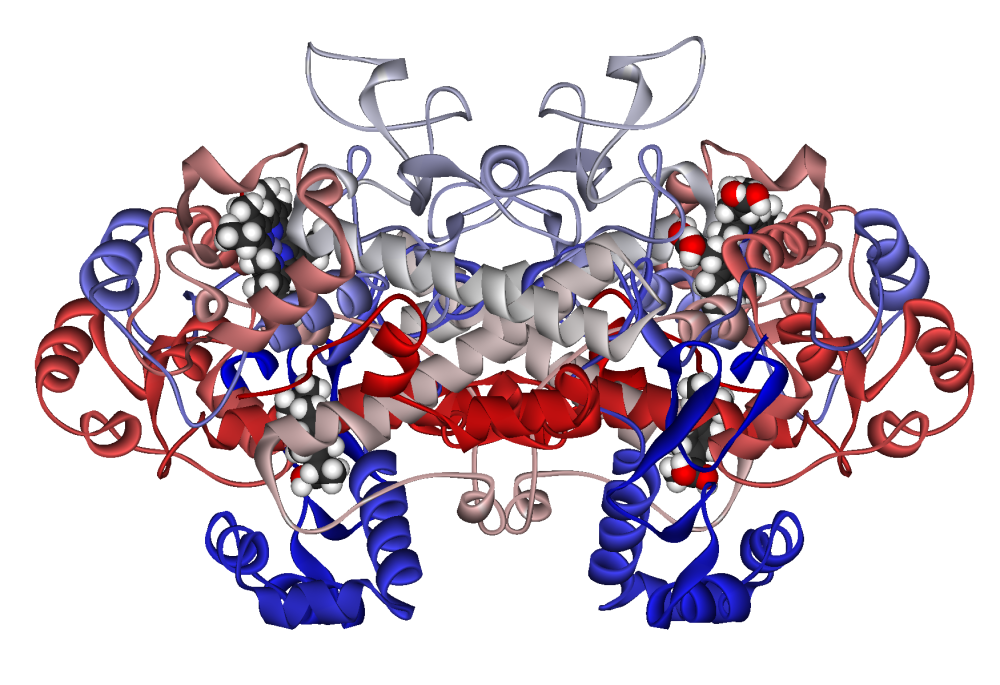
COX Enzymes: The Two Targets
At the heart of how NSAIDs work are two enzymes: cyclooxygenase-1 (COX-1) and cyclooxygenase-2 (COX-2). Think of them as two different workers in the body's chemical factory. COX-1 is the steady, reliable worker, always on duty. It produces prostaglandins that perform essential housekeeping tasks, like protecting the stomach lining from its own acid and ensuring adequate blood flow to the kidneys. It's constitutively expressed, meaning it's always present in tissues.
COX-2, on the other hand, is the specialist called in for emergencies. It's an inducible enzyme, meaning its production ramps up significantly at sites of injury and inflammation. The prostaglandins it creates are major players in signaling pain, fever, and swelling. Because these two enzymes have different jobs and slightly different structures, they present distinct targets for drug therapy.
This structural difference is crucial. Non-selective NSAIDs like ibuprofen and naproxen are small enough to fit into the active sites of both enzymes. Selective COX-2 inhibitors (often called "coxibs") are bulkier drugs designed specifically to fit into the larger active site of COX-2, preventing them from significantly affecting COX-1 at therapeutic doses. This selectivity is the key to reducing certain side effects, but it also introduces new risks.
A Tale of Two Inhibitions
NSAIDs don't just differ in which COX enzyme they target; they also differ in how they block it. Most NSAIDs are competitive, reversible inhibitors. They enter the enzyme's active site, temporarily blocking it from binding its substrate, arachidonic acid. Eventually, the drug molecule detaches, and the enzyme is free to function again. The duration of their effect depends on how long the drug stays in the body.
is the outlier. It's an irreversible inhibitor. When aspirin enters the active site of a COX enzyme, it doesn't just block it—it chemically modifies it. It transfers an acetyl group to a specific serine residue within the channel, permanently disabling the enzyme. For the body to regain COX activity, it must synthesize entirely new enzyme molecules. This is particularly significant for platelets, which lack a nucleus and cannot produce new proteins. A single dose of aspirin effectively knocks out a platelet's COX-1 for its entire lifespan of about 7-10 days.
Balancing Act and Consequences
Inhibiting COX enzymes is a powerful therapeutic tool, but it disrupts a delicate physiological balance, leading to the well-known side effects of NSAIDs.
The most critical balance is between two signaling molecules: (TXA2) and Prostacyclin (PGI2). TXA2, produced primarily by COX-1 in platelets, promotes platelet aggregation and vasoconstriction—it helps blood clot. PGI2, produced mainly by COX-2 in the lining of blood vessels, does the opposite: it inhibits platelet aggregation and causes vasodilation. A healthy cardiovascular system maintains a balance between these two opposing forces.
Non-selective NSAIDs inhibit both pathways, roughly maintaining the balance. However, selective COX-2 inhibitors preferentially block PGI2 production, leaving TXA2 production unchecked. This can tip the scales toward a pro-thrombotic state, increasing the risk of heart attack and stroke, which led to the withdrawal of some coxib drugs from the market.
Other common side effects stem from blocking the housekeeping functions of COX-1. By reducing protective prostaglandins in the stomach, NSAIDs can lead to gastritis and peptic ulcers. In the kidneys, these prostaglandins help maintain blood flow; inhibiting them can impair renal function, especially in patients who are already dehydrated or have pre-existing kidney disease.
A different kind of adverse reaction is (NERD), also known as aspirin-exacerbated respiratory disease (AERD). In susceptible individuals, blocking the COX pathway shunts arachidonic acid metabolism towards another pathway: the lipoxygenase (LOX) pathway. This leads to an overproduction of leukotrienes, potent inflammatory mediators that cause severe bronchoconstriction, leading to asthma attacks and nasal polyps.
The Ceiling Effect
The 'ceiling effect' is a pharmacological principle stating that beyond a certain dose, non-opioid analgesics like NSAIDs do not provide any additional pain relief. They only increase the risk of adverse effects.
This is a fundamental difference between NSAIDs and opioids. With opioids, higher doses generally produce stronger pain relief (along with more severe side effects). With NSAIDs, once the COX enzymes are maximally inhibited, taking more of the drug won't help your pain. For example, taking 800 mg of ibuprofen is no more effective for pain than taking 400 mg, but it carries a higher risk of GI and renal toxicity.
This principle is critical for safe and effective dosing. It underscores the importance of using the lowest effective dose for the shortest duration necessary, respecting the drug's pharmacological limits to minimize harm while achieving pain control.
What is the primary physiological role of the COX-1 enzyme?
Aspirin's unique, long-lasting effect on platelets is due to its ability to act as an irreversible inhibitor of COX-1.
Understanding these dynamics—the different targets, mechanisms, and balances—is key to using NSAIDs effectively and safely in clinical practice.