Clinical and Cognitive Dimensions of Psychedelics
Neuropharmacology of Serotonergic Psychedelics
The Serotonin Keyhole
While the brain's serotonin system involves at least 14 different receptor subtypes, classic psychedelics like psilocybin, LSD, and DMT show a remarkable preference for one in particular: the serotonin 2A receptor, or 5-HT2A. They act as agonists at this site, meaning they not only bind to the receptor but also activate it, mimicking the action of serotonin itself, but with some crucial differences.
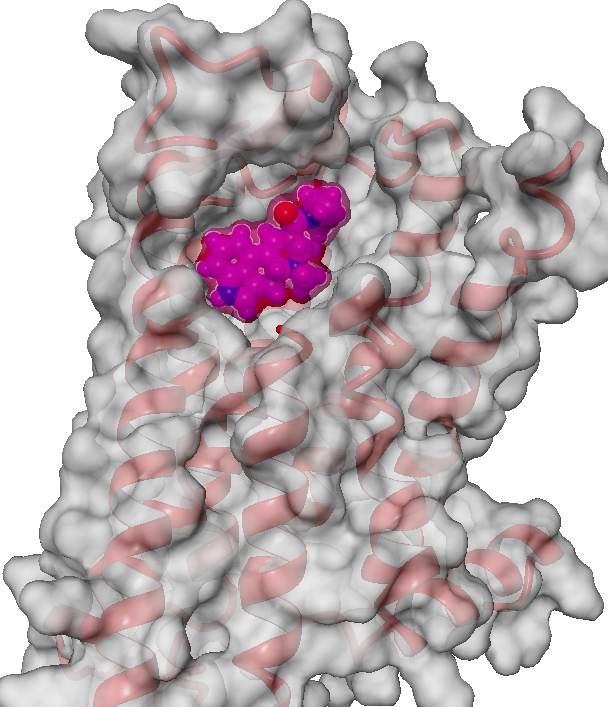
This binding isn't a simple on-off switch. The 5-HT2A receptor is a type of (GPCR), a massive family of receptors that act like cellular mailboxes. When a molecule—the “letter”—binds to the outside, it triggers a specific chain of events inside the cell. The specific message delivered by a psychedelic is what sets it apart from serotonin's everyday signaling.
The Signal Inside
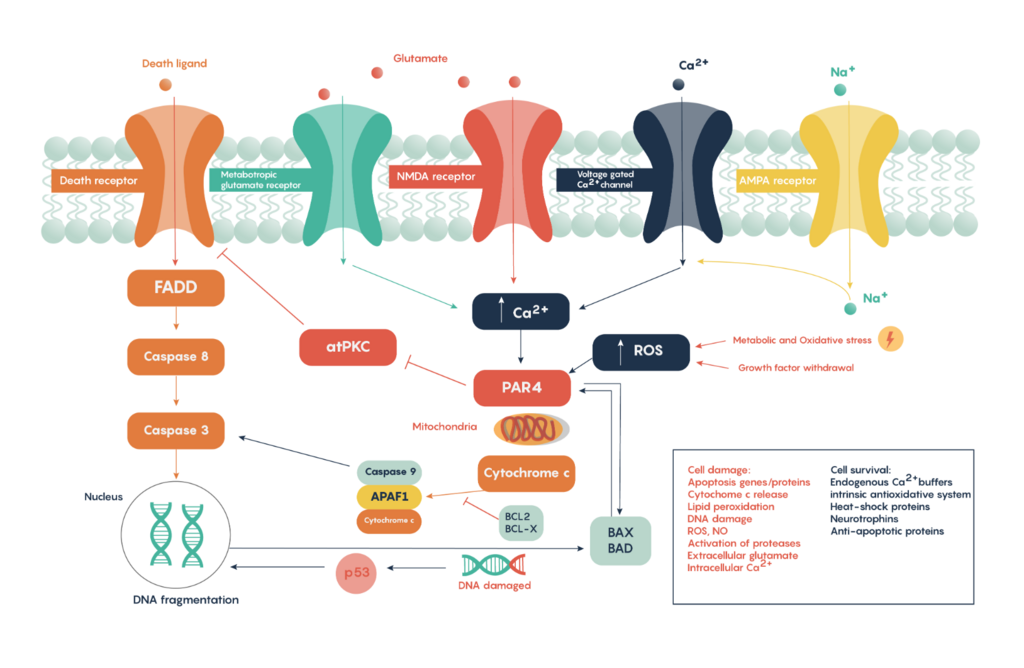
When a psychedelic agonist binds to the 5-HT2A receptor, the receptor changes shape. This conformational shift activates an intracellular partner, a G-protein, which then kicks off a signaling cascade. A key player in this cascade is the enzyme phospholipase C. Its activation leads to a series of biochemical reactions that ultimately amplify the initial signal.
The primary effect isn't from the direct action on the serotonin system itself, but from the downstream consequences it unleashes.
One of the most significant consequences of this cascade is a surge in the release of in the brain's prefrontal cortex. This is a critical plot twist. While the psychedelic story begins with serotonin, it quickly becomes a story about glutamate, the brain's primary excitatory neurotransmitter. This flood of glutamate is thought to be a major driver of the profound changes in perception, cognition, and brain connectivity that characterize the psychedelic experience.
Binding vs. Activating
When discussing how drugs interact with receptors, two terms are essential: affinity and efficacy. Affinity describes how tightly a drug binds to a receptor. High affinity means it binds strongly and stays attached. Efficacy describes the drug's ability to activate the receptor once it's bound.
| Concept | Analogy | Description |
|---|---|---|
| Affinity | How snugly a key fits | The strength of the bond between a ligand and receptor. |
| Efficacy | How well the key turns | The ability of a ligand to produce a biological response. |
A drug can have high affinity but zero efficacy—this is called an antagonist. It fits the lock perfectly but doesn't turn it, effectively blocking other keys. Psychedelics are agonists, possessing both high affinity for the 5-HT2A receptor and the efficacy to trigger its unique signaling cascade.
A Tale of Two Families
Classic psychedelics largely fall into two structural classes: and phenethylamines. A third, less common class, the ergolines, includes LSD.
- Tryptamines: This family includes psilocybin and DMT. Their core structure closely resembles serotonin, which is itself a tryptamine. This structural similarity is a key reason they interact so effectively with serotonin receptors.
- Ergolines: LSD is the most famous ergoline. Its structure is more complex, incorporating a tryptamine backbone into a larger, more rigid framework. This complexity allows it to bind to a wider array of receptors, including dopamine and adrenergic receptors, which may contribute to its distinct and longer-lasting effects compared to tryptamines.
The direct 5-HT2AR agonist properties of psychedelics are hypothesized to relate to their proclivity to enhance sensitivity to the environment as well as facilitate emotional release, which, when combined with psychological support, is hypothesized to be therapeutically potent.
Understanding this cascade—from high-affinity binding at a specific serotonin receptor to a downstream flood of glutamate—is key to grasping how these molecules can produce such profound effects on consciousness. It's a precise chemical interaction that leverages the brain's own signaling systems to create a radically different state of perception.