Clinical Acne Management for Estheticians
Biochemical Acne Pathways
The Hormonal Trigger
The journey to a breakout often begins not on the skin, but from within, through signals sent by our diet and endocrine system. High-glycemic foods and dairy can spike insulin levels, a state known as hyperinsulinemia. This surge, in turn, boosts the production of Insulin-like Growth Factor 1 (IGF-1). Both insulin and IGF-1 are powerful messengers that travel through the bloodstream and bind to receptors on sebocytes, the cells that make up our sebaceous glands. This binding event is the 'on' switch, telling the cell to ramp up its primary function: producing oil, or sebum.
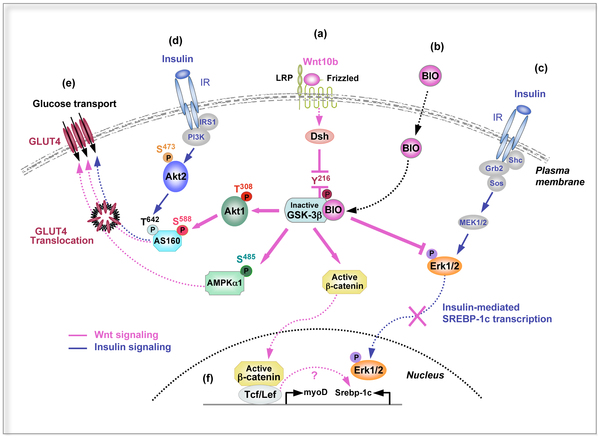
Think of the sebocyte as a tiny factory. Insulin and IGF-1 are the managers showing up and demanding a massive increase in production. This initial signal kicks off a complex cascade of events inside the cell, fundamentally changing not just the quantity of sebum, but its chemical makeup.
Inside the Sebocyte
Once the hormonal signal is received, the message is carried inside the sebocyte by specific signaling pathways. Two of the most important are the mTOR (mechanistic target of rapamycin) and SREBP-1 (Sterol Regulatory Element-Binding Protein-1) pathways. The mTOR pathway acts like a central processing unit, integrating signals about nutrient availability. When activated by insulin and IGF-1, it effectively tells the cell, "Energy is abundant, it's time to build."
One of mTOR's key targets is SREBP-1. This protein is a master transcription factor, meaning it can switch on a whole suite of genes related to lipid synthesis. When activated, SREBP-1 travels to the cell's nucleus and binds to the DNA, initiating the production of all the enzymes needed for lipogenesis, the creation of fatty acids and cholesterol that form sebum.
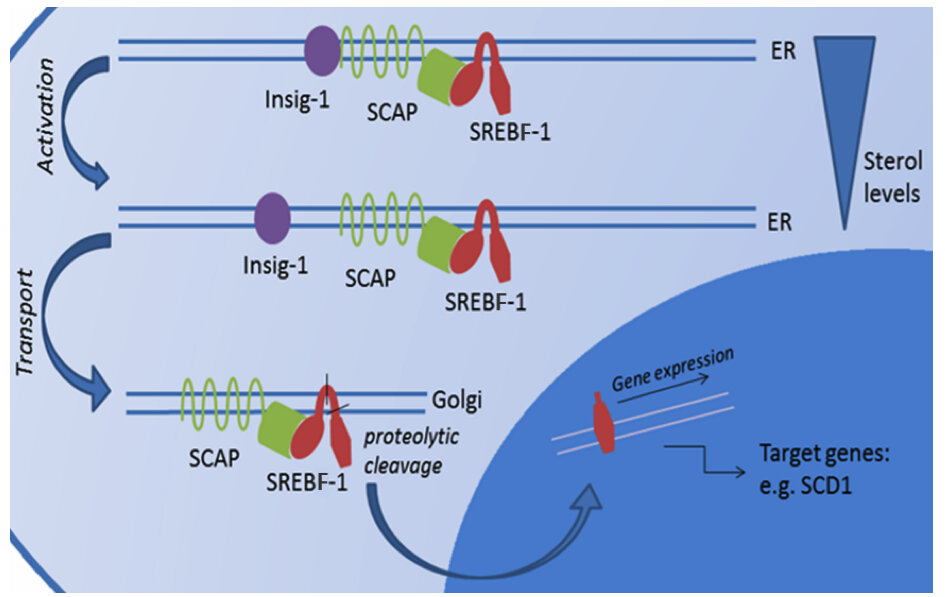
A key enzyme upregulated by SREBP-1 is Stearoyl-CoA Desaturase-1 (SCD1). This enzyme is responsible for converting saturated fatty acids into monounsaturated fatty acids. This specific chemical change has significant consequences for the skin's microenvironment.
An Unbalanced Lipid Profile
This SREBP-1-driven increase in monounsaturated fatty acids—particularly sapienic acid and oleic acid—alters the chemical composition of sebum. It's no longer just about having more oil; it's about having a different, more pro-inflammatory type of oil. This altered lipid profile serves as a selective nutrient source, creating an ideal environment for specific strains of bacteria to thrive.
Simultaneously, these biochemical changes contribute directly to follicular hyperkeratosis, the abnormal shedding and buildup of keratinocytes within the hair follicle. The altered fatty acids can irritate the follicular lining and promote inflammation, signaling keratinocytes to proliferate and stick together, forming the microcomedone that is the precursor to all acne lesions.
This altered sebum becomes the perfect food source for Cutibacterium acnes (formerly Propionibacterium acnes). However, not all C. acnes are created equal. The skin microbiome contains multiple strains, or phylotypes, of this bacterium. The pro-inflammatory sebum composition encourages a state of dysbiosis, where specific, more virulent phylotypes (like RT4 and RT5) outcompete the more commensal, or harmless, strains. These pathogenic strains are particularly adept at metabolizing the altered triglycerides into free fatty acids that further fuel inflammation, creating a vicious cycle.
The bad bacteria’s such a propionibacterium (P.acnes) are pathogens and they use the excess sebum as food and like to live in plugged follicles (yuck!).
This detailed molecular cascade—from a high-glycemic meal to the proliferation of pathogenic bacteria—explains why effective acne treatment requires a holistic approach. By understanding these biochemical pathways, we can see how systemic factors directly create a local pathology on the skin. Professional protocols that target these mechanisms offer a more precise and effective way to manage acne.
What is the initial systemic trigger that boosts the production of Insulin-like Growth Factor 1 (IGF-1) and initiates the acne cascade described?
Once activated by hormonal signals, what is the primary role of the SREBP-1 protein within a sebocyte?