Climbing Finger Strength Training
Anatomy of Finger Muscles
The Muscles Behind Your Grip
When you grip a climbing hold, it feels like your fingers are doing all the work. But surprisingly, the major muscles responsible for that powerful squeeze aren't in your fingers at all. They're located in your forearm.
Think of your forearm as the engine for your hand. It's packed with muscles, but for climbing, we're mostly interested in two groups: the flexors and the extensors.
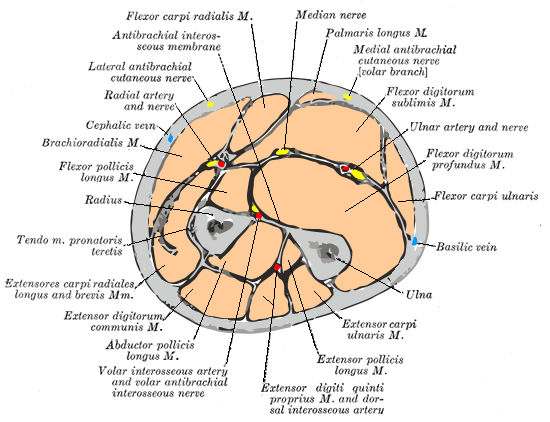
The flexor muscles run along the inside of your forearm (the palm side). When they contract, they pull on tendons that run through your wrist and into your fingers, causing them to curl and grip. These are the primary muscles you use to hang onto the wall. Two key players are the Flexor Digitorum Profundus and the Flexor Digitorum Superficialis, which allow you to bend your fingers at different joints.
On the other side, along the top of your forearm, are the extensor muscles. Their job is the opposite: they open your hand and straighten your fingers. While they aren't the main drivers of grip strength, they're crucial for stabilizing your wrist and providing balance to the powerful flexor muscles. Without them, your wrist would collapse every time you grabbed a hold.
Tendons The Body's Ropes
So, if the muscles are in the forearm, how do they move the finger bones? The connection is made by tendons. Tendons are incredibly strong, rope-like tissues that attach muscle to bone.
You can think of it like a puppet. Your forearm muscles are the puppeteer's hands, your fingers are the puppet, and the tendons are the strings that make it all move. When a flexor muscle in your forearm contracts, it pulls on its corresponding tendon, which then pulls on a finger bone, causing it to bend.
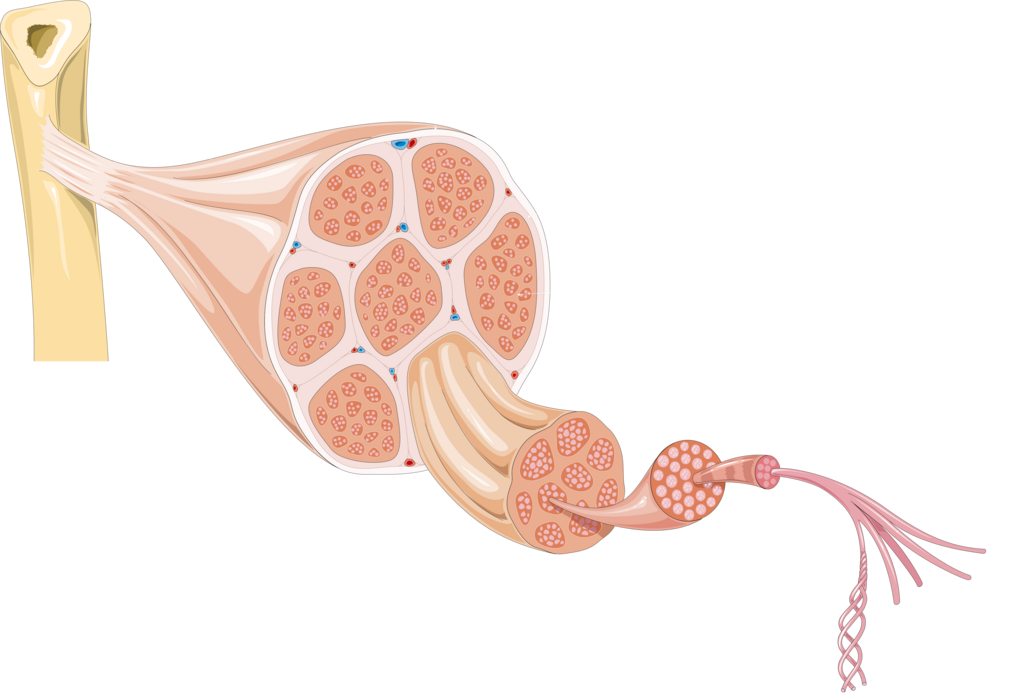
To keep these tendons from pulling away from the bone when you bend your fingers, they are held in place by a series of fibrous sheaths called pulleys. These are tiny loops of tissue that act like the eyelets on a fishing rod, keeping the line (your tendon) running close to the rod (your bone). This system is incredibly efficient, allowing for powerful grips on tiny holds. It's also why finger injuries, especially to the pulleys, are common in climbers.
Ligaments Joint Stabilizers
Finally, we have ligaments. While tendons connect muscle to bone, ligaments connect bone to bone. Their job is not to create movement, but to limit it. They are the passive stabilizers of your joints, like tough pieces of duct tape holding a frame together.
Each joint in your finger has collateral ligaments running along the sides. These ligaments prevent your fingers from bending sideways, ensuring that force is directed efficiently when you pull on a hold. They provide the structural integrity that allows your muscles and tendons to do their job safely.
Understanding these three components—muscles, tendons, and ligaments—is the first step to smarter climbing. Knowing what's happening under the skin allows you to appreciate the incredible mechanics of a simple grip and recognize the importance of proper technique to keep this system healthy.
Let's test your knowledge of finger anatomy.