Climatic Classifications for Wine
Introduction to Climate Classification
Organizing the World's Climates
The Earth is a mosaic of different climates, from scorching deserts to frozen tundras. To make sense of this complexity, scientists use classification systems. Think of it like organizing a library. Instead of letting books pile up randomly, we sort them by genre. Climate classification does the same for weather patterns, grouping regions with similar long-term conditions.
These systems provide a shared language for describing and comparing climates around the world. By setting specific criteria, like average temperature or rainfall, we can draw lines on a map that tell a story about a region's environment. This helps us understand why certain plants grow in one place but not another, or why some areas experience monsoons while others are dry year-round.
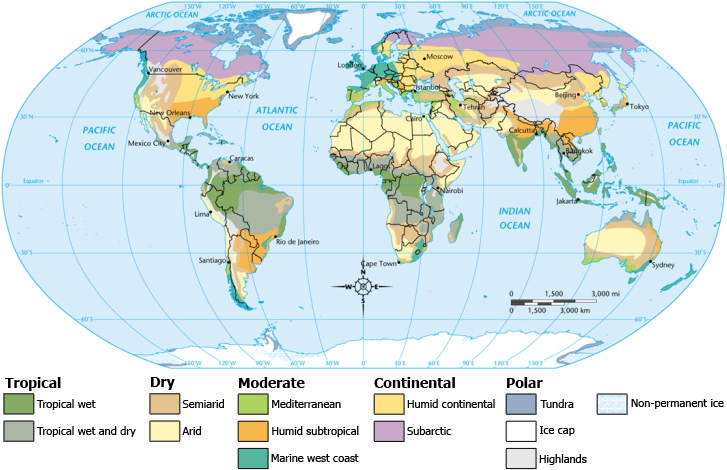
There isn't just one way to classify climate. Different systems have been developed over the years, each with a unique focus. Some prioritize temperature, others look at the water balance, and some are designed for specific purposes, like agriculture.
The Köppen System
One of the most widely used methods is the Köppen climate classification system. Developed by German-Russian scientist Wladimir Köppen, this system categorizes climates based on simple, effective criteria: annual and monthly averages of temperature and precipitation. It also considers the seasonality of precipitation.
The Köppen system uses a code of two to three letters to describe each climate type. The first letter indicates the main climate group (like tropical, dry, or polar), while subsequent letters provide more detail about temperature and rainfall patterns. This shorthand allows scientists to convey a wealth of information with just a few characters.
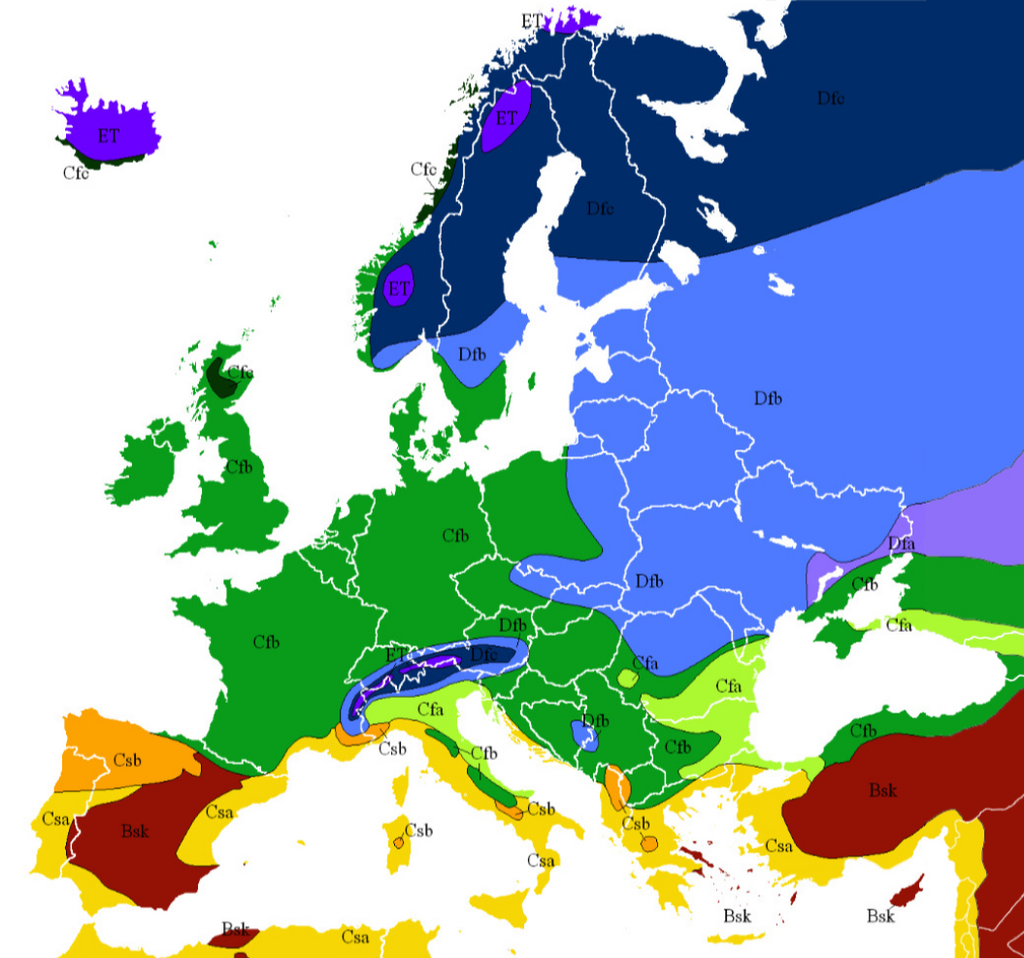
While the Köppen system is popular for its simplicity and reliance on easily obtainable data, other systems offer different perspectives. The Thornthwaite system, for example, is more complex and focuses on evapotranspiration—the amount of water evaporated from the land and transpired by plants. This makes it particularly useful for studying water resources and agricultural potential.
Why Classification Matters
Climate classification is more than just an academic exercise. It has practical applications across many fields. In agriculture, it helps farmers determine which crops are suitable for their region and when to plant them. Architects and engineers use climate data to design buildings that are energy-efficient and can withstand local weather conditions, like heavy snow or high winds.
Ecologists rely on these systems to understand the distribution of biomes—large communities of plants and animals. A region's climate is the primary factor determining what kind of life can thrive there. City planners use this information for resource management and infrastructure development, while public health officials can anticipate the spread of climate-sensitive diseases.
Climate classification turns global weather data into a practical map for decision-making.
Now, let's test your understanding of these foundational concepts.
What is the primary purpose of a climate classification system?
Which scientist developed one of the most widely used climate classification systems based on temperature and precipitation data?
By categorizing climates, we create a framework for understanding our planet's complex environmental systems.