Climate Risk Profiling with CLIMADA
Introduction to Climate Risk Assessment
What Is Climate Risk?
Climate risk isn't just about a flood or a heatwave. It's about how that event affects people and the things we value. Think of it as a simple but powerful equation: a specific hazard, combined with our exposure to it, and our vulnerability, determines the overall risk.
To truly understand climate risk, we need to break down each of these three components.
Climate Hazards
A hazard is the climate-related event itself. It's the physical phenomenon that has the potential to cause harm. These are becoming more frequent and intense due to climate change.
Common examples include:
- Floods: from heavy rainfall or coastal storm surges.
- Storms: such as hurricanes, typhoons, and tornadoes.
- Heatwaves: prolonged periods of abnormally hot weather.
- Droughts: long-term shortages in the water supply.
- Wildfires: which are often exacerbated by hot, dry conditions.
A hazard is the starting point. Without a hazard, there is no risk.
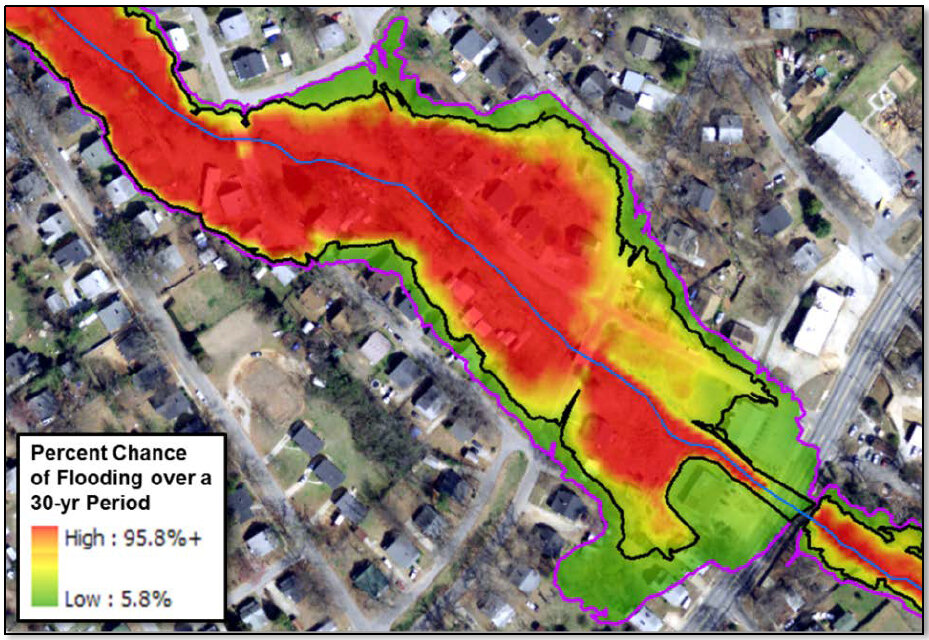
Exposure and Vulnerability
A powerful storm in the middle of the ocean isn't a high-risk event, because nothing is there to be damaged. That's where exposure comes in. Exposure refers to the people, property, infrastructure, and ecosystems located in areas that could be affected by a hazard.
We identify exposure by asking: What or who is in harm's way? This could be a coastal city, a farming community, a critical highway, or a sensitive wetland.
But not everyone or everything in an exposed area is affected equally. Vulnerability describes the underlying factors that make someone or something more susceptible to the harmful impacts of a hazard.
For example, a low-income household may be more vulnerable to a heatwave because they cannot afford air conditioning. An elderly person might be more vulnerable during a flood because they have limited mobility. A community without a strong early-warning system is more vulnerable to a hurricane. Vulnerability is about the capacity to anticipate, cope with, resist, and recover from a hazard.
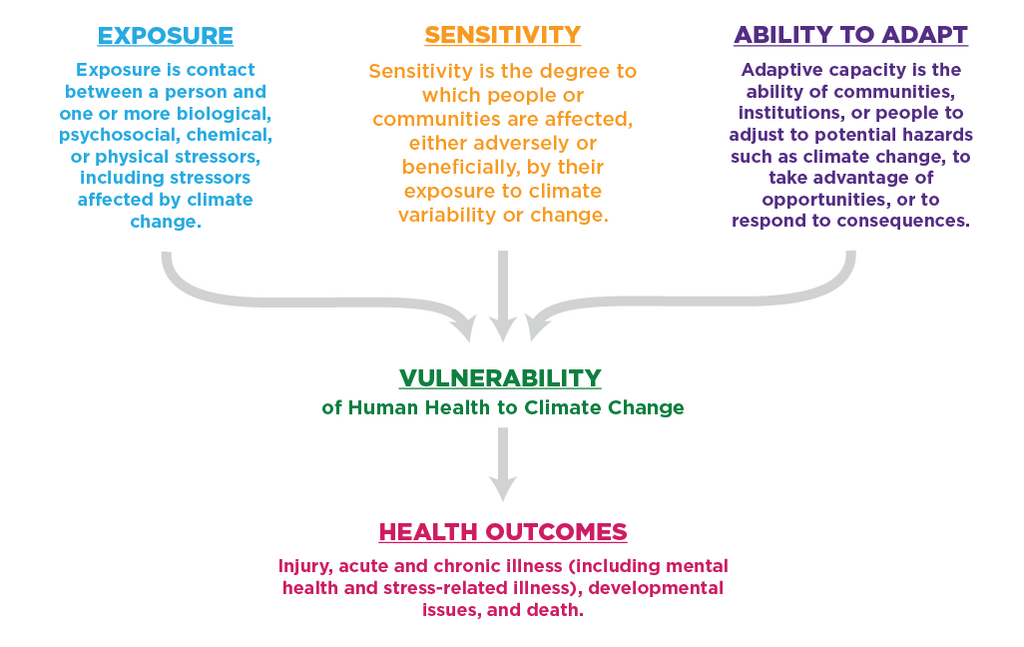
Putting it all together, you can see how the pieces interact. A severe drought (hazard) in a region heavily dependent on agriculture (exposure) where farmers have little savings and no access to alternative water sources (vulnerability) creates a catastrophic risk of crop failure and famine.
By assessing all three components, we can get a clear picture of the total climate risk and figure out the best ways to reduce it.
Understanding hazard, exposure, and vulnerability is the foundation of any effective climate risk assessment. It moves us from simply knowing about a threat to understanding its potential consequences.
Let's check your understanding of these core concepts.
According to the components of climate risk, what is a 'hazard'?
A new farming community is established in a region known for long-term water shortages. This situation, describing who and what is in harm's way, is a direct example of:
Now that you can distinguish between these key elements, you're ready to see how they're used in more formal risk analysis.