Climate Risk Assessment in Sindh with CLIMADA
Introduction to Climate Risk Assessment
Understanding Climate Risk
Climate risk assessment is a way of looking into the future to understand how a changing climate might affect us. It’s not about predicting the weather next Tuesday. It's about systematically evaluating potential dangers so we can prepare for them, reduce their impact, and build more resilient communities.
Think of it like planning a long camping trip in a remote area. You wouldn't just pack your bags and go. You’d check for potential dangers like bears, storms, or a lack of clean water. You'd also consider your own preparedness—your gear, your skills, your food supply. Climate risk assessment applies this same logic to our cities, farms, and ecosystems.
The goal is to answer critical questions: What could happen? How bad could it be? And what can we do about it? By understanding these risks, we can develop effective strategies to adapt to new conditions and mitigate the worst effects of climate change.
Climate risk isn't just one thing. It's a combination of the hazard itself, who or what is in its path, and how susceptible they are to harm.
The Three Pillars of Risk
To calculate risk, we need to understand its three key components: hazard, exposure, and vulnerability. A simple way to think about their relationship is with this formula:
Let’s break down each part.
Hazard: This is the physical event or trend related to climate change. It’s the potential for something dangerous to happen. Hazards can be sudden, like a hurricane or a flash flood, or they can be slow-moving, like rising sea levels or persistent drought. Common climate-related hazards include heatwaves, wildfires, heavy precipitation, and coastal erosion.
Exposure: This refers to the people, infrastructure, ecosystems, and economic assets located in areas that could be affected by a hazard. If a hurricane makes landfall on an uninhabited island, the exposure is zero. But if that same hurricane hits a densely populated coastal city with ports and power plants, the exposure is extremely high. Exposure asks: Who and what is in harm's way?
Vulnerability: This is the susceptibility of an exposed element to be harmed. It's about how well people or systems can cope with the impacts of a hazard. For example, two neighborhoods might be equally exposed to a heatwave, but the one with less green space, older housing without air conditioning, and a higher population of elderly residents is far more vulnerable. Vulnerability is influenced by social, economic, and environmental factors.
Putting It All Together
Let’s use an example. A prolonged drought (the hazard) hits a farming region. The farms, crops, and rural communities are all in the path of this hazard (the exposure). But the level of risk depends on their vulnerability.
A community that relies entirely on a single rain-fed crop and has no irrigation or water storage is highly vulnerable. The drought could be catastrophic. Another community in the same region might have diverse crops, efficient irrigation systems, and government support programs. Their vulnerability is much lower, and so is their overall risk.
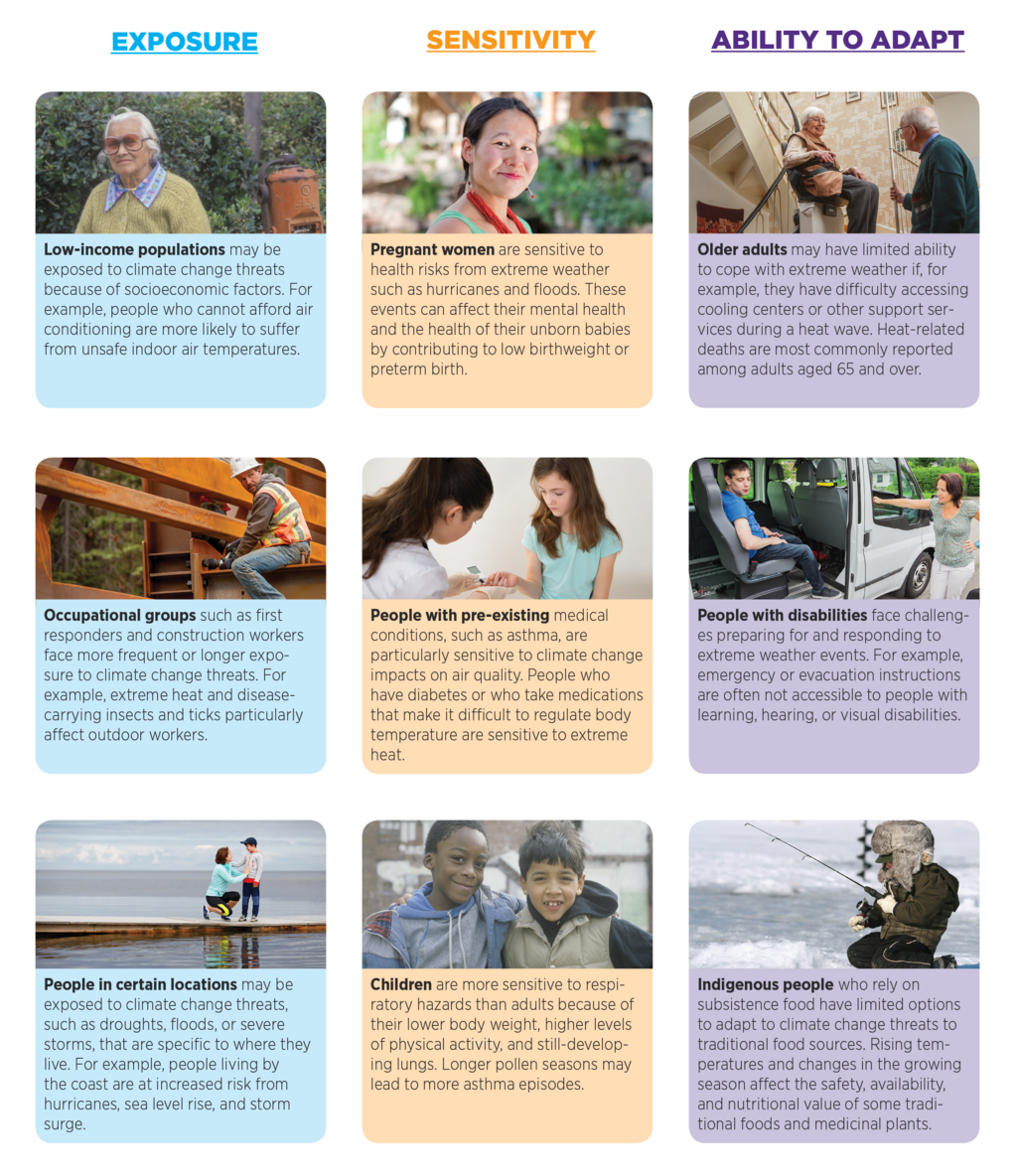
Assessing these components involves gathering and analyzing data. For hazards, scientists use climate models to project future changes in temperature, rainfall, and sea levels. For exposure, we use maps and census data to identify populations, critical infrastructure like hospitals and roads, and valuable ecosystems. Assessing vulnerability is often the most complex part, requiring surveys, community engagement, and analysis of socioeconomic data to understand a community's capacity to adapt.
Frameworks and Tools
To bring all this information together, experts use risk assessment frameworks. These are structured processes that guide users from identifying hazards all the way to evaluating potential solutions. Think of them as a recipe for a risk assessment, ensuring all the key ingredients are included in the right order.
These frameworks often follow a cycle:
- Identify Risks: What are the most relevant hazards, and who/what is exposed and vulnerable?
- Analyze Risks: How likely are these events, and what would the consequences be?
- Evaluate Risks: Which risks are acceptable, and which require urgent action?
- Treat Risks: Develop and implement strategies to reduce the risks (like building seawalls or creating early warning systems).
- Monitor and Review: Continuously track the risks and the effectiveness of the solutions, as the climate and our communities are always changing.
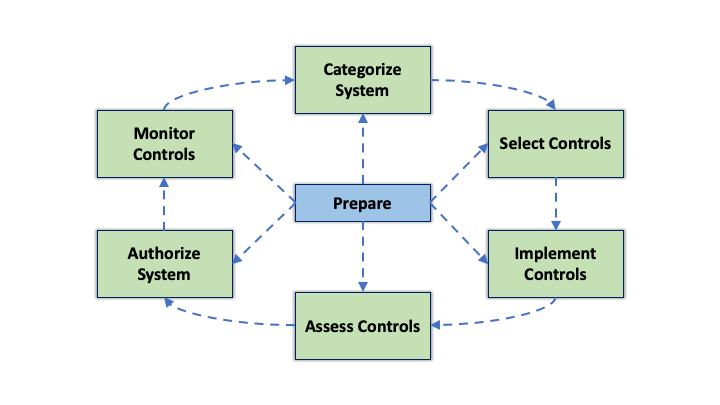
Alongside these frameworks, a growing number of software tools help automate the analysis. These tools can process vast amounts of climate and geographic data, run models to simulate future impacts, and visualize the results on maps. This helps decision-makers, from city planners to corporate executives, see where the biggest risks lie and test the potential benefits of different adaptation strategies.
Ready to check your understanding? Let's review the core concepts.
What is the primary goal of climate risk assessment?
A prolonged drought settles over a major agricultural region. In the formula for climate risk, what does the drought itself represent?
By breaking down climate change into these understandable components of hazard, exposure, and vulnerability, we can move from feeling overwhelmed to taking focused, effective action.