Climate Migration Real Estate Forecasting
Climate Change Basics
The Earth's Warming Blanket
Think of the Earth's atmosphere as a blanket. Sunlight passes through it, warming the planet's surface. The Earth then radiates some of this heat back out toward space. Certain gases in the atmosphere, known as greenhouse gases, trap some of this outgoing heat, keeping our planet warm enough for life to thrive. This natural process is called the greenhouse effect.
The problem isn't the effect itself, but its rapid intensification due to human activities. Since the Industrial Revolution, we've been releasing huge amounts of greenhouse gases into the atmosphere. The main culprits are carbon dioxide (), from burning fossil fuels like coal, oil, and gas, and methane (), from sources like agriculture and natural gas leaks. These extra gases act like a thicker blanket, trapping more heat and causing the planet's average temperature to rise.
Turning Up the Heat
Scientists track global warming by measuring temperature anomalies. An anomaly isn't the absolute temperature, but the difference from a long-term average, or baseline. This method clearly shows warming trends over time, smoothing out short-term weather fluctuations.
Data from weather stations, ships, and satellites collected over more than a century reveals an unmistakable warming pattern. The planet is significantly warmer today than it was 100 years ago, and the rate of warming has accelerated in recent decades.
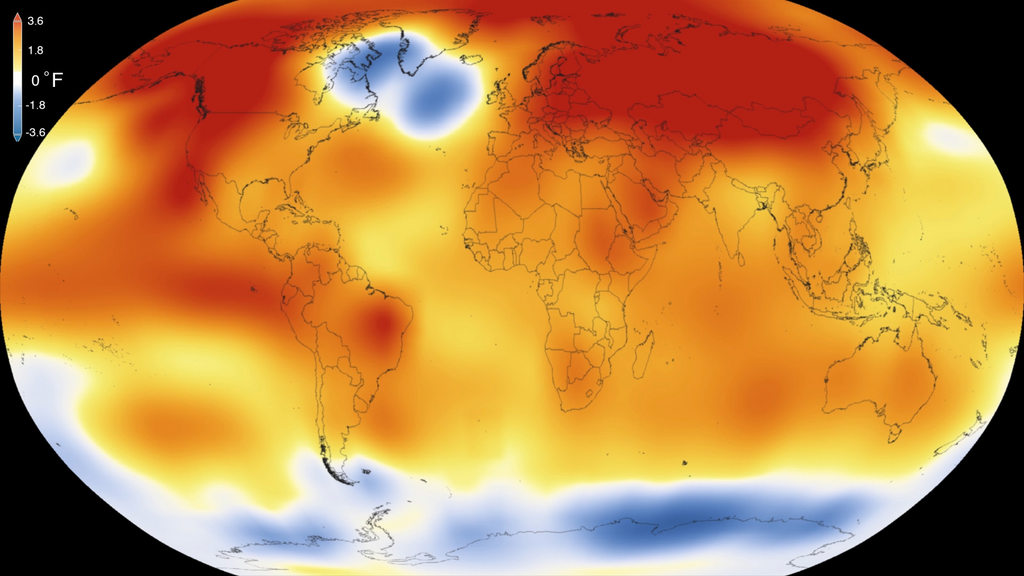
Looking at the map above, you can see that most of the globe has experienced warming. This isn't just a prediction; it's a documented historical trend. The scientific consensus is that the primary driver of this warming is the increase in human-caused greenhouse gas emissions.
A Chain Reaction of Impacts
Global warming is more than just warmer weather. It triggers a cascade of changes across the Earth's systems, with profound socio-economic consequences.
One of the most visible effects is the increase in extreme weather events. Heat waves become hotter and more frequent. Heavy rainfall leads to more severe flooding. Warmer ocean waters fuel more powerful hurricanes. In other regions, changing weather patterns result in prolonged droughts and a higher risk of wildfires.
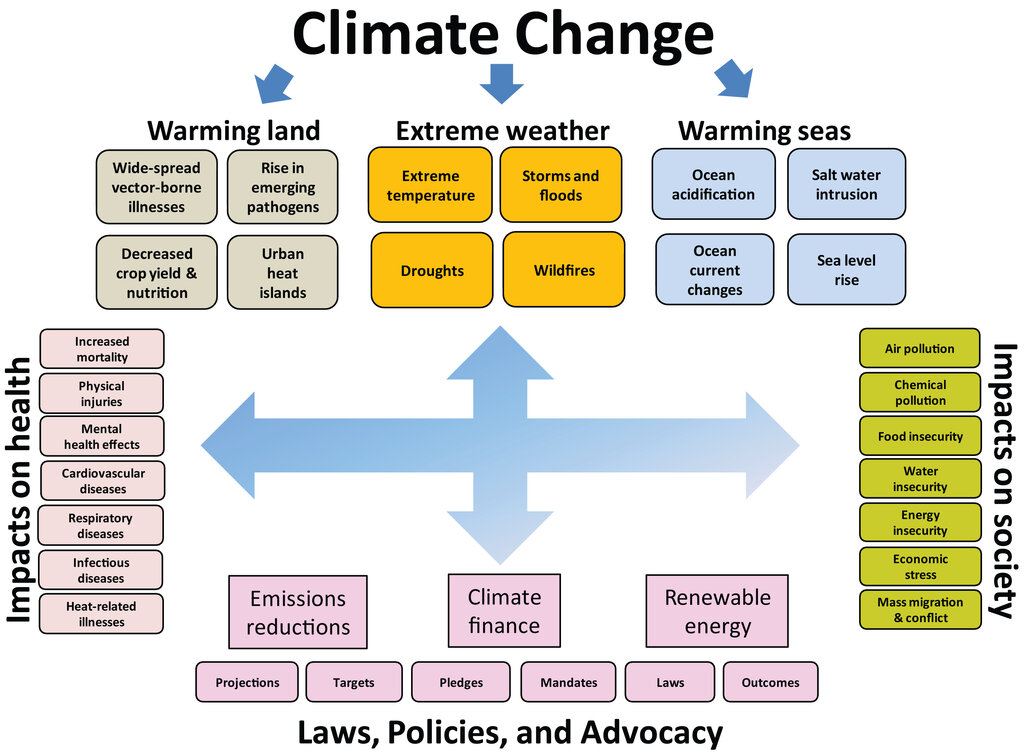
These physical changes have real-world costs. Sea-level rise, caused by melting glaciers and the expansion of warmer ocean water, threatens coastal cities and infrastructure. Changes in temperature and precipitation patterns disrupt agriculture, affecting food supplies and farmer livelihoods. Public health is also at risk, from heat-related illnesses to the spread of diseases into new areas.
The impacts of climate change are not felt equally. Vulnerable communities, often those who have contributed the least to the problem, frequently bear the heaviest burdens.
Understanding these fundamental concepts—the greenhouse effect, the warming trend, and its widespread impacts—is the first step. These interconnected issues create the backdrop for how societies, and the markets within them, will respond to a changing world.