Climate Migration and Real Estate Futures
Introduction to Climate Migration
When Home Moves
Climate migration is the movement of people because of changes in their local environment brought on by climate change. It's not always a sudden flight from disaster. Often, it's a slow, difficult decision made when a place can no longer support the people who live there.
Think of it as being pushed out. Your farm dries up, your well runs salty, or the floodwaters just keep coming back higher each year.
The primary drivers are straightforward and powerful.
- Rising Sea Levels: Coastal communities face constant flooding and erosion. Saltwater intrudes into freshwater supplies, making land unfarmable.
- Extreme Weather: The increasing frequency and intensity of hurricanes, wildfires, and floods can destroy homes and infrastructure in an instant, forcing immediate relocation.
- Prolonged Drought: In other regions, the lack of rain turns fertile land to dust. This desertification makes agriculture and pastoralism impossible, eliminating livelihoods and food sources.
An Old Story on a New Scale
People have always moved because of environmental change. The end of the last Ice Age, for instance, dramatically reshaped where humans could live. As glaciers retreated, new lands opened up for settlement.
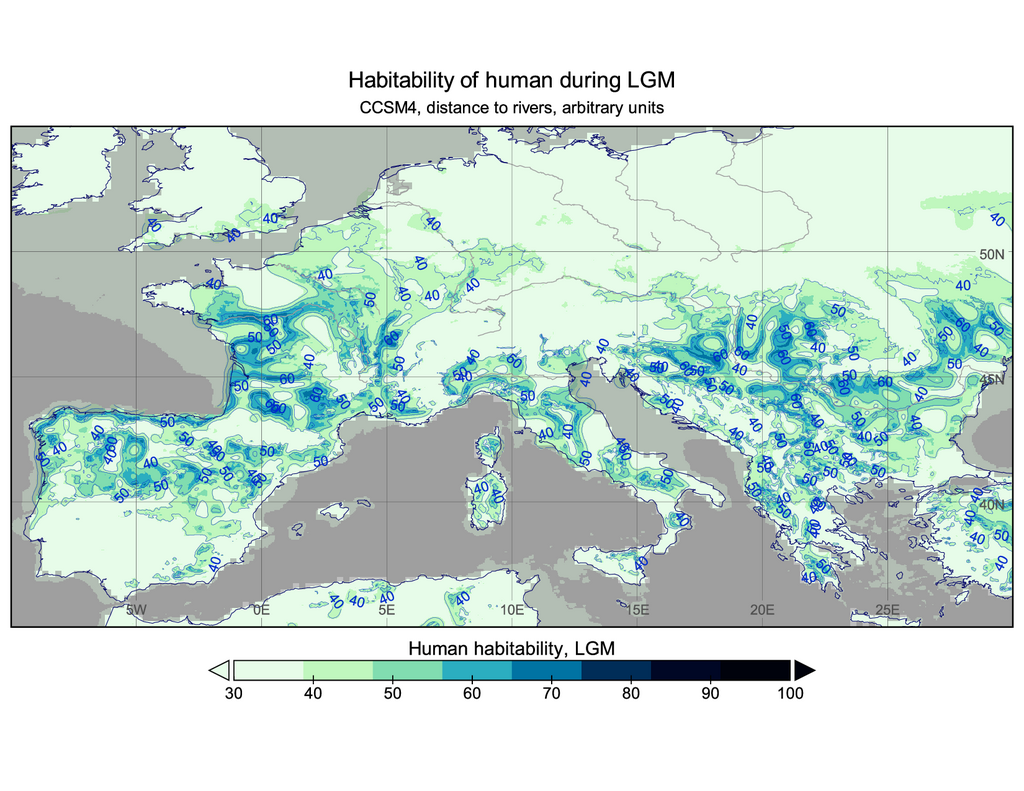
A more recent example is the American Dust Bowl in the 1930s. A severe, multi-year drought, combined with farming practices that damaged the soil, forced hundreds of thousands of families to abandon their farms in the Great Plains. They migrated west, seeking new livelihoods.
The difference today is the cause and the scale. The changes driving migration are global, human-caused, and happening much faster than the natural climate shifts of the past.
Today's Shifting Map
Climate migration is not a future problem. It's happening right now, all over the world. Most of this movement is internal, meaning people relocate within their own country's borders. They move from a vulnerable coastline to an inland city, or from a dried-out rural area to a town with more stable resources.
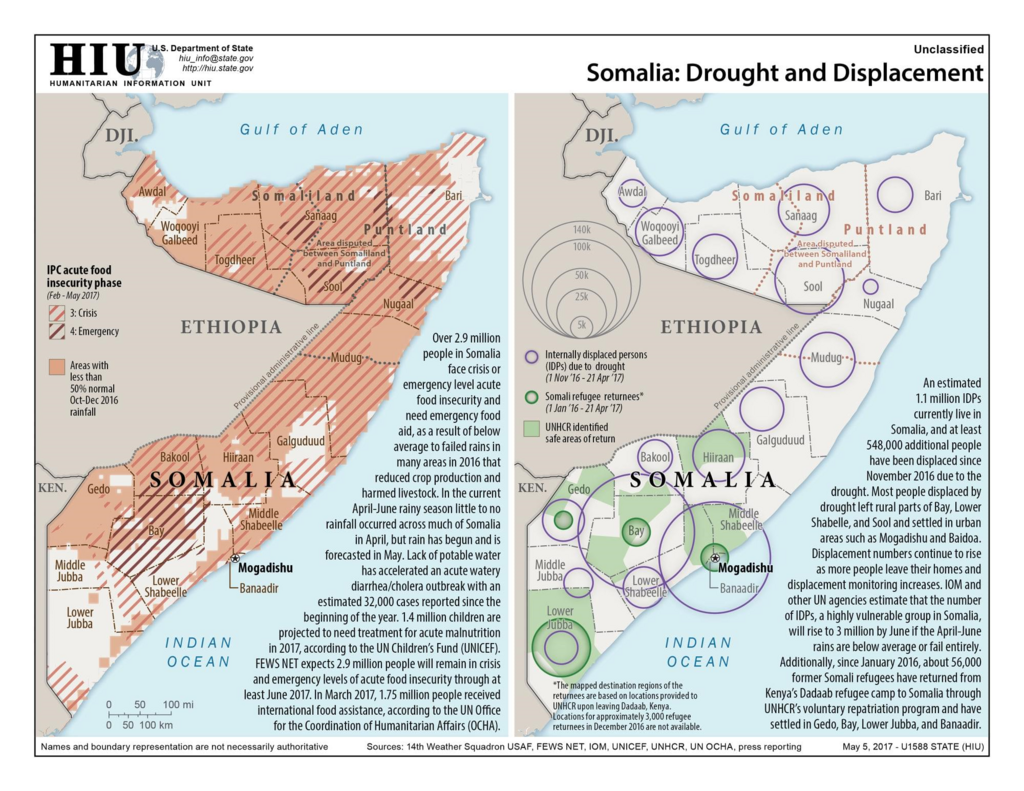
However, cross-border migration also occurs, especially when a changing climate combines with other pressures like political instability or conflict. In these cases, climate change acts as a 'threat multiplier,' making a difficult situation worse.
With every degree of temperature increase, roughly 1 billion people will be pushed outside the zone in which humans have lived for thousands of years.
This movement reshapes communities. The places people leave behind face a declining population and tax base. The places they move to, sometimes called 'climate havens,' experience new pressures on housing, infrastructure, and social services. This dynamic is setting the stage for major shifts in real estate markets and regional economies.
Let's check your understanding of these foundational concepts.
What is the key difference between historical environmental migration, like that following the last Ice Age, and the climate migration happening today?
Which climate change driver directly leads to the loss of farmable land due to saltwater intrusion?
Understanding these drivers is the first step in seeing how climate change will influence where and how we live.