Climate Migration and Real Estate Futures
Climate Migration Basics
When Home Is No Longer Home
People have always moved. We move for jobs, for family, or for a change of scenery. But a new reason is pushing people to pack their bags: the changing climate. This is the core of climate migration. It’s the movement of people either because their environment has become unlivable or to prevent that from happening.
Climate Migrant
noun
A person who is displaced or chooses to move due to sudden or gradual changes in their natural environment related to climate change.
This movement isn't always a dramatic cross-country trek. Often, it’s a much shorter journey, driven by the slow, creeping effects of a shifting environment. It can be a family moving to a neighboring town that's on higher ground, or a farmer relocating to a county with more reliable rainfall.
Climate migration will largely look like people moving from one neighborhood to another, across town, to the next county over, to a nearby city.
The Forces Pushing People Out
Three major climate-related pressures are forcing people to reconsider where they live: rising seas, extreme weather, and persistent drought. Each one alters the environment in ways that can make a place unsafe or economically unviable.
Sea-Level Rise: The Slow-Motion Flood As the planet warms, glaciers melt and ocean water expands. This combination causes sea levels to rise, threatening coastal communities worldwide. Low-lying areas face more frequent flooding, and saltwater can seep into freshwater supplies, making water undrinkable and land unusable for farming.
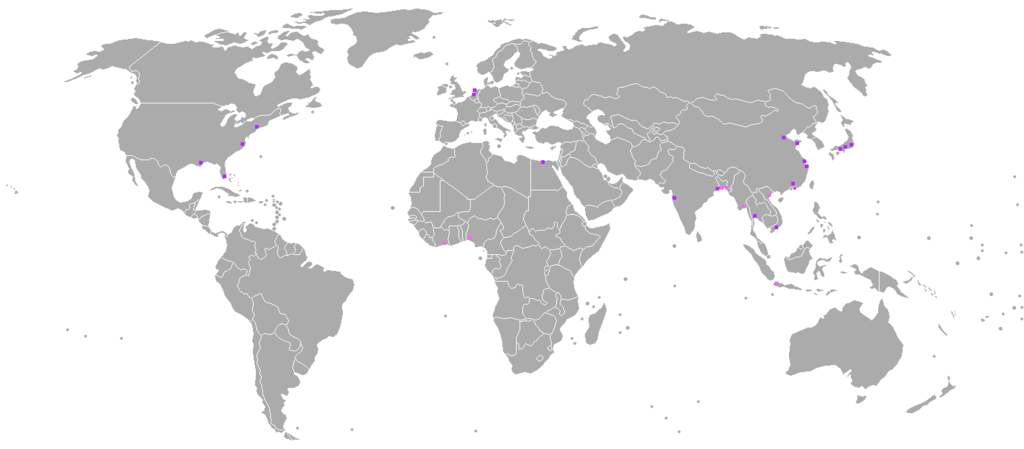
This process, called saltwater intrusion, is a hidden threat. As sea levels push inland, the boundary between fresh groundwater and salty ocean water shifts. Wells that once provided clean drinking water can become contaminated.
Extreme Weather: The Sudden Shocks Hurricanes, wildfires, and flash floods are becoming more frequent and intense. While a single storm might not cause a family to move, a series of them can. When homes are destroyed repeatedly and infrastructure like roads and power grids can't be reliably maintained, communities can unravel. The constant cycle of destruction and rebuilding becomes unsustainable, prompting residents to seek safety and stability elsewhere.
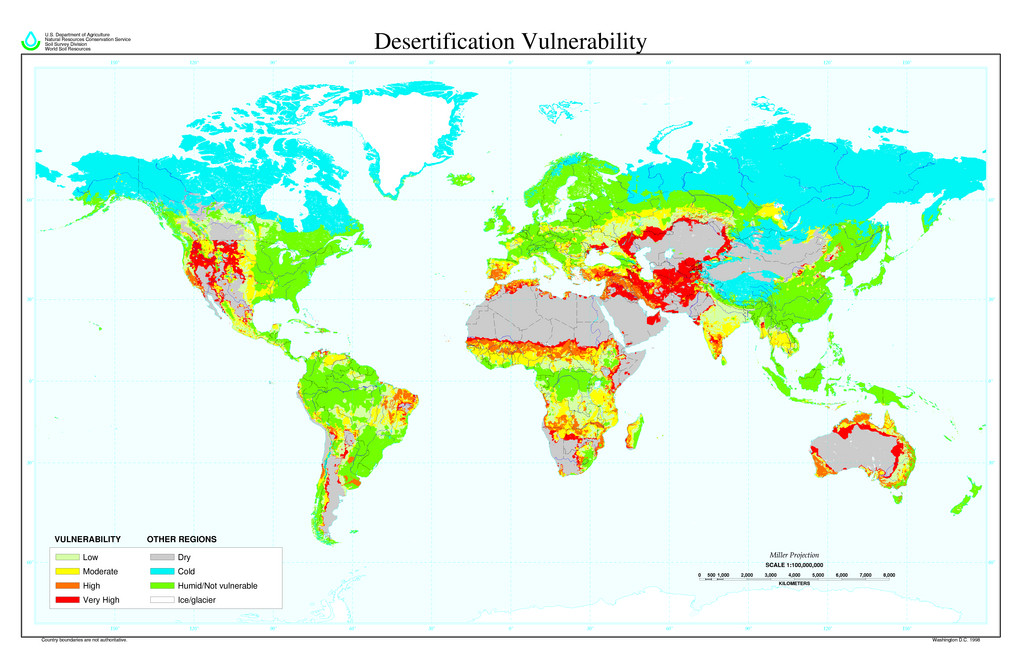
Drought: The Silent Crisis Unlike a hurricane, a drought doesn't arrive with a bang. It’s a slow, creeping disaster. Lack of rainfall depletes rivers, dries up reservoirs, and withers crops. For agricultural communities, this is devastating. Farmers can't grow food, and livestock can't survive. When the land can no longer support a way of life, people are left with little choice but to move.
Who Is Most Affected?
Climate change doesn't affect everyone equally. The decision to move—or the inability to—is deeply tied to social and economic factors. A wealthy family might be able to relocate from a flood-prone coastal home with relative ease. They have the financial resources to sell their property, buy a new one, and find work in a different city.
But for many, it's not that simple. People living in poverty often lack the savings to move. They may have deep community ties or rely on local support networks. For them, leaving isn't a choice but a last resort taken when all other options are exhausted. In many cases, those who are most vulnerable to climate impacts have the fewest resources to escape them.
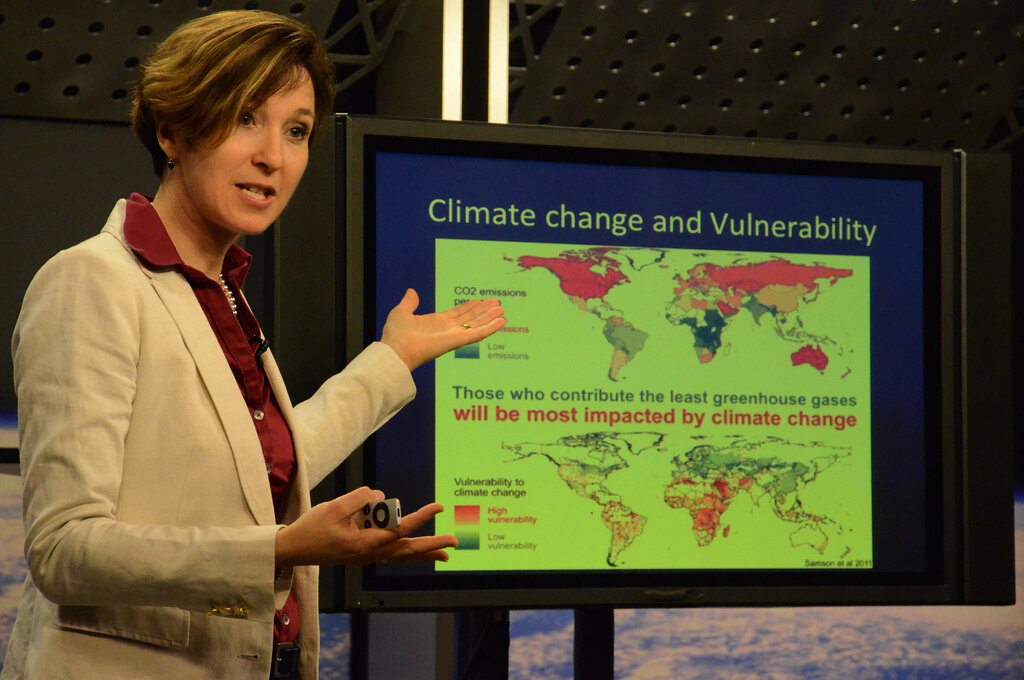
Ironically, the people who contribute the least to climate change are often the ones who suffer its consequences most directly. Their livelihoods, whether farming or fishing, are often directly dependent on a stable environment.
The ability to move is a form of adaptation. Those with more resources can proactively relocate to safer areas, while those with fewer resources may be trapped in increasingly hazardous conditions or forced into unplanned, crisis-driven displacement.
What is the core definition of climate migration?
Climate migration always involves long-distance, cross-country journeys.
Climate migration is a complex issue driven by environmental change and shaped by human circumstances. It is already reshaping communities around the globe.