Climate Migration and Real Estate Futures
Introduction to Climate Migration
The Great Climate Reshuffle
For as long as humans have existed, we have moved. We move for opportunity, for safety, or simply for a change of scenery. But a new force is increasingly shaping these decisions: the changing climate. This is climate migration—the movement of people due to shifts in their environment.
Climate migration isn't about a single choice but a complex web of pressures. It can be a slow, considered relocation away from a place that no longer feels viable, or a sudden, desperate flight from a natural disaster. People might move from one town to the next, or across international borders.
Climate Migration
noun
The movement of a person or groups of persons who, for compelling reasons of sudden or progressive change in the environment that adversely affects their lives or living conditions, are obliged to leave their habitual homes, or choose to do so, either temporarily or permanently, and who move either within their country or abroad.
The Drivers of Movement
Several major environmental changes are pushing people to relocate. These can be broken down into two main types: rapid-onset and slow-onset events.
Rapid-onset events are sudden and often catastrophic. Think of a powerful hurricane that destroys homes and infrastructure overnight, or a wildfire that consumes an entire town in a matter of hours. These events force immediate displacement, leaving people with little choice but to flee.
Slow-onset events unfold over years or even decades. They are less dramatic but just as powerful. These include:
Rising Sea Levels: Coastal communities around the world face a future of permanent flooding. Saltwater intrusion contaminates freshwater supplies and agricultural land, making life increasingly difficult.
Prolonged Droughts: In many regions, changing weather patterns are leading to severe water shortages. This process, known as desertification, can devastate agriculture and make entire areas uninhabitable.
Extreme Heat: Rising average temperatures and more frequent, intense heatwaves can pose serious health risks and disrupt local economies, especially those reliant on outdoor labor.
Where People Are Going
Climate migration is happening everywhere, both within countries and across borders. In the United States, coastal residents are beginning to move inland to escape rising tides and increasingly powerful storms. People in the arid Southwest are contemplating moves to regions with more stable water supplies, like the Great Lakes area.
Increasingly, worsening climate effects, including heat waves, wildfires, floods, droughts, and sea level rise, are leading a growing number of Americans to have second thoughts about where they are living and to decide to move to places that are perceived to be less exposed to these impacts, according to anecdotal reports and a growing volume of academic research.
Internationally, the patterns are just as stark. Farmers in the Sahel region of Africa are moving south to escape the expanding Sahara Desert. In Southeast Asia, millions living in low-lying river deltas face displacement from rising seas and saltwater intrusion. Entire island nations like Kiribati and Tuvalu are exploring options for mass relocation as their homelands are slowly swallowed by the Pacific Ocean.
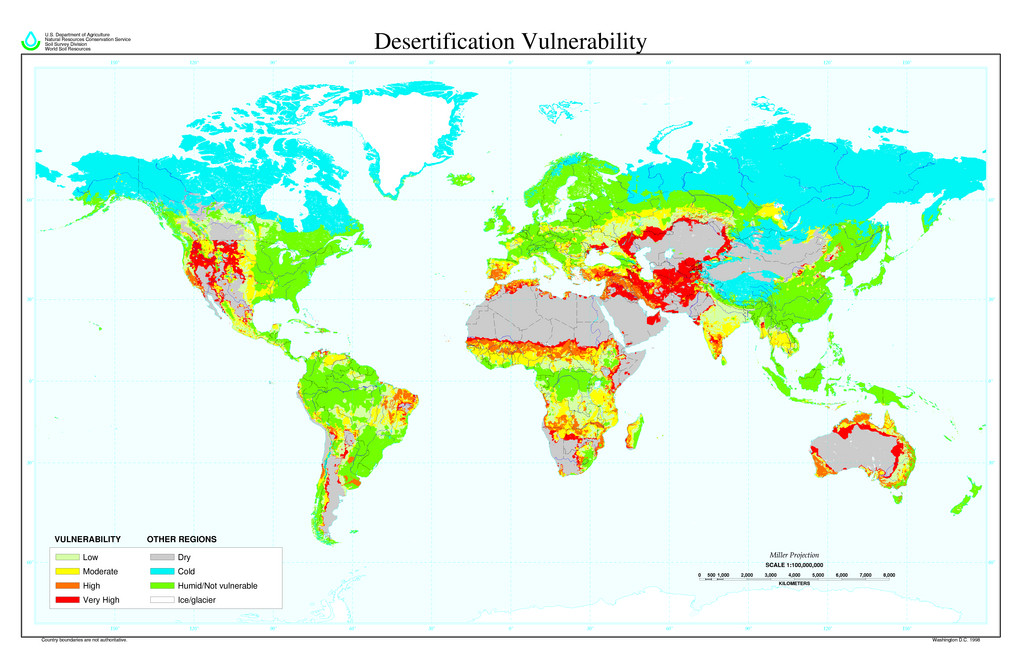
It's important to note that most climate migration happens within a country's borders. People often move to the nearest city or a neighboring region rather than crossing into another country.
The Ripple Effects
This movement of people creates complex socio-economic challenges and opportunities for both the places they leave and the places they arrive.
Origin Areas: When people leave a region, they take their skills, knowledge, and spending power with them. This can lead to a shrinking tax base, struggling local businesses, and what's often called a "brain drain." The remaining population, often older or less mobile, may face declining services and a fractured community. Abandoned properties can fall into disrepair, further diminishing the area's economic prospects.
Destination Areas: Cities and towns that receive climate migrants, sometimes called "climate havens," can experience an economic boost from new residents. However, a rapid influx of people can also strain public services. Schools might become overcrowded, demand for housing can skyrocket, and water and energy infrastructure can be pushed to its limits. This can create social tension between newcomers and longtime residents.
Understanding these dynamics is the first step in preparing for a world in motion. The challenge is not to stop migration, but to manage it in a way that is orderly, safe, and fair for everyone involved.
Which of the following best defines climate migration?
A sudden, catastrophic hurricane that forces thousands to flee their homes is an example of what kind of event?