Climate Migration and Real Estate Futures
Climate Change Basics
Earth's Natural Blanket
The Earth has a natural warming system called the greenhouse effect. Certain gases in the atmosphere trap heat from the sun, much like a blanket keeps you warm at night. This process is essential for life. Without it, the planet's average temperature would be a frigid -18°C (0°F), instead of the comfortable 15°C (59°F) we enjoy.
Sunlight passes through the atmosphere and warms the Earth's surface. The Earth then radiates some of this energy back out as heat. Greenhouse gases absorb this outgoing heat, preventing it from escaping into space and keeping the planet warm.
The problem arises when human activities add extra greenhouse gases to the atmosphere. This thickens the
The Key Gases
While many gases contribute to the greenhouse effect, a few are particularly significant due to their abundance and warming potential. Human activities have dramatically increased their concentrations since the Industrial Revolution.
Greenhouse Gas
noun
A gas that absorbs and emits radiant energy within the thermal infrared range, causing the greenhouse effect.
Here are the main players:
| Gas | Main Human Sources |
|---|---|
| Carbon Dioxide () | Burning fossil fuels (coal, oil, natural gas), deforestation, industrial processes. |
| Methane () | Agriculture (livestock digestion, rice paddies), natural gas production, landfills. |
| Nitrous Oxide () | Agricultural fertilizers, fossil fuel combustion, industrial processes. |
| Fluorinated Gases | Industrial applications like refrigeration, air conditioning, and manufacturing. |
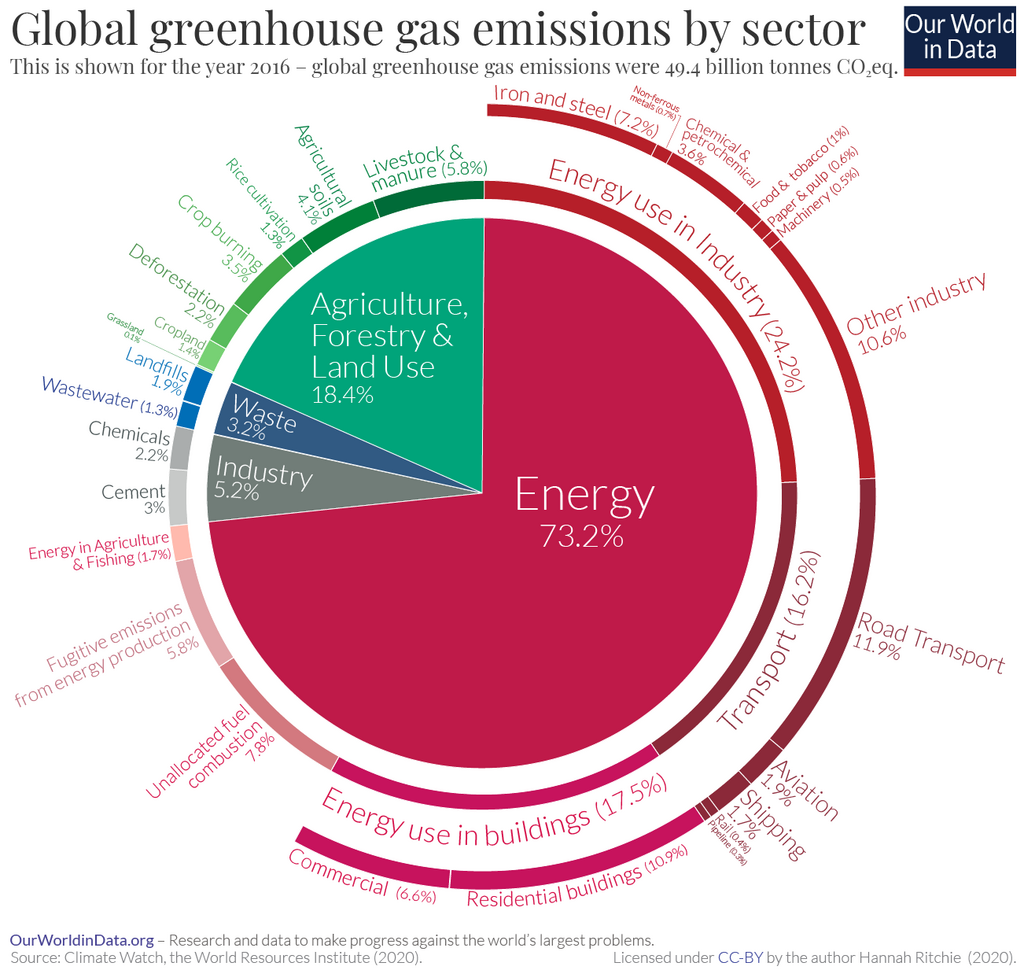
The vast majority of emissions come from the energy sector, which powers our homes, industries, and transportation.
A Warming World
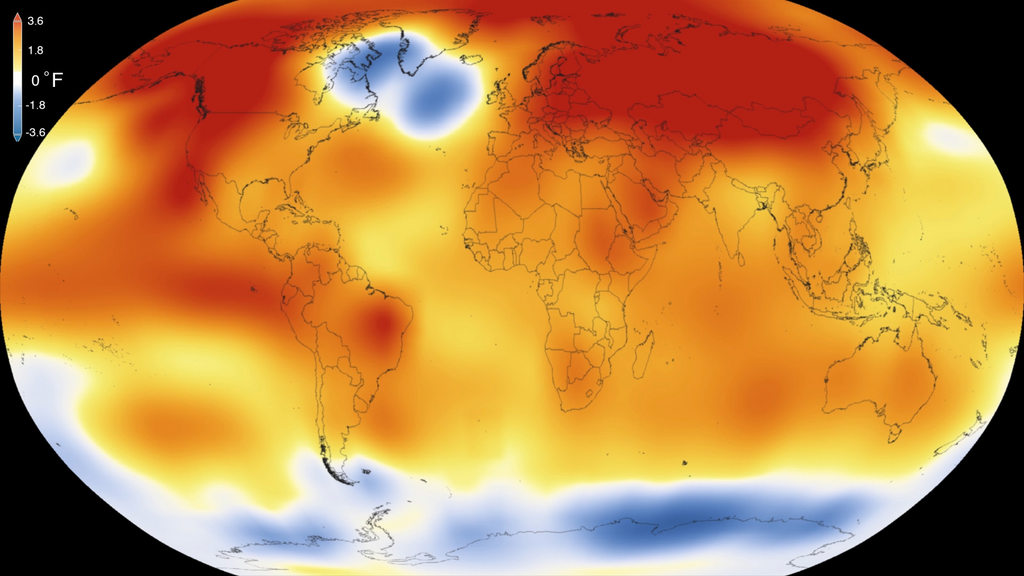
The result of this thicker atmospheric blanket is a steady rise in the planet's average temperature, often called global warming. The evidence is clear and comes from multiple sources. Scientists have tracked a distinct upward trend in global temperatures, especially over the last century.
But warming temperatures are just one piece of the puzzle. We also see other large-scale changes:
- Melting Ice: Glaciers and ice sheets in Greenland and Antarctica are shrinking at an accelerating rate.
- Rising Sea Levels: As ice melts and warmer ocean water expands, global sea levels are rising, threatening coastal communities.
- Extreme Weather: Heatwaves, heavy rainfall, droughts, and powerful storms are becoming more frequent and intense in many parts of the world.
The Ripple Effect
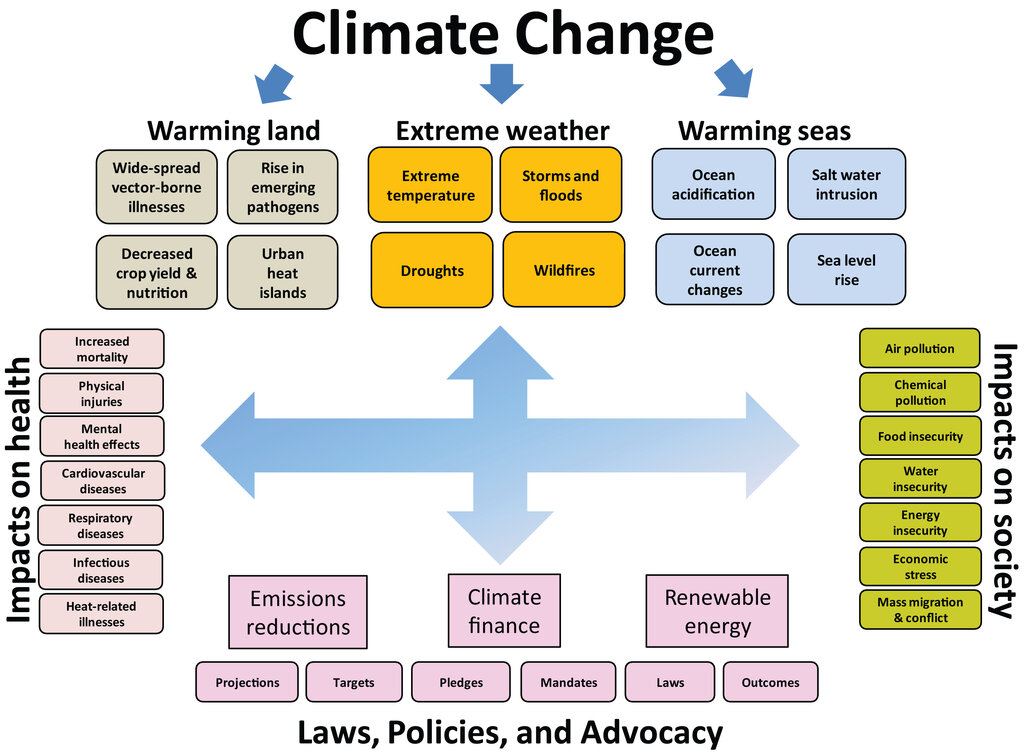
These physical changes have far-reaching consequences for societies and economies around the globe. Climate change isn't just an environmental issue; it's a human issue.
Impacts include disruptions to food and water supplies, damage to infrastructure, and increased risks to human health.
For example, changing weather patterns can lead to crop failures, making food more scarce and expensive. Flooding and storms can destroy homes, roads, and bridges, costing billions in repairs and disrupting daily life. Warmer temperatures can also expand the range of disease-carrying insects and worsen air quality, leading to public health crises.
Understanding these fundamental connections between human activity, greenhouse gases, and global impacts is the first step in addressing the challenges of a changing climate.
Ready to check your understanding?
What is the primary role of the Earth's natural greenhouse effect?
How do human activities primarily intensify the greenhouse effect?
These core concepts lay the groundwork for exploring the more specific ways climate change is reshaping our world.