Climate Migration and Real Estate Futures
Understanding Climate Migration
When Home Is No Longer Home
People have always moved. We move for jobs, for family, or just for a change of scenery. But a new reason for migration is becoming more common: the changing climate. Climate migration is the movement of people because their environment has become unlivable due to long-term climate shifts.
This isn't always a dramatic, sudden exodus. Often, it's a slow, difficult decision made by a family or a community when the land and water they depend on can no longer support them. It’s a farmer leaving behind fields that no longer grow crops, or a fisher moving because the coast has disappeared.
The Primary Drivers
Three major climate-related pressures are forcing people to relocate: rising seas, extreme weather, and a scarcity of essential resources.
Slowly but surely, oceans are creeping higher. For low-lying coastal communities and small island nations, this is an existential threat. Rising sea levels lead to more frequent flooding, contaminate fresh water supplies with salt, and erode land, literally washing away homes and livelihoods.
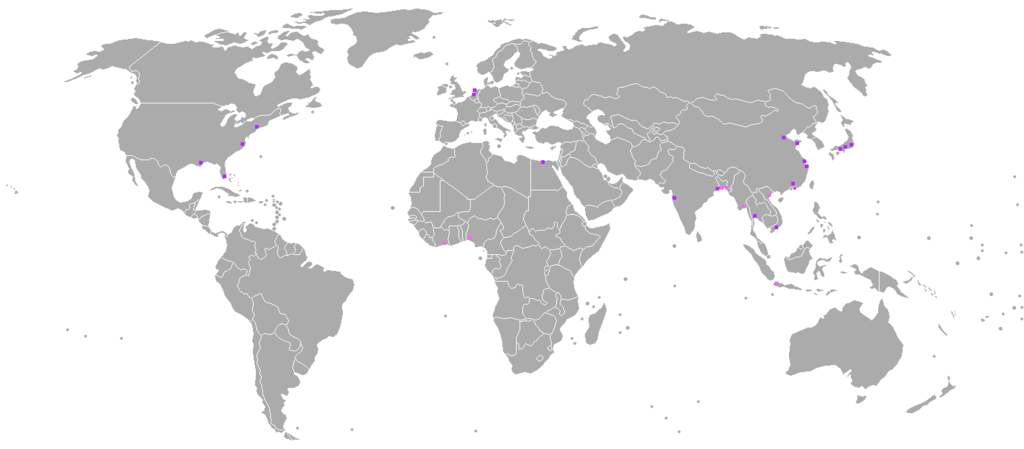
Climate change also intensifies weather events. Hurricanes become stronger, rainfall heavier, and droughts longer and more severe. A single powerful storm can destroy a town's infrastructure overnight, forcing its residents to flee. In other cases, a prolonged drought can make farming impossible, pushing people to search for more fertile ground.
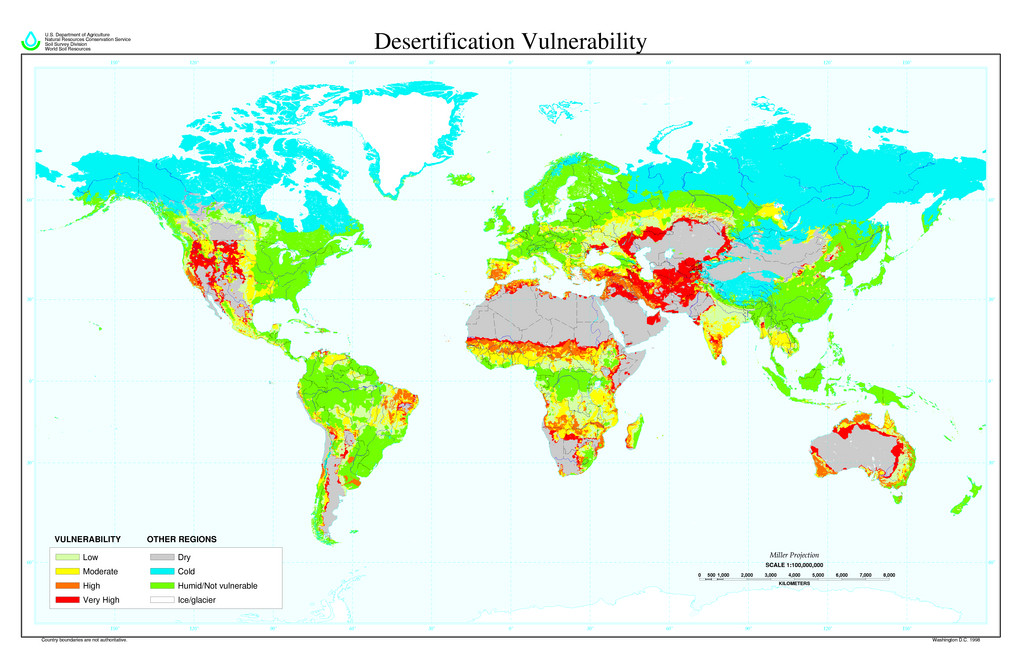
These events often lead to resource scarcity. When rainfall patterns change, water for drinking and agriculture can become dangerously scarce. Land that was once productive can turn to desert, a process called desertification. This makes it impossible to grow food or raise livestock, removing the very foundation of a community's survival.
Where Do People Go?
When people are forced to move, they don't always cross international borders. In fact, most climate-driven migration happens within a country's own borders. This is called internal displacement. A family might move from a vulnerable coastal village to a larger inland city, seeking safety and new opportunities.
Climate migration will largely look like people moving from one neighborhood to another, across town, to the next county over, to a nearby city.
Cross-border migration also occurs, though it is legally more complex as there is currently no formal recognition for "climate refugees" under international law. People who move to another country often do so as a last resort, when there are no viable options left in their home nation.
While climate change is a global problem, its effects on migration are felt most acutely in specific regions. Sub-Saharan Africa, South Asia, and Latin America are often cited as hotspots. These regions face a combination of factors, including heavy reliance on agriculture, high poverty rates, and significant exposure to climate hazards like droughts and floods. Small Island Developing States, particularly in the Pacific, also face immense pressure from rising sea levels.
A Ripple Effect
Climate migration creates profound social and economic impacts. For the areas people leave behind, there can be a loss of culture, a breakdown of community ties, and an aging population as younger people are often the first to move. These "sending" communities become more vulnerable over time.
For the "receiving" areas, a sudden influx of people can strain public services like housing, healthcare, and schools. Competition for jobs can increase, and social tensions may arise between the existing population and newcomers. However, migrants can also bring new skills, contribute to the local economy, and add to the cultural diversity of their new home.
The challenge is managing this movement in a way that is safe, orderly, and beneficial for both the migrants and their host communities.
Now, let's review what you've learned about the complex issue of climate migration.
What is the primary driver of climate migration?
Which of the following is NOT a major climate-related pressure forcing people to relocate?