Climate Migration and Real Estate Forecasting
Climate Migration Basics
The Great Relocation
People have always moved. We migrate for jobs, for family, or for a change of scenery. But now, a new reason is pushing millions to pack their bags: the climate. Climate migration is the movement of people due to changes in their natural environment brought on by climate change. It’s not about seeking a sunnier place to live, but often about leaving a place that is becoming unlivable.
Climate Migration
noun
The movement of a person or a group of persons who, for compelling reasons of sudden or progressive change in the environment that adversely affects their lives or living conditions, are obliged to leave their habitual homes, or choose to do so, either temporarily or permanently, and who move either within their country or abroad.
The Push Factors
Several major environmental shifts are driving this movement. Think of them as push factors, making a home region less viable.
One of the most visible drivers is sea-level rise. As the planet warms, glaciers melt and ocean water expands. For low-lying coastal communities and island nations, this isn't an abstract threat. It means more frequent flooding, saltwater contaminating drinking water and farmland, and the slow-motion erosion of the land itself.
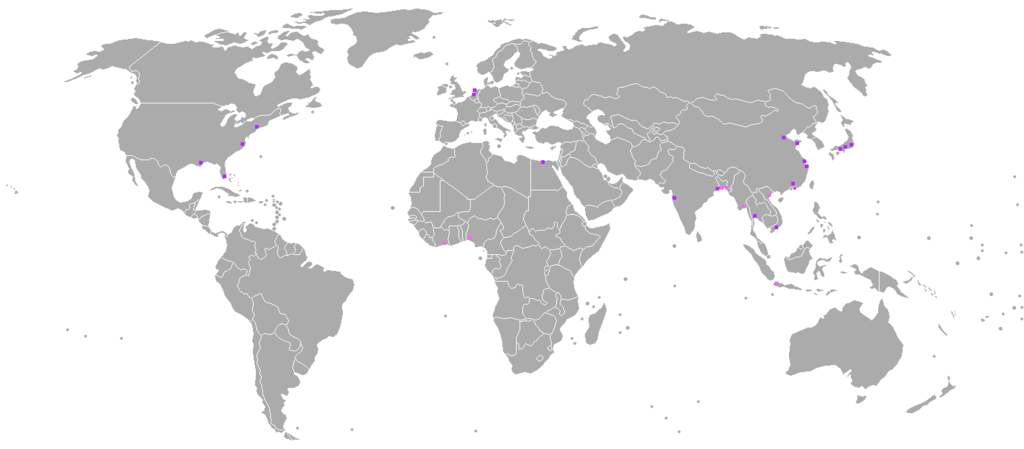
Extreme weather events are another powerful driver. Hurricanes, wildfires, and floods are becoming more frequent and intense. These events can destroy homes, businesses, and infrastructure in an instant, leaving people with no choice but to relocate. A single catastrophic storm can displace an entire community overnight.
Finally, there's resource scarcity. Climate change disrupts weather patterns, leading to prolonged droughts in some regions and devastating floods in others. This makes farming difficult, if not impossible, and can lead to severe water shortages. When people can no longer grow food or find clean water, they are forced to move to survive.
A Choice or a Necessity?
Climate migration isn't a single experience. It falls on a spectrum from voluntary to forced.
Forced migration, or displacement, happens when people have no other option but to flee. This is common after a sudden disaster, like a hurricane that wipes out a town. Their homes are gone, their livelihoods destroyed, and staying is not a viable choice. These individuals are often referred to as climate refugees or internally displaced persons (IDPs).
Voluntary migration is more of a preemptive move. People in at-risk areas may see the long-term trends—rising flood insurance costs, worsening heat waves, declining crop yields—and decide to relocate before a catastrophe hits. It’s a calculated choice to seek a more stable and secure future, but it's a choice made under the heavy pressure of environmental change.
Forced migration is a reaction to disaster. Voluntary migration is an anticipation of it.
Global Patterns
Climate migration is happening everywhere, but some regions are more vulnerable than others. Low-lying island nations in the Pacific, coastal areas in South and Southeast Asia like Bangladesh and Vietnam, and parts of sub-Saharan Africa facing desertification are considered hotspots.
Most climate migration today occurs within national borders. People often move from rural areas to nearby cities in search of work after their agricultural livelihoods fail. This internal movement is far more common than crossing international borders.
Climate migration will largely look like people moving from one neighborhood to another, across town, to the next county over, to a nearby city.
Who moves? The decision to migrate is complex and often tied to resources. It’s not always the poorest who leave first. Migration requires money and connections, which the most vulnerable often lack. This can lead to a phenomenon known as “trapped populations,” where people who are most at risk from climate impacts are unable to move to safer locations.
Conversely, those with the financial means may be the first to move voluntarily, seeking out areas perceived as “climate havens” with milder weather and more stable resources.
As our planet continues to change, so will the patterns of where and how we live. Understanding the fundamentals of climate migration is the first step in recognizing one of the most significant human stories of our time.