Climate Migration and Real Estate Forecasting
Climate Migration Basics
What is Climate Migration?
Climate migration is the movement of people driven by sudden or long-term changes in their local environment. These changes are a direct result of climate change, making it difficult or impossible for people to continue living in their homes.
migration
noun
The movement of people from one place to another with the intention of settling, permanently or temporarily, at a new location.
Unlike seeking economic opportunity or fleeing conflict, climate migrants are displaced by forces like rising sea levels, intense droughts, and increasingly frequent extreme weather events. This movement can be within a country's borders or, less commonly, across them. It's a story of adaptation in the face of a changing planet.
Primary Drivers
Three major consequences of climate change are pushing people to relocate.
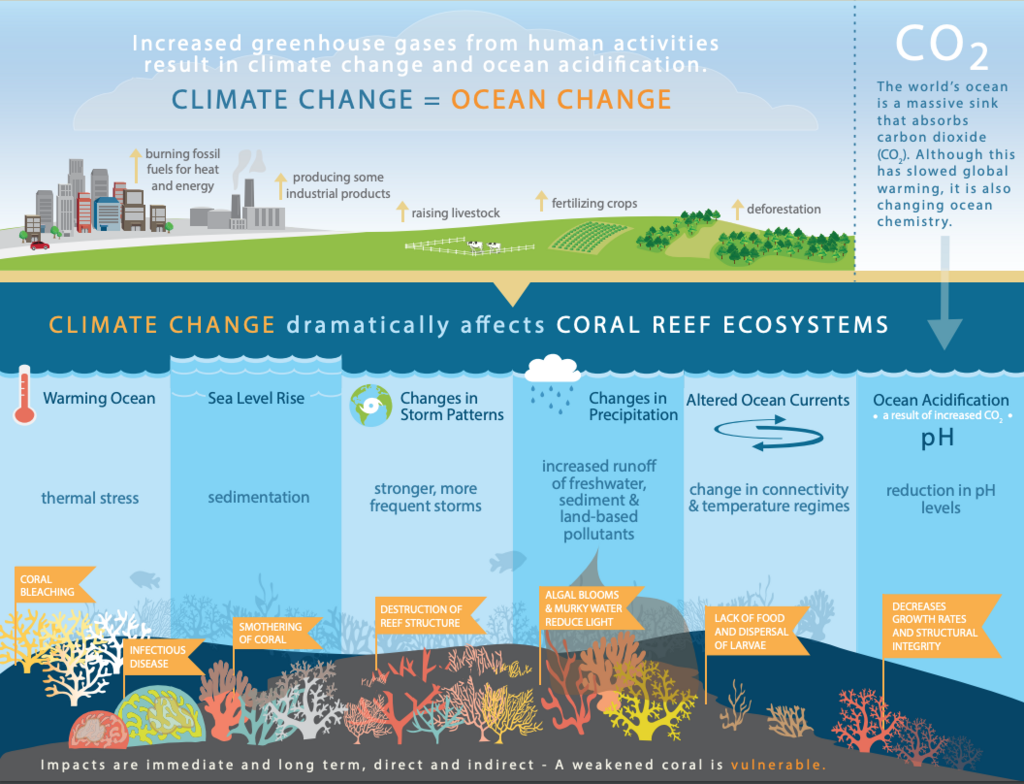
Sea-Level Rise: As global temperatures increase, ice sheets and glaciers melt, and the ocean water itself expands. For low-lying coastal communities and island nations, this isn't a distant threat. It means gradual flooding, loss of freshwater sources to saltwater intrusion, and the erosion of shorelines, eventually making areas uninhabitable.
Extreme Weather Events: Climate change is intensifying storms, hurricanes, and floods. A single catastrophic event can destroy homes, infrastructure, and livelihoods in a matter of hours, forcing entire communities to evacuate and often leaving them with no home to return to.
Prolonged Droughts: In other regions, the problem is a lack of water. Shifting weather patterns can lead to long periods of drought, causing crop failure and water scarcity. This affects food security and local economies, particularly in agricultural areas, compelling people to move in search of more fertile and livable conditions.
A History of Moving
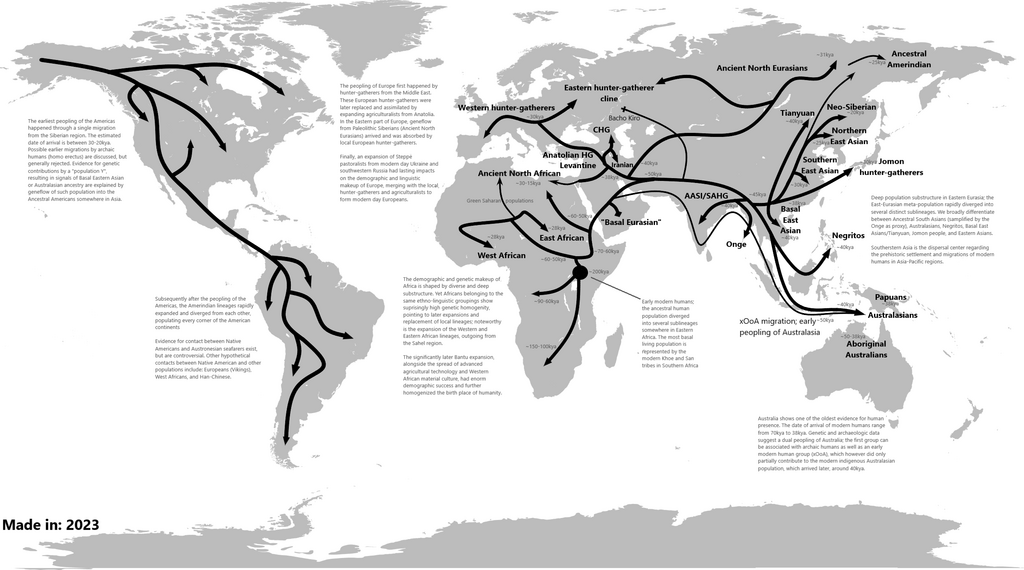
Humans have always moved in response to environmental changes. For millennia, our ancestors migrated to find more favorable climates, follow food sources, and escape natural disasters. The story of human civilization is a story of movement.
A more recent historical example is the Dust Bowl in the 1930s. A severe, years-long drought in the American Great Plains, combined with poor farming practices, turned millions of acres of farmland into arid wasteland. Hundreds of thousands of families were forced to abandon their homes and migrate westward in search of work and a new life.
What's different today is the speed and scale of the changes. Human-caused climate change is accelerating these environmental pressures globally, leading to migration on a level never seen before.
Increasingly, worsening climate effects, including heat waves, wildfires, floods, droughts, and sea level rise, are leading a growing number of Americans to have second thoughts about where they are living and to decide to move to places that are perceived to be less exposed to these impacts, according to anecdotal reports and a growing volume of academic research.
Most of this movement happens within national borders. People often move from a rural area to a nearby city, or from a vulnerable coastal town to a safer one inland.
Contrary to what many imagine, climate migration isn't always a dramatic, long-distance journey. More often, it's a short-term, local, or regional relocation.
This pattern highlights a crucial reality: climate change is already reshaping communities everywhere, not just in distant, far-off places. It's a local issue as much as it is a global one.
What is the primary factor that distinguishes climate migration from other forms of migration?
Which of the following is a direct consequence of rising sea levels that forces communities to relocate?
Understanding the basics of climate migration helps us see how interconnected our world is and how environmental changes can have profound effects on people's lives.