Climate Migration and Real Estate Forecasting
Climate Migration Basics
What Is Climate Migration?
Climate migration is the movement of people driven by sudden or gradual changes in their environment. These changes are linked to climate change, making it difficult or impossible to keep living in the same place.
Think of it less like a single decision to pack up and leave, and more like a scale tipping. On one side are all the reasons to stay: family, community, and a sense of home. On the other side, climate change adds weight—a flood one year, a poor harvest the next, rising insurance costs—until the scale tips, and moving becomes the most viable option.
Climate Migrant
noun
A person who is displaced or chooses to move due to the effects of climate change, such as sea-level rise, extreme weather events, or drought.
The Forces Pushing People to Move
Several factors, often overlapping, can compel people to relocate. The most immediate are extreme weather events. A single powerful hurricane can destroy homes and infrastructure, displacing entire communities overnight. Similarly, rampant wildfires can turn neighborhoods to ash, forcing residents to seek safety elsewhere.
Slower, more gradual changes can be just as powerful. Rising sea levels are a quiet but relentless threat to coastal communities, leading to regular flooding and saltwater contamination of fresh water and farmland. In other regions, prolonged droughts and desertification make agriculture impossible, depleting food and water sources and undermining local economies.
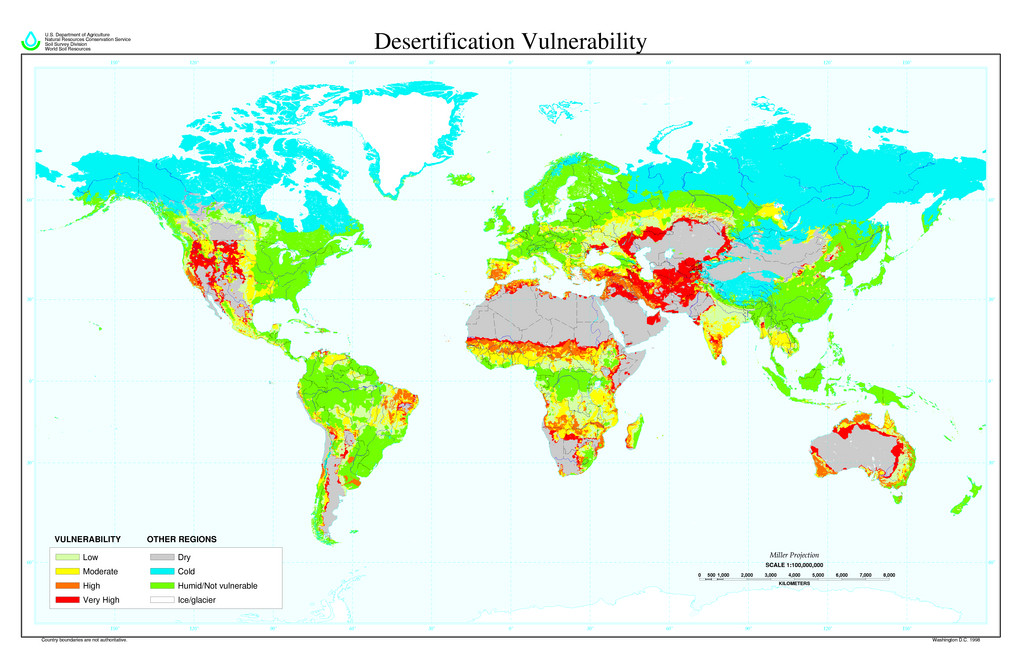
These drivers don't exist in a vacuum. A family might endure one bad harvest, but when it's compounded by a flood and rising food prices, staying becomes unsustainable. This combination of pressures is what defines the experience of many climate migrants.
Where Do People Go?
When we hear about migration, we often picture people crossing international borders. But with climate migration, that's rarely the case. The vast majority of people move within their own countries. This is known as internal displacement.
Climate migration will largely look like people moving from one neighborhood to another, across town, to the next county over, to a nearby city.
Someone from a flooded coastal village might relocate to a larger city inland. A farmer from a drought-stricken region might move to an area with more stable work. These shorter-distance moves are more common because they are more affordable and allow people to maintain some cultural and social ties. Cross-border migration is far more complex, involving legal hurdles, high costs, and the challenges of starting over in a new country. While it happens, it is not the typical story of a climate migrant.
Who Is Most Affected?
Climate migration affects people from all walks of life, but it doesn't impact everyone equally. The most vulnerable are often those with the fewest resources to adapt. This includes small-scale farmers who depend on predictable weather, coastal fishing communities whose livelihoods are tied to the ocean, and indigenous peoples whose cultures are deeply connected to their ancestral lands.
Demographically, these are often low-income populations in developing nations, particularly in regions like sub-Saharan Africa, South Asia, and Latin America. These areas are not only on the front lines of climate impacts but also have limited government capacity to support displaced populations. Women and children often face disproportionate risks during and after migration, including heightened vulnerability to exploitation and loss of access to education and healthcare.
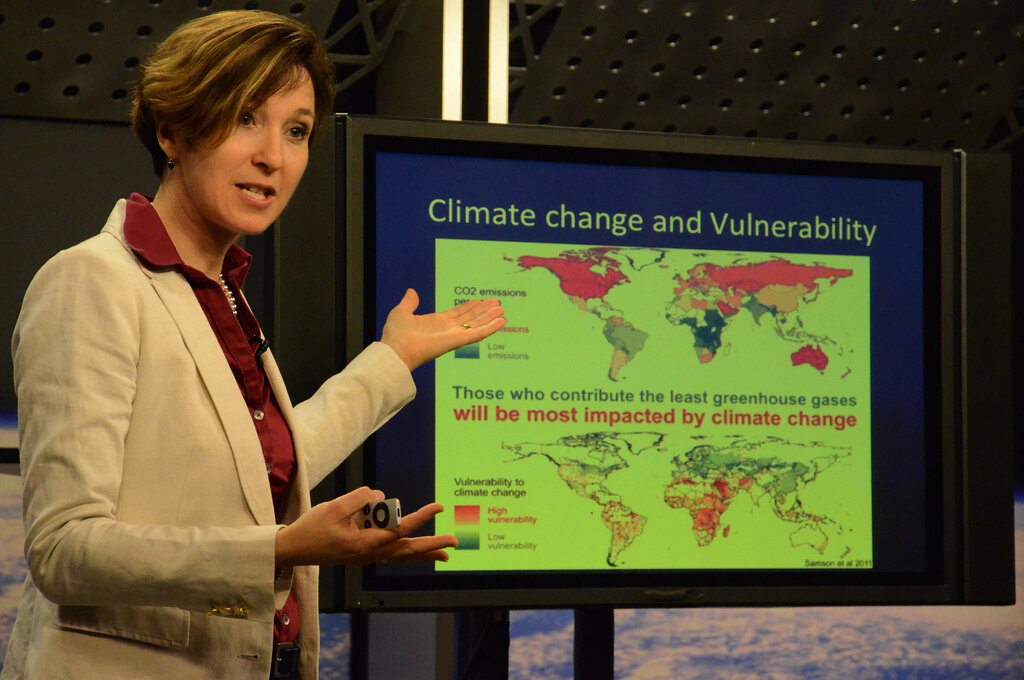
However, climate migration is a global phenomenon. Developed countries are also experiencing internal displacement due to wildfires, floods, and powerful storms. In any context, the common thread is that those with less economic stability have fewer options to withstand or recover from environmental shocks, making migration their only choice.
Now, let's test your understanding of these core concepts.
What is the primary driver of climate migration?
The "tipping scale" analogy for climate migration illustrates that the decision to move is typically...
Understanding who moves, why they move, and where they go is the first step in grasping the human dimension of climate change. It's a complex, growing issue that connects our environment with the very fabric of our communities.