Climate Migration and Real Estate Forecasting
Introduction to Climate Migration
When Home Is No Longer Home
People have always moved. We move for jobs, for family, or for a fresh start. But a new reason is forcing millions from their homes: the changing climate. Climate migration is the movement of people because their environment can no longer safely support them. It’s not a choice in the usual sense. It's a response to survival.
This movement isn't a single, dramatic event. It can be a slow trickle or a sudden flood of people. It’s happening right now, reshaping communities and challenging our idea of what home means.
The Forces Behind the Move
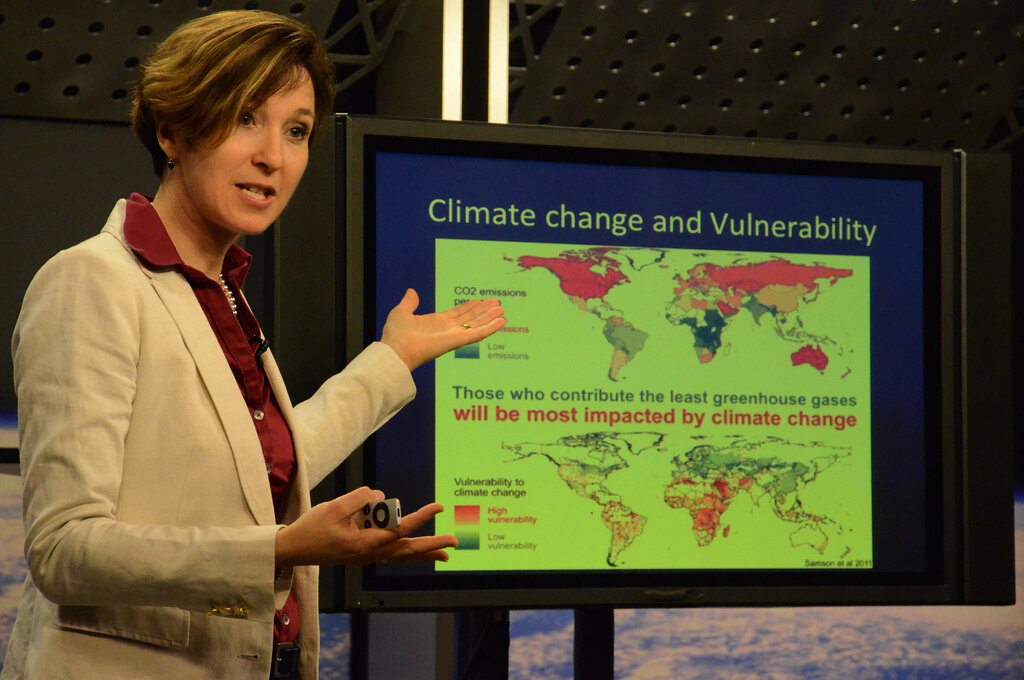
Three main climate pressures are pushing people to migrate. Sometimes they act alone, but often they overlap, creating unbearable conditions.
The first is slow-onset environmental degradation. This is the quiet creep of change. Think of a farmer whose land becomes too dry to grow crops year after year. Or a coastal community where the fish populations have vanished due to warming waters. This isn't a single disaster, but a gradual erosion of a way of life. Desertification in the Sahel region of Africa, for example, has forced herders and farmers to abandon lands their families have worked for generations.
The second driver is extreme weather events. These are the headline-grabbing disasters: the hurricanes, typhoons, wildfires, and floods that can destroy a community in a day. When a storm like Hurricane Maria hits Puerto Rico or wildfires rage through California, entire neighborhoods can be wiped out, leaving residents with nothing to return to. These events often trigger immediate, large-scale displacement as people flee for their lives.
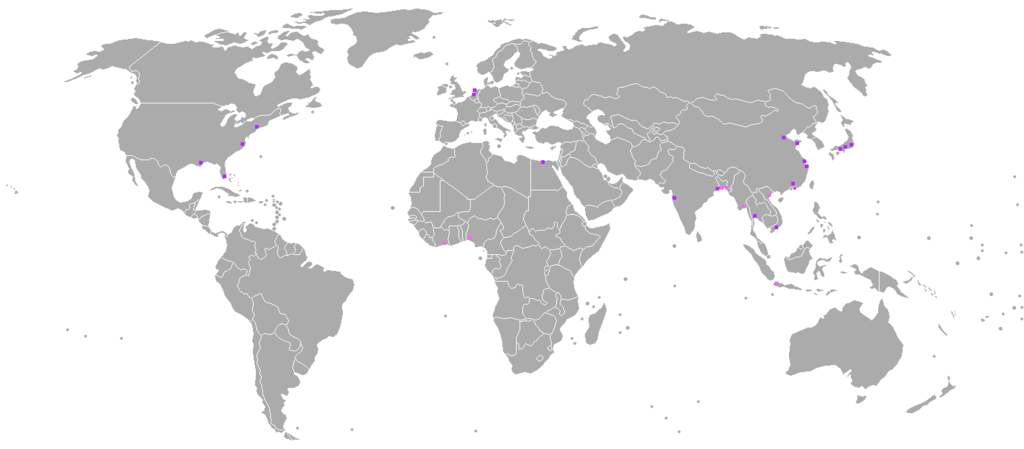
Finally, there is sea-level rise. For low-lying coastal areas and small island nations, this is an existential threat. As oceans warm and expand, and ice sheets melt, shorelines are eroding. Saltwater intrudes into freshwater supplies, poisoning agricultural land and drinking wells. For nations like Kiribati or the Maldives, the very ground they stand on is slowly disappearing.
Crossing a Field or a Border
When people are uprooted by climate change, their journeys take different forms. The vast majority become internally displaced. This means they move within their own country's borders. A family from a flooded coastal village in Bangladesh might move to the capital, Dhaka. A farmer from a drought-stricken part of Syria might relocate to a larger city.
Internal displacement is the most common type of climate migration. While these individuals don't cross an international border, they still face immense challenges, often arriving in overcrowded urban areas with few resources and limited support networks.
Cross-border migration also occurs, but it's more complex. People who flee their country due to climate impacts are often called 'climate refugees.' However, this term has no legal standing under international law. The 1951 Refugee Convention protects people fleeing persecution, not environmental disaster. This legal gap leaves climate migrants in a precarious position, without clear rights or protections once they cross a border.
Challenges on a Global Scale
Climate migration creates a ripple effect of challenges. For the displaced, the loss is profound. They lose their homes, their livelihoods, and often their cultural heritage. They face poverty, food insecurity, and health risks in their new environments.
Host communities also face pressure. The arrival of large numbers of people can strain resources like water, housing, and social services. It can lead to social tensions and competition for jobs. Planning for this influx is a major challenge for cities and governments worldwide, especially in regions that are already struggling with their own climate vulnerabilities.
As the planet continues to warm, climate migration will become an increasingly defining feature of the 21st century. Understanding its causes and consequences is the first step toward addressing one of the most significant human challenges of our time.