Climate Migration and Real Estate Forecasting
Climate Migration Basics
Moving with the Climate
For as long as humans have existed, we have moved. We've sought new opportunities, fled from danger, and searched for better places to live. Climate has always been a major, if sometimes invisible, force guiding these journeys. When the environment changes, making a place too hot, too cold, too dry, or too wet, people eventually pack up and leave.
Climate Migration
noun
The movement of people from their homes, either temporarily or permanently, due to sudden or long-term changes in their local climate.
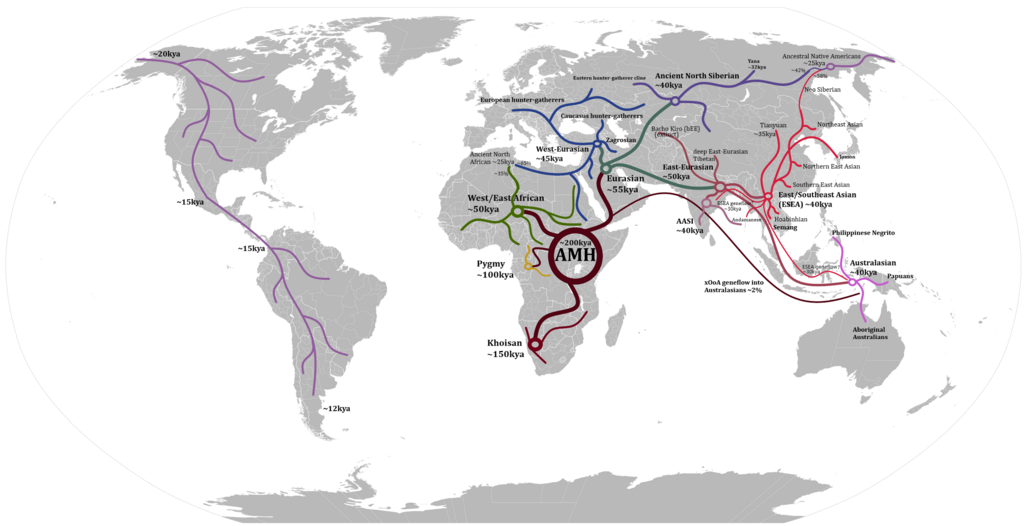
This isn't a new story. The earliest humans spread out of Africa and across the globe in response to shifting ice ages and changing climates that altered landscapes and food sources. The collapse of some ancient civilizations, like the Maya in Central America or the Ancestral Puebloans in the American Southwest, has been linked to severe, prolonged droughts that made agriculture impossible.
More recently, the American Dust Bowl of the 1930s serves as a powerful example. A combination of severe drought and poor farming practices turned the Great Plains into a dust-choked wasteland, forcing hundreds of thousands of families to abandon their farms and migrate west in search of work.
The Modern Pressures
While the idea of moving for environmental reasons is ancient, the speed and scale of today's climate change are creating new and more intense pressures. These drivers can be broken down into a few key categories.
Slow and Sudden Drivers
Some climate impacts, like sea-level rise, gradually make an area unlivable. Others, like a hurricane or wildfire, can force people from their homes in an instant.
First, there's sea-level rise. As the planet warms, glaciers melt and ocean water expands. For the millions living in low-lying coastal areas, this isn't an abstract threat. It means more frequent flooding, saltwater contaminating freshwater supplies, and the slow-motion erosion of the land itself. Over time, it can make entire neighborhoods and even cities uninhabitable.
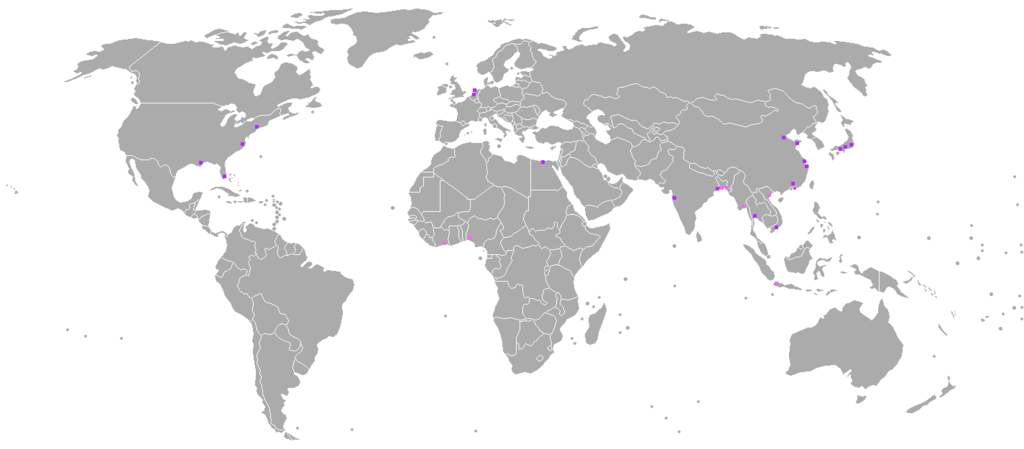
Second are extreme weather events. The frequency and intensity of hurricanes, floods, and wildfires are increasing. A single catastrophic event can destroy homes and infrastructure, forcing an immediate and often permanent relocation. Unlike the slow creep of rising seas, these events are sudden shocks that can displace thousands of people overnight.
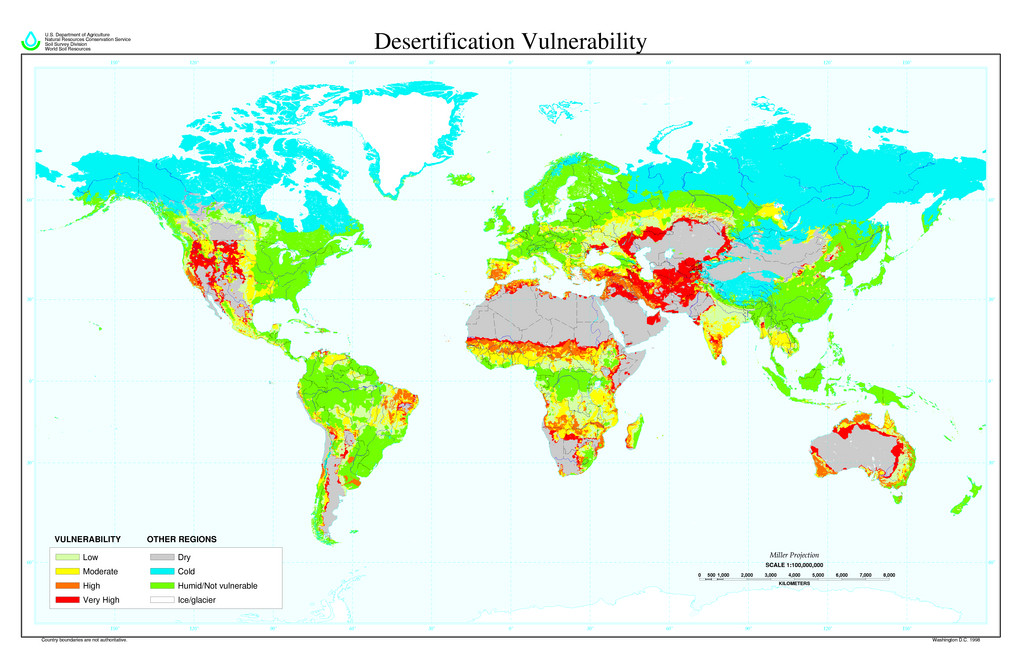
Finally, there's resource scarcity. Long-term changes in weather patterns lead to prolonged droughts and desertification in some regions. This directly impacts agriculture, making it difficult for farmers to grow crops and raise livestock. It also strains water supplies for drinking and sanitation. When a region can no longer support its population with basic resources like food and water, people are forced to move elsewhere to survive.
Current Trends
So what does this movement look like today? For one, most climate migration is internal. It's not typically a story of people crossing international borders, but rather of moving within their own country. A family might move from a vulnerable coastline to a city further inland, or from a drought-stricken rural area to a nearby town.
Climate migration will largely look like people moving from one neighborhood to another, across town, to the next county over, to a nearby city.
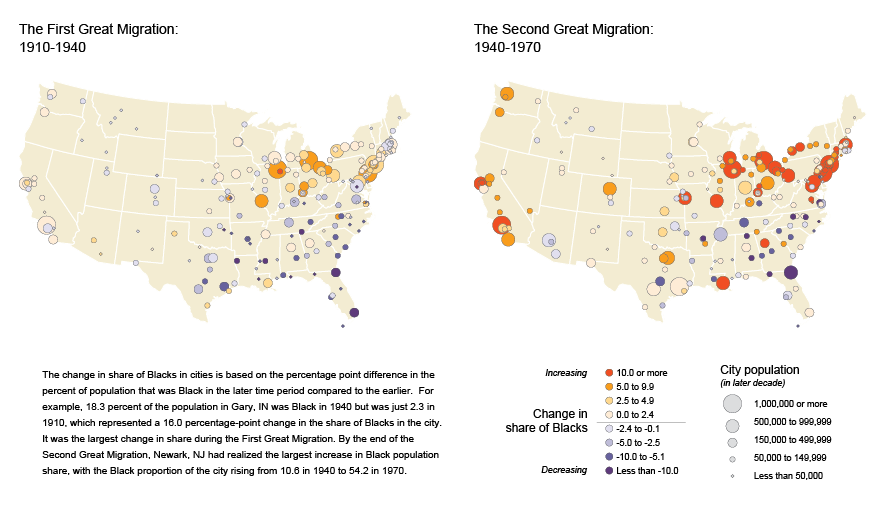
This pattern often results in increased urbanization as people seek new economic opportunities in cities after leaving agricultural areas. This internal shift is a defining feature of modern climate migration. The scale could be enormous, potentially echoing historical movements like the Great Migration of African Americans in the 20th century, which reshaped the demographics of the United States.
Understanding these basic drivers and patterns is the first step. By recognizing that climate migration is already underway, we can begin to grasp how these population shifts will influence communities, economies, and landscapes for decades to come.