Climate Migration and Real Estate Forecasting
Introduction to Climate Migration
A Planet on the Move
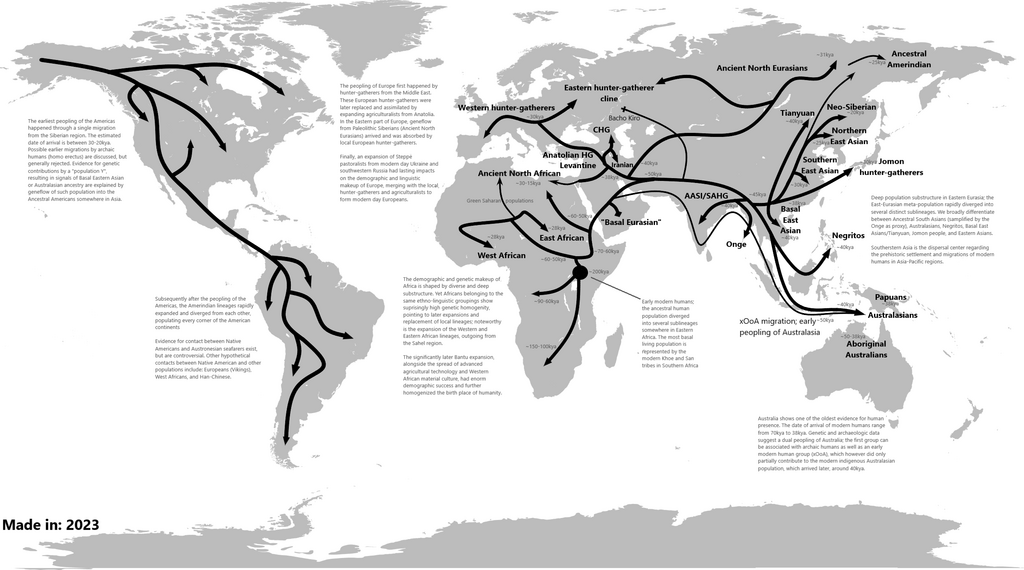
For as long as humans have existed, we have moved. We've crossed continents, oceans, and mountains in search of better conditions, more resources, or safer homes. Climate has always been a quiet character in this story, shaping the landscapes we inhabit and influencing our decisions. Now, its role is becoming much more prominent.
Climate Migration
noun
The movement of people from one place to another, either within their country or across borders, because of sudden or long-term changes to their local environment. These changes are driven by climate change.
This movement isn't a single event but a complex process. Sometimes it's a permanent relocation, other times it's temporary. It can be a choice or a necessity. While the idea of moving due to environmental factors is ancient, the scale and speed we see today are new.
A more recent historical example is the American Dust Bowl in the 1930s. A severe, multi-year drought, combined with poor farming practices, turned fertile plains into a dust-filled wasteland. Hundreds of thousands of families were forced to abandon their farms and migrate, mostly westward, in search of work and a new life. They were, in essence, climate refugees within their own country.
What Pushes People to Move
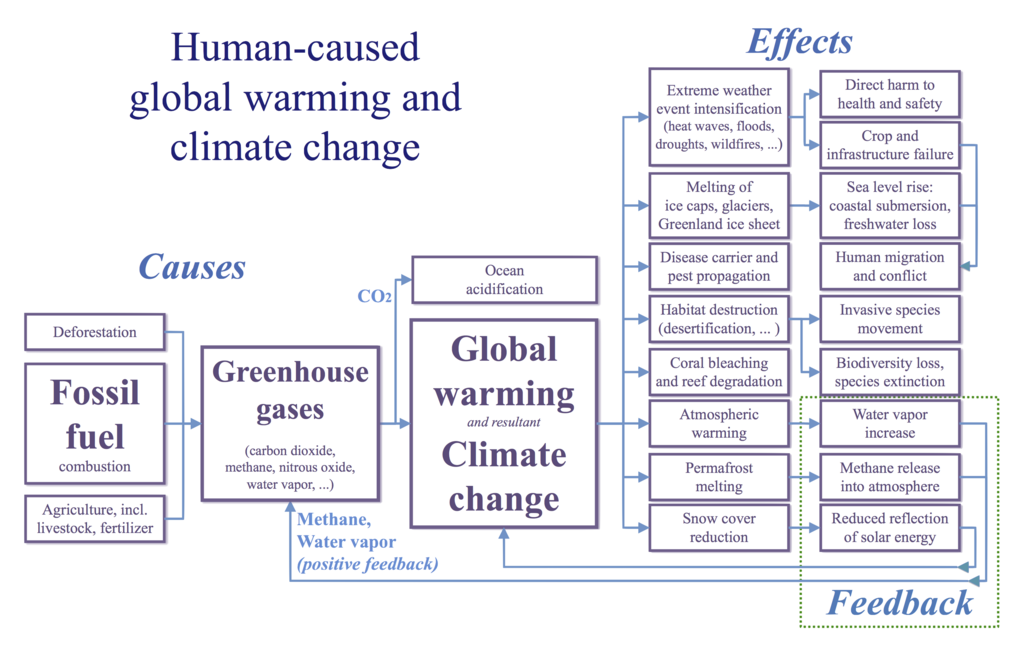
Climate migration is rarely a simple decision. It’s often a response to powerful environmental pressures that make life in a particular place difficult or impossible. These drivers can be broken down into three main categories.
- Extreme Weather Events: Sudden and destructive events like hurricanes, floods, and wildfires can displace thousands in an instant. These disasters destroy homes, infrastructure, and livelihoods, forcing people to seek shelter elsewhere.
Think of a coastal community hit by a powerful hurricane. In the aftermath, homes are gone, the power grid is down, and clean water is scarce. For many, returning isn't an option, and a temporary evacuation becomes a permanent move.
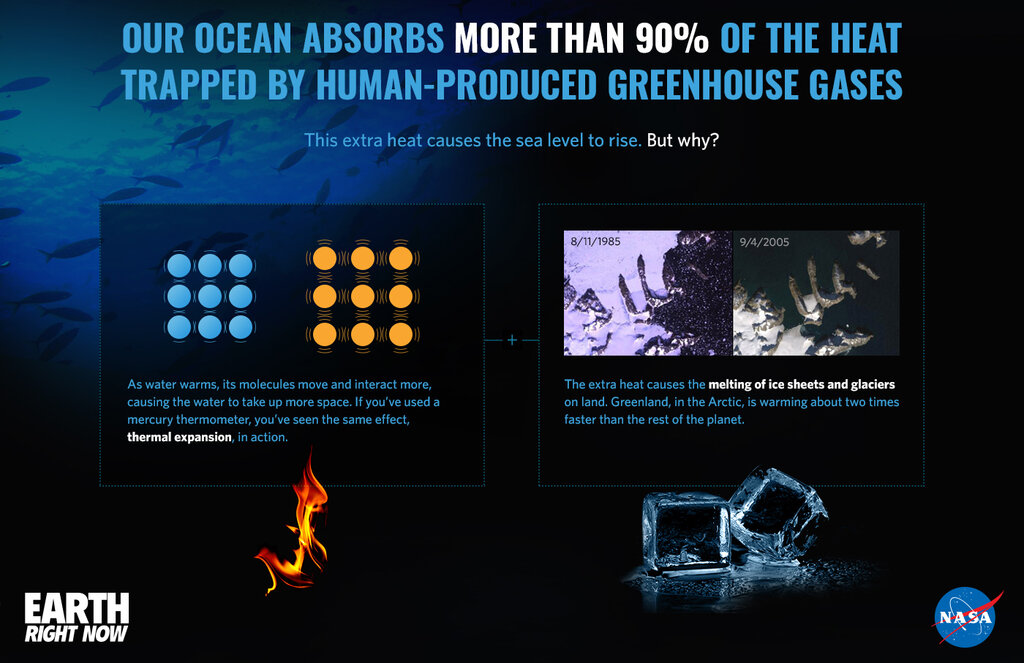
- Sea-Level Rise: This is a slower, more creeping threat, but its impact is just as profound. As global temperatures rise, two things happen: ocean water expands, and ice sheets in Greenland and Antarctica melt. Both contribute to rising sea levels.
For low-lying coastal areas and small island nations, this is an existential threat. Rising waters lead to more frequent flooding, saltwater intrusion into freshwater supplies, and the gradual erosion of land.
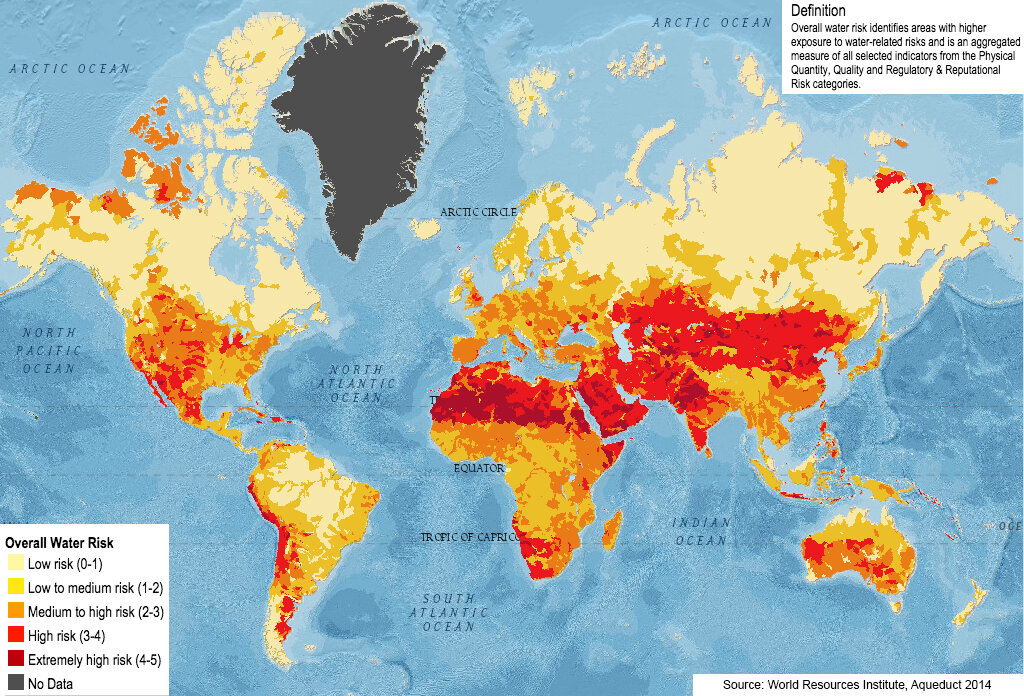
- Resource Scarcity: Climate change also disrupts the fundamental resources we need to survive. Prolonged droughts can dry up rivers and reservoirs, leading to severe water shortages. Changing weather patterns can make traditional farming impossible, causing crop failures and food insecurity.
When people can no longer grow food or find clean water, they are often left with no choice but to move. This type of migration often happens gradually, as conditions worsen over time.
Current Trends
Today, climate migration is a global phenomenon. The World Bank estimates that without significant climate action, there could be over 200 million internal climate migrants by 2050. This isn't a distant future; it's happening now.
Increasingly, worsening climate effects, including heat waves, wildfires, floods, droughts, and sea level rise, are leading a growing number of Americans to have second thoughts about where they are living and to decide to move to places that are perceived to be less exposed to these impacts, according to anecdotal reports and a growing volume of academic research.
Most climate migration occurs within national borders. People move from a vulnerable rural area to a nearby city, or from a coastline inland. It's a shift from a place of high risk to one perceived as safer. These movements create new demographic patterns, as some regions lose population while others gain it.
What is the primary difference between historical human migration and the climate migration occurring today?
The American Dust Bowl of the 1930s, which caused many families to abandon their farms, is a major historical example of ______ climate migration.