Climate Migration and Real Estate Forecasting
Climate Migration Basics
When Home Is No Longer Home
For centuries, people have moved for opportunity, family, or freedom. Today, a new reason is pushing millions from their homes: the changing climate. This movement, driven by environmental shifts, is known as climate migration.
Climate migration is the movement of people due to changes in their natural environment. These changes are often linked to climate change, making their homes less safe or viable.
Unlike moving for a new job, climate migration is often a response to a threat. It can be a sudden escape from a natural disaster or a gradual retreat from a landscape that can no longer support a community. This movement is reshaping populations on a local, national, and global scale.
The Push Factors
The environmental pressures that cause people to move can be broadly split into two categories: sudden events that happen without much warning, and slow changes that unfold over years or decades.
Sudden-onset events are immediate, powerful disasters like hurricanes, floods, and wildfires. They can destroy homes, infrastructure, and livelihoods in a matter of hours or days, forcing entire communities to evacuate and relocate.
For example, a severe hurricane can make a coastal town uninhabitable overnight. Residents are displaced instantly, often with no home to return to. While some may eventually go back and rebuild, many will move permanently, starting new lives elsewhere.
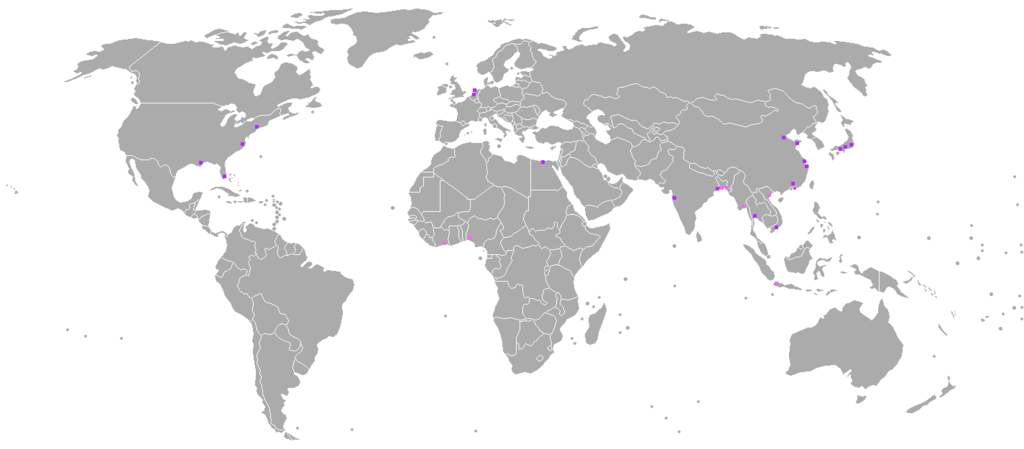
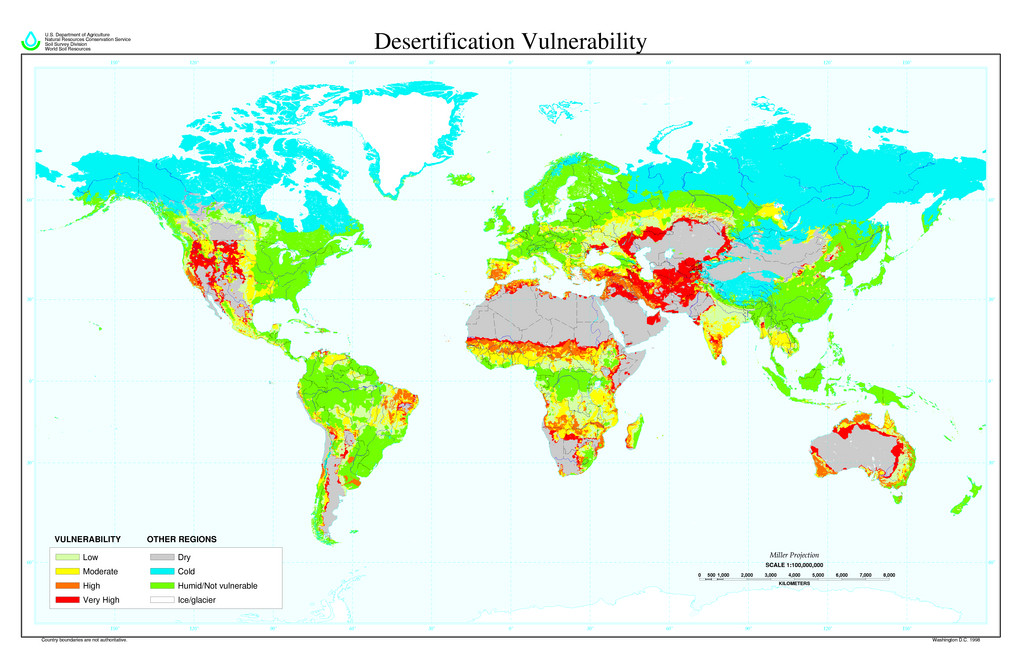
Slow-onset changes are more gradual but just as disruptive. These include processes like desertification, sea-level rise, and persistent drought. They slowly degrade the environment until it can no longer sustain the people who live there.
Think of a farming community facing years of declining rainfall. Crops fail, livestock perish, and fresh water becomes scarce. Over time, families are forced to leave in search of more fertile land and stable resources. Similarly, as oceans rise, saltwater contaminates coastal farmland and freshwater sources, making life increasingly difficult for millions.
Global Patterns and Trends
Climate migration is a global phenomenon, but it doesn't affect all regions equally. The majority of this movement happens within countries, not across international borders. People often move from rural areas to nearby urban centers, seeking new opportunities when their old way of life is no longer possible.
Climate migration will largely look like people moving from one neighborhood to another, across town, to the next county over, to a nearby city.
Developing nations, particularly in Sub-Saharan Africa, South Asia, and Latin America, are disproportionately affected. Their economies often depend heavily on agriculture and natural resources, making them more vulnerable to climate shifts. Furthermore, these regions often have fewer resources to adapt to the changes, leaving migration as one of the few available options for survival.
As the planet continues to warm, these trends are expected to accelerate. Understanding the basics of who is moving, where they are going, and why is the first step in addressing one of the most significant human challenges of our time.
What is the primary driver of climate migration?
Which of the following is an example of a slow-onset event that can lead to climate migration?