Climate Migration and Real Estate Forecasting
Climate Migration Basics
When Home Is No Longer Home
For most of human history, migration has been driven by conflict, economics, or the search for opportunity. But a new powerful force is reshaping why and where people move: the changing climate. This movement is called climate migration.
Climate Migrant
noun
A person who is forced to leave their home region due to sudden or long-term changes to their local environment. These changes compromise their well-being or secure livelihood.
Climate migration isn't always a dramatic, headline-grabbing event. It can be triggered by a sudden disaster, like a hurricane that wipes out a town, forcing an immediate evacuation. But more often, it's a slow, creeping process. Gradual changes like rising sea levels, persistent droughts, or the slow expansion of a desert can make a place unlivable over years or decades.
Most of this movement happens within a country's own borders. People might move from a vulnerable coastal area to an inland city, or from a dried-up farm to a nearby town. International migration due to climate change is less common, but it does happen, especially when environmental pressures cross borders.
The Main Drivers
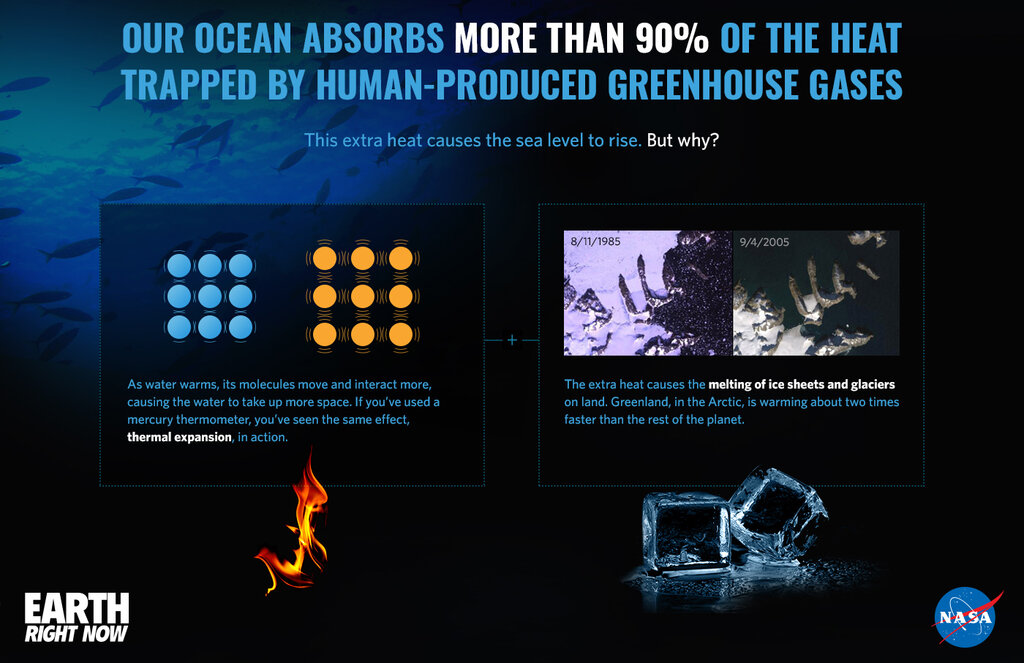
Three major factors are pushing people to move. The first is sea-level rise. As the planet warms, glaciers melt and ocean water expands, causing sea levels to creep higher. For low-lying coastal communities and island nations, this is an existential threat. It's not just about the risk of flooding during storms; rising seas can also contaminate freshwater sources with salt and erode the very land people live on.
Second, extreme weather events are becoming more frequent and intense. Hurricanes, typhoons, and floods can destroy homes and infrastructure in a matter of hours, leaving people with no choice but to relocate. Similarly, prolonged heatwaves and massive wildfires can render entire regions unsafe or uninhabitable.
A single extreme weather event can displace more people in a day than a conflict does in a year.
Finally, there's resource scarcity, which is often a result of long-term environmental shifts. Water is a key example. When rainfall patterns change and droughts become the new normal, farming and raising livestock become nearly impossible. This process, known as desertification, slowly turns fertile land into dust, forcing people who depend on the land for their livelihood to seek survival elsewhere.
Hotspots of Displacement
While climate change is a global problem, its effects on migration are felt most acutely in certain regions. These are often places with a high dependence on agriculture and limited resources to adapt to environmental changes.
Some examples include:
- The Sahel in Africa: This vast region just south of the Sahara is experiencing rapid desertification, putting immense pressure on farmers and pastoralists.
- Southeast Asia: Low-lying, densely populated delta regions in countries like Bangladesh and Vietnam are extremely vulnerable to sea-level rise and increased flooding from powerful monsoons.
- Small Island Nations: Countries like Kiribati, Tuvalu, and the Maldives in the Pacific and Indian Oceans face the very real possibility of being completely submerged by the end of the century.
- Central America: A region known as the "Dry Corridor" has been hit by years of recurring drought and unpredictable rainfall, leading to crop failure and food insecurity, driving migration north.
Understanding these drivers and hotspots is the first step in grasping the scale of climate migration. It's a complex, growing issue that connects environmental science with human stories of resilience and survival.
What is the defining characteristic of climate migration?
The gradual process where fertile land becomes arid and unproductive, forcing agricultural communities to move, is known as ______.