Climate Migration and Real Estate Forecasting
Introduction to Climate Migration
The Movement of People
People have always moved. Throughout history, we’ve migrated for opportunity, for safety, or simply for a change of scenery. But a new reason for moving is becoming more common: the environment itself is changing. This is climate migration—the relocation of people due to the effects of climate change.
It's not always a dramatic, sudden event. Sometimes it's a slow, creeping change that makes a place unlivable. Other times, it's a single catastrophic event that forces an entire community to leave. Climate migration can be temporary or permanent, and it can happen within a country's borders or across them.
Unlike other forms of migration, climate migration is driven by changes to the physical world—making it a unique challenge for communities and governments.
What Pushes People to Move
Three main environmental pressures are driving most climate migration today. They can act alone or in combination, making life increasingly difficult in certain parts of the world.
Extreme Weather Events Hurricanes, wildfires, and floods are becoming more frequent and intense. These events can destroy homes, businesses, and infrastructure in a matter of hours. For many, rebuilding isn't an option, and moving becomes the only choice for survival and stability. A single storm can displace thousands of people overnight.
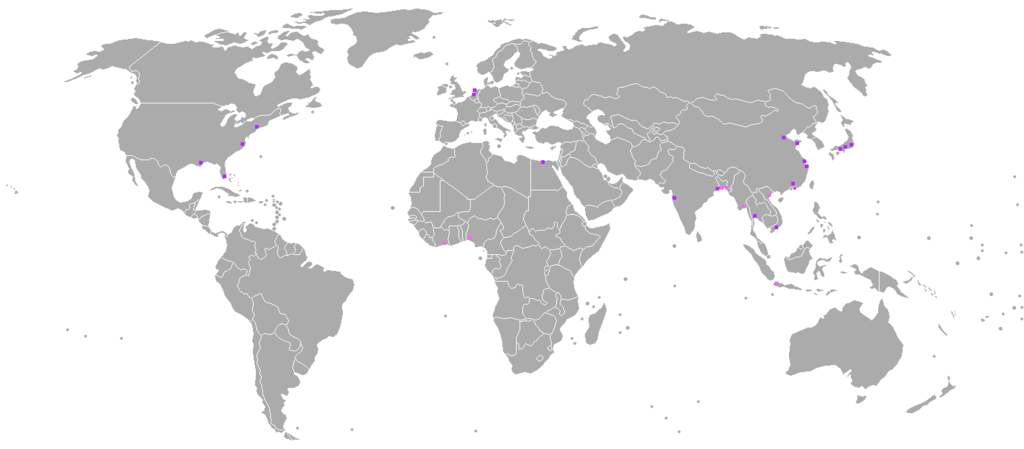
Sea-Level Rise For coastal communities, the threat is slower but just as serious. As global temperatures rise, ice sheets melt and oceans expand, causing sea levels to creep higher. This leads to chronic flooding, saltwater contaminating freshwater supplies, and the gradual erosion of land. Over time, entire neighborhoods and even island nations face the prospect of being submerged.
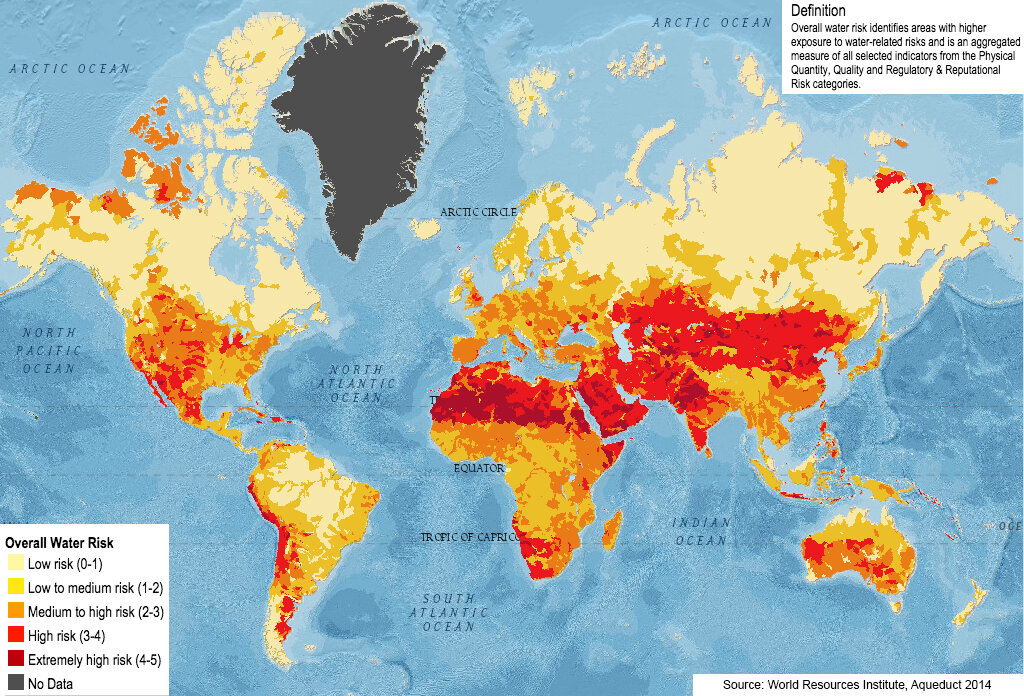
Resource Scarcity Climate change also disrupts access to fundamental resources like water and food. Prolonged droughts can turn fertile farmland into dust, a process called desertification. When farmers can no longer grow crops and ranchers can no longer raise livestock, they lose their livelihoods. This scarcity forces people to move in search of water, food security, and economic opportunity.
The Ripple Effects of Relocation
When large groups of people move, it creates profound changes for both the places they leave and the places they go.
The communities left behind often face a downward spiral. A shrinking population means a smaller workforce and fewer taxpayers. This can lead to neglected infrastructure, closed schools, and a general decline in the local economy. The people who remain, often the elderly or those without the resources to move, are left to cope with a deteriorating environment and dwindling community support.
Destination regions, meanwhile, face their own set of challenges. A sudden influx of people can strain public services like housing, healthcare, and education. Competition for jobs can increase, potentially creating social tension. While migrants can also bring new skills and economic growth, unprepared cities can struggle to adapt.
Increasingly, worsening climate effects, including heat waves, wildfires, floods, droughts, and sea level rise, are leading a growing number of Americans to have second thoughts about where they are living and to decide to move to places that are perceived to be less exposed to these impacts, according to anecdotal reports and a growing volume of academic research.
There are also environmental consequences. The growth of destination cities can lead to urban sprawl, which consumes natural habitats and farmland. Increased demand for water, energy, and other resources can put a strain on the local environment, creating new vulnerabilities.
Which of the following best defines climate migration?
All of the following are major environmental pressures driving climate migration EXCEPT:
Understanding these drivers and impacts is the first step in recognizing how climate change is reshaping not just our physical world, but our communities as well.