Climate Migration and Real Estate Forecasting
Climate Migration Basics
When Home Is Unlivable
For thousands of years, humans have moved. We've migrated for opportunity, for safety, or simply for a change of scenery. But a new force is redrawing the map of where people live: the Earth's changing climate. This isn't about seeking a better job or a different culture. It's about escaping places that are becoming fundamentally uninhabitable.
Climate Migration
noun
The movement of people, either within their own country or across international borders, due to the adverse effects of climate change.
This movement can be a sudden flight from a hurricane or a slow, reluctant departure from a farm that no longer gets enough rain. It's a complex human story unfolding on a global scale.
Increasingly, worsening climate effects, including heat waves, wildfires, floods, droughts, and sea level rise, are leading a growing number of Americans to have second thoughts about where they are living and to decide to move to places that are perceived to be less exposed to these impacts, according to anecdotal reports and a growing volume of academic research.
The Forces Pushing People Out
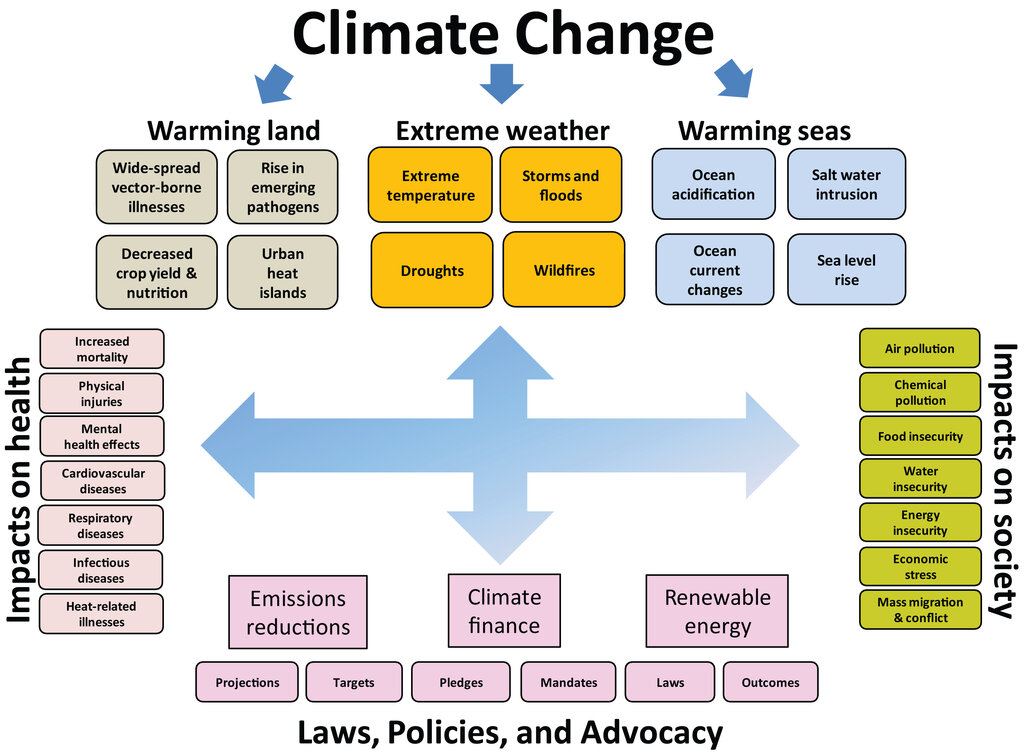
What makes a place unlivable? The drivers of climate migration usually fall into a few key categories. They can be sudden and violent, or they can be gradual pressures that build over years.
Rising Sea Levels: For coastal communities and island nations, this is a slow-motion crisis. As oceans warm and expand and ice sheets melt, shorelines creep inward. Saltwater contaminates fresh water supplies and farmland, making life increasingly difficult long before homes are actually underwater.
Extreme Weather Events: Hurricanes, floods, and wildfires are becoming more frequent and intense. A single catastrophic event can destroy homes, infrastructure, and livelihoods in a matter of hours, forcing entire communities to evacuate and often leaving them with nothing to return to.
Prolonged Droughts and Scarcity: In other regions, the problem isn't too much water, but too little. Long-term droughts wither crops, kill livestock, and dry up drinking water sources. For agricultural communities, this means the loss of both food and income, making it impossible to stay.
Moving Across the Street or Across the World
When people are forced to move, they don't always go far. The vast majority of climate migration happens within a country's own borders. This is known as internal displacement.
Someone might move from a flood-prone coastal town to a city further inland, or a farmer might relocate from a parched rural area to a nearby town in search of work. This is the most common face of climate migration.
Cross-border migration due to climate change is less common, partly because international law doesn't formally recognize "climate refugees." People who cross borders often do so when a climate disaster intersects with other problems like political instability or conflict. But the distinction is crucial: most climate migrants remain within their home country, shifting population dynamics on a national level.
Climate migration will largely look like people moving from one neighborhood to another, across town, to the next county over, to a nearby city.
Who Is Most Affected?
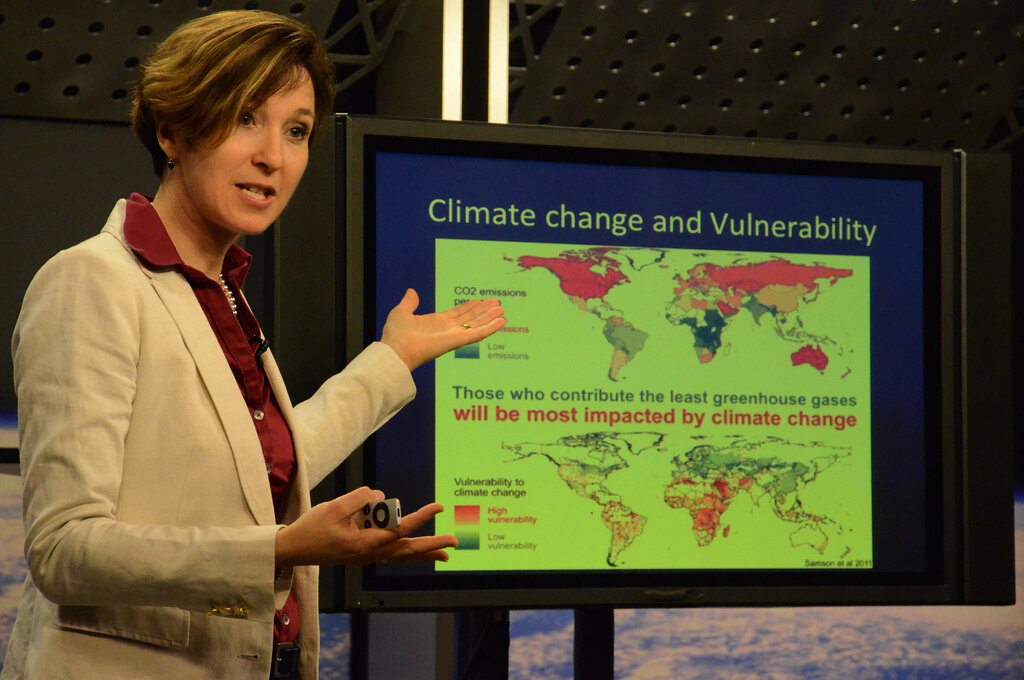
Climate change doesn't affect everyone equally. The people most likely to be displaced are often those who have contributed the least to the problem. Vulnerability is a key factor. A fishing community in a developing nation that depends on a coral reef for its livelihood is far more exposed than an office worker in a temperate city.
Typically, climate migrants are from communities that rely heavily on agriculture, fishing, or other natural resources. They often have limited financial resources, making it harder to adapt to changing conditions or to move with ease. Regions with high levels of poverty and weak governance are particularly susceptible, as they lack the infrastructure and social safety nets to withstand climate shocks.
The most affected regions are often in the Global South. This includes low-lying island nations in the Pacific, coastal areas in South and Southeast Asia, and arid regions in sub-Saharan Africa and the Middle East. However, developed countries aren't immune. The wildfire-prone American West and hurricane-battered Gulf Coast are also becoming hotspots of climate-driven movement.
Which of the following is considered a primary driver of climate migration?
A subsistence farming community in a drought-prone region is highly vulnerable to climate displacement primarily because...
Climate migration is a growing reality that is already reshaping communities around the world. Understanding its basic causes and patterns is the first step in addressing one of the most significant human challenges of our time.