Climate Migration and Real Estate Forecasting
Climate Migration Basics
When Home Moves Away From You
For as long as humans have existed, we've moved. We've migrated across continents, crossed oceans, and settled new lands. Historically, these moves were often driven by the search for food, resources, or opportunity. Today, a new driver is reshaping human movement: climate change.
Climate migration is the movement of people because of changes in their natural environment linked to our warming planet. It’s not about seeking a better job or a different culture. It's about finding a place to live that is safe and sustainable, when your original home is no longer either.
Essentially, climate migration happens when environmental changes force people to relocate, either temporarily or permanently.
This movement can happen on different scales. It might be a family moving to a neighboring town after a wildfire, or it could be a whole community relocating inland as the coastline disappears. It's a global phenomenon, affecting people from coastal villages in Bangladesh to farming communities in sub-Saharan Africa.
Pushed by the Planet
What specific environmental changes push people to move? The drivers of climate migration can be sorted into two main categories: rapid disasters and slow, creeping changes.
Rapid-onset events are sudden and catastrophic. Think of hurricanes, massive floods, or uncontrollable wildfires. These events can destroy homes and infrastructure in a matter of hours or days, leaving people with no choice but to flee immediately. This displacement is often abrupt and traumatic.
Slow-onset events are more gradual but just as powerful. They unfold over years or even decades, slowly making an area uninhabitable. Examples include:
- Sea-level rise: Coastal communities face constant flooding and erosion, which contaminates fresh water and destroys property.
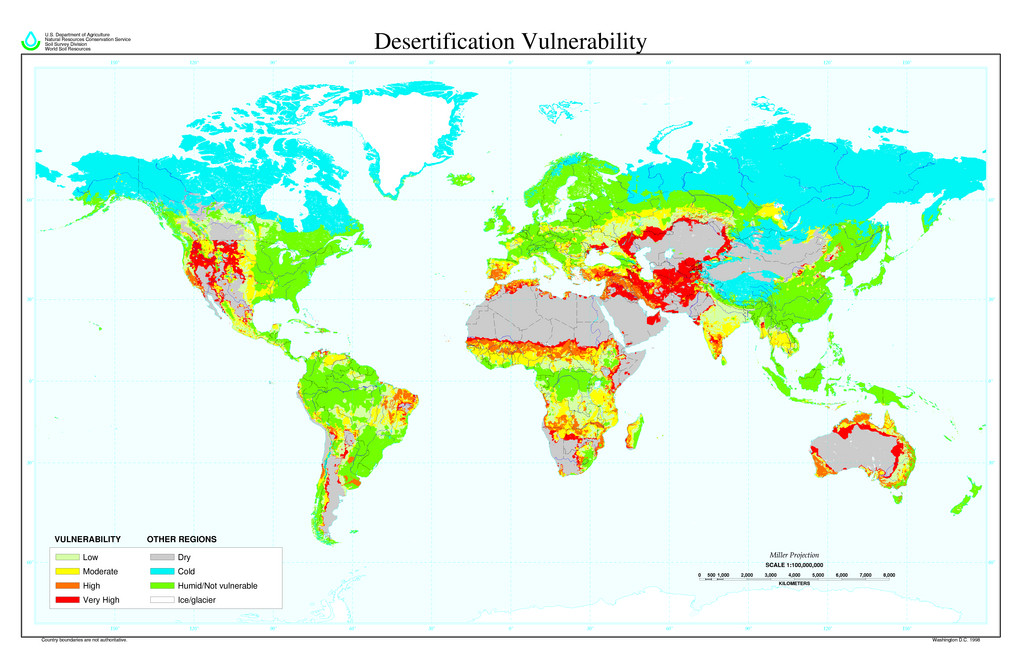
- Drought and desertification: Persistent lack of rain turns fertile farmland into dust, making agriculture impossible and threatening food security.
- Extreme heat: Rising average temperatures can lead to deadly heatwaves and make daily life and outdoor work unbearable.
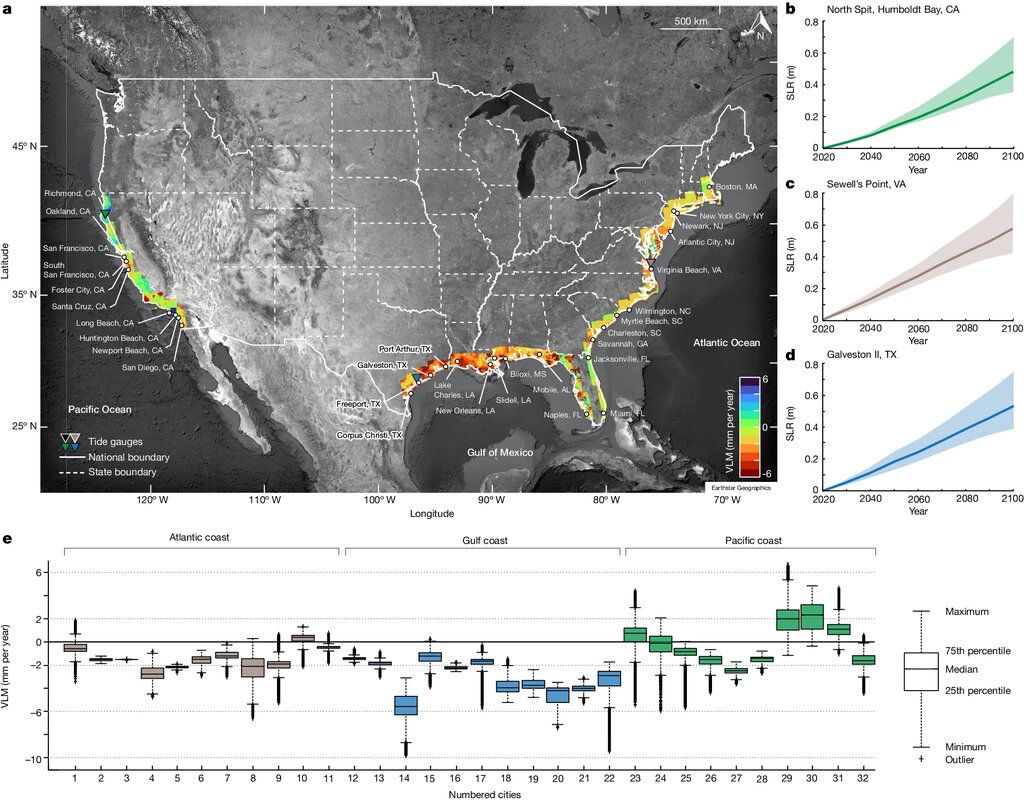
These slow changes create immense pressure, eventually forcing people to seek more stable environments to live and work.
A Choice or a Command
When people move due to climate change, is it their choice? The answer helps us distinguish between two types of climate migration: voluntary and forced.
Forced Migration
other
Movement in which people have no choice but to leave, often due to a sudden threat to their survival.
Forced migration is what happens after a rapid-onset disaster. When a flood washes away your home, leaving is not a decision—it's a necessity. There is no option to stay. People in these situations are often called climate refugees or, more accurately, internally displaced persons, as most climate migration occurs within a country's borders.
Voluntary Migration
other
Movement that involves a choice, even if that choice is heavily influenced by deteriorating environmental conditions.
Voluntary migration is more often associated with slow-onset changes. A farmer might notice crop yields decreasing year after year due to drought. A coastal resident might see the high-tide mark creeping closer to their house. They might decide to move before the situation becomes a full-blown crisis. They have a degree of agency in the timing and destination of their move, but the decision is still made under the heavy pressure of environmental decline.
Climate migration will largely look like people moving from one neighborhood to another, across town, to the next county over, to a nearby city.
The line between voluntary and forced can be blurry. A decision to move may feel like a choice, but it's a choice prompted by conditions that are making life increasingly difficult. Understanding this distinction is key to grasping the human experience at the heart of climate migration.
Now, let's test your understanding of these core concepts.
What is the primary factor that defines climate migration?
Which of the following is an example of a “slow-onset” event that can lead to climate migration?
As our planet continues to change, so too will the patterns of where and how we live. Climate migration is not a future problem—it's already underway, reshaping communities around the globe.