Climate Change Basics
Climate System Basics
The Five Spheres
Earth's climate isn't just about the air around us. It's a complex, interconnected system made of five major parts, often called spheres. Think of them as giant, interacting components of a single planetary machine. They are the atmosphere (air), the hydrosphere (water), the cryosphere (ice), the lithosphere (land), and the biosphere (life).
The atmosphere is the blanket of gas surrounding the Earth. It’s mostly nitrogen and oxygen, but trace gases have a huge effect on climate. This is where weather happens.
The hydrosphere includes all of Earth’s water: oceans, lakes, rivers, groundwater, and even the water vapor in the air. The oceans are the biggest player here, storing and moving massive amounts of heat around the globe.
The cryosphere is all the frozen water, like glaciers, sea ice, and permafrost. These bright, icy surfaces are great at reflecting sunlight back into space, which helps keep the planet cool.
The lithosphere is the Earth's solid outer layer, including the crust and upper mantle. It influences climate through things like volcanic eruptions, which spew gases and ash into the atmosphere, and the slow drift of continents, which changes ocean currents over millions of years.
Finally, the biosphere is all living things, from microbes in the soil to forests and marine life. Plants absorb carbon dioxide, and all organisms influence the chemical composition of the atmosphere and oceans.
No single sphere acts alone. For example, the ocean (hydrosphere) exchanges heat and moisture with the air (atmosphere), while melting glaciers (cryosphere) add fresh water to the ocean.
The Planet's Energy Budget
Earth’s climate is powered by the sun. The planet is constantly receiving energy in the form of solar radiation. To maintain a stable temperature, it needs to get rid of that same amount of energy. This relationship is called the energy balance.
The Earth's climate system constantly tries to maintain a balance between the energy that reaches the Earth from the Sun and the energy that is emitted to space.
About 30% of incoming sunlight is immediately reflected back to space by clouds and bright surfaces like ice and snow. The remaining 70% is absorbed by the land, ocean, and atmosphere, which warms them up. In return, the warmed Earth radiates energy back out, but as heat (infrared radiation).
This is where our atmosphere plays a crucial role. Certain gases, known as greenhouse gases, don't let this outgoing heat escape directly to space. They absorb it and then re-radiate it in all directions, including back down toward the Earth's surface.
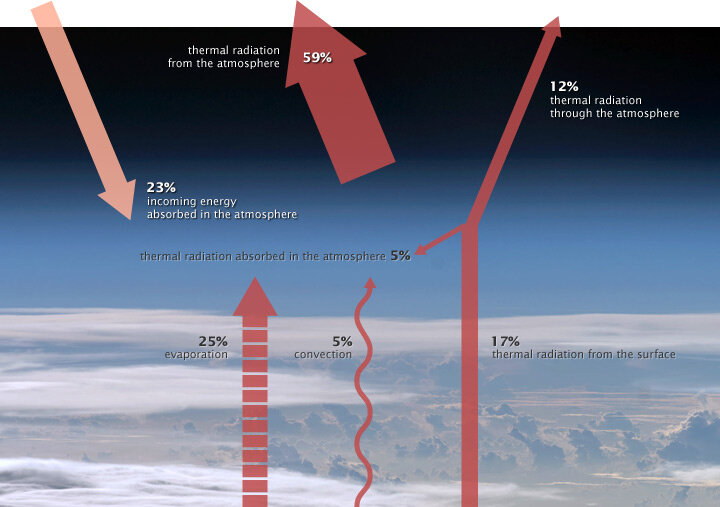
This process is called the greenhouse effect. It’s a natural and essential phenomenon. Without it, the average temperature on Earth would be a frigid -18°C (0°F), and life as we know it wouldn't exist. Greenhouse gases like water vapor, carbon dioxide (), and methane () act like a natural thermal blanket, keeping the planet warm enough to be habitable.
Natural Climate Drivers
Earth's climate isn't static; it has always changed naturally. Several powerful forces can nudge the planet's energy balance, causing periods of warming or cooling.
Solar Radiation: The sun's energy output isn't perfectly constant. It varies slightly in cycles, like the well-known 11-year sunspot cycle. While these changes can influence climate, their effect is relatively small compared to other factors over the long term.
Volcanic Activity: Large volcanic eruptions can have a temporary cooling effect. They inject massive amounts of sulfur dioxide () into the stratosphere. This gas forms tiny droplets called aerosols that reflect sunlight back to space, cooling the planet for a year or two.
Ocean Currents: The ocean acts like a massive conveyor belt, moving warm water from the equator toward the poles and cold water back again. This system, known as thermohaline circulation, has a huge impact on regional and global climates. Changes in these currents can lead to significant climate shifts that last for decades or even centuries.
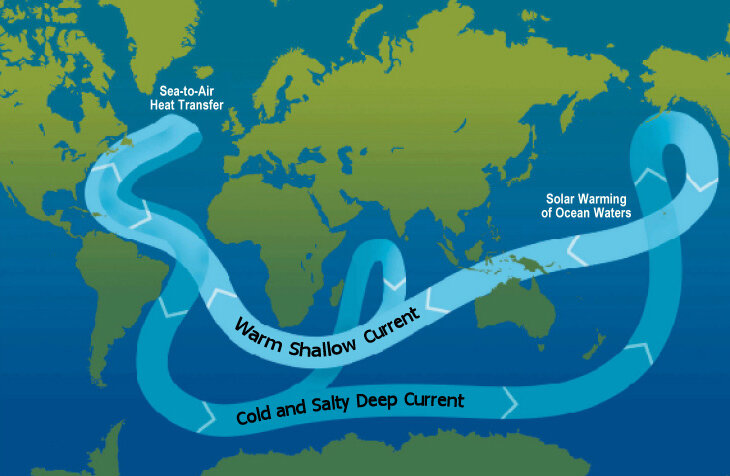
These components and natural drivers all work together, constantly interacting in a delicate balance. Understanding this system is the first step to understanding how and why our climate changes.
Ready to check your understanding of these core concepts?
Which of Earth's major systems includes all living organisms, from tiny microbes to vast forests?
What is the primary role of the cryosphere in regulating Earth's temperature?
By understanding these fundamental pieces of the climate puzzle, we can better grasp the bigger picture of how our planet's systems work.