ClickHouse Kafka Engine Explained
Introduction to ClickHouse and Kafka
Handling Data in Motion
In the world of modern applications, data isn't just sitting still in a database. It's constantly flowing. Think about tracking a package, seeing live sports scores, or monitoring website traffic. This information is generated every second, creating a continuous stream of events. Handling this flood of data requires a special kind of tool.
The challenge is not just to collect this data, but to make sense of it the moment it arrives. Decisions need to be made fast, whether it's rerouting a delivery truck or spotting a problem on a server.
This is where real-time data processing comes in. It's about building systems that can ingest, process, and analyze data as it's created. Two key technologies make this possible: Apache Kafka and ClickHouse. They work together as a powerful duo, one for moving the data and the other for analyzing it instantly.
Apache Kafka: The Data Superhighway
Imagine a massive, incredibly efficient postal service built just for data. That's a good way to think about Apache Kafka. It's not a database where you store information for a long time. Instead, it's a distributed platform designed to move huge volumes of messages from where they're created (producers) to where they're needed (consumers).
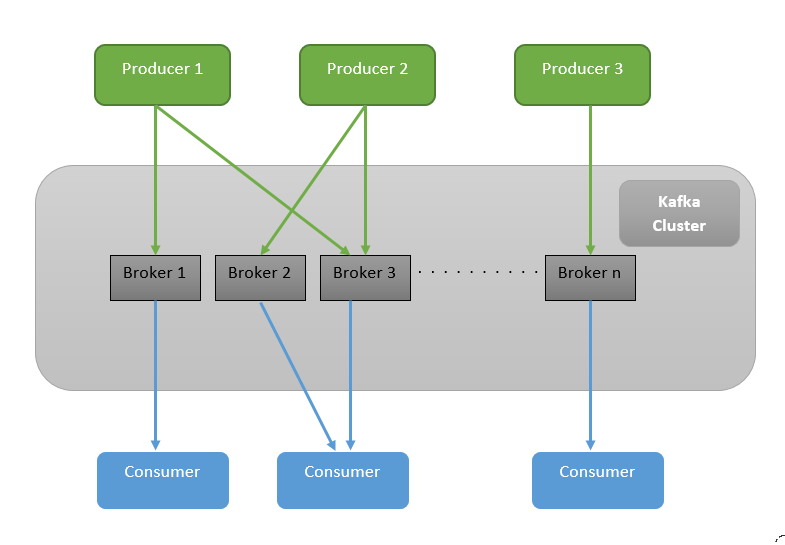
Producers can be anything that generates data: a web server logging clicks, a sensor in a factory, or a mobile app recording user actions. They send their messages, or events, to Kafka. These messages are organized into categories called topics.
Consumers are applications that need to react to this data. A fraud detection system might subscribe to a 'transactions' topic, while an analytics dashboard might subscribe to a 'user_logins' topic. Kafka ensures that messages are delivered reliably and in order to all interested consumers, even if there are millions of messages per second.
Kafka's core job is to decouple systems. The producer doesn't need to know anything about the consumer, and vice versa. It simply puts a message onto the data superhighway, and any authorized system can pick it up.
This makes architectures flexible and scalable. If you want to add a new system to analyze data, you just create a new consumer for the relevant topic. You don't have to change anything about the systems that produce the data.
ClickHouse: The Analytics Engine
Once Kafka delivers the stream of data, you need a place to analyze it. This is where a traditional database often struggles. Asking a complex question, like "What was the average session time for users in Germany on a mobile device last Tuesday?", could take minutes or even hours.
ClickHouse is different. It's a database built for speed, specifically for analytical queries like that one. Its secret is that it's a columnar database.
columnar
adjective
A database storage architecture that stores data by columns rather than by rows. This is highly efficient for analytical queries that aggregate data from a subset of columns.
Instead of storing all the information for a single user visit in one row (user ID, country, device, session time), ClickHouse stores all the country data together, all the device data together, and so on. When you ask for the average session time, it only needs to read the 'session_time', 'country', and 'device' columns. It can completely ignore all other data, making the query incredibly fast.
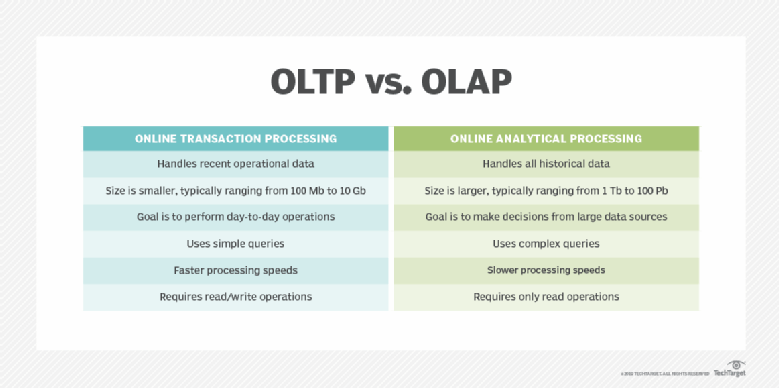
This makes ClickHouse perfect for use cases that require real-time dashboards, interactive reports, and any scenario where you need to ask complex questions of massive datasets and get answers in milliseconds.
Together, Kafka and ClickHouse form a complete real-time pipeline. Kafka acts as the high-throughput ingestion layer, reliably collecting event streams from all over. ClickHouse connects to Kafka as a consumer, instantly loading that data and making it available for powerful, split-second analysis.
What is the primary role of Apache Kafka in a real-time data pipeline?
What is the key architectural feature that makes ClickHouse extremely fast for analytical queries?